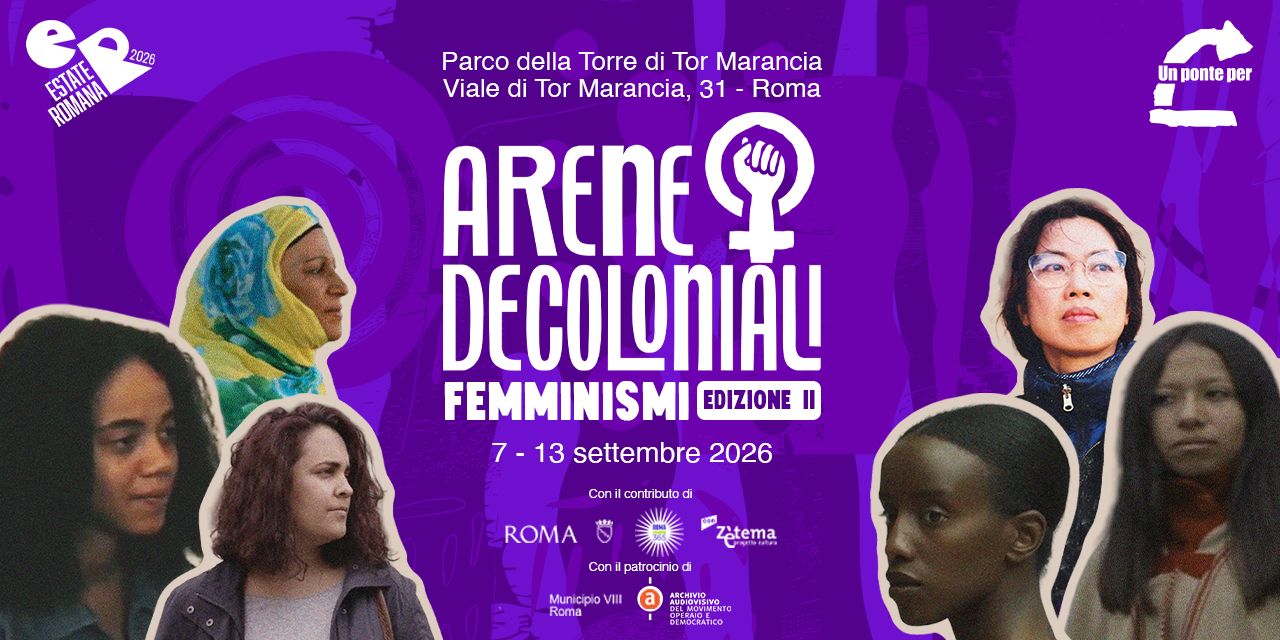
DECOLONIAL ARENAS 2026 KICKS OFF

When we founded Un Ponte Per in 1991 (it was then called Un Ponte per Baghdad), we included an unusual clause in the first set of articles of association: after ten years, the organisation was to be dissolved, unless the members explicitly decided to continue its activities. This was not a mere whim, but a political choice. We believed that a solidarity organisation should not exist merely to perpetuate itself. It should be a means, not an end. If the reasons that had justified its creation were no longer valid, it would be right to wind it up. Every ten years, that deadline forced us to question the meaning of our existence. For practical and legal reasons, that provision was subsequently removed from the constitution, but that spirit has never disappeared.
Today, thirty-five years after the founding of Un Ponte Per, that question resurfaces. Not because conflicts and inequalities have diminished, but because the world has changed profoundly. When we began working in Iraq and then in other countries of South-West Asia, independent civil society was often fragile or non-existent. Today, despite wars and authoritarian regimes, there are networks, associations, movements, feminist organisations, trade unions and youth groups equipped with expertise, project management skills and a fully independent political vision.
The question then inevitably arises: does it still make sense for a European NGO to continue making decisions on their behalf? It would be considered unusual if a Lebanese NGO were to open and run a women’s shelter in Rome. Why, then, should it be considered normal for an Italian NGO to do so in Beirut?
The National Assembly of Un Ponte Per, which met in Salerno on June 27th-28th, answered ‘no’. It unanimously approved a resolution setting in motion a process of gradually transferring decision-making power to local offices, with the aim of building, over time, their full political, organisational and economic autonomy. This is a necessarily gradual process, developed in collaboration with the organisations involved and without jeopardising either ongoing activities or the work of local staff.
The key word is power. For years, the debate on the localisation of cooperation has centred on the transfer of resources and expertise. We believe that the crucial issue is another one: who sets the priorities? Who decides how to use the resources? Who governs the organisations?
The conviction that has taken shape over recent years is a simple one. Local organisations no longer need to be led by European NGOs. They need alliances, international relations, peer-to-peer exchanges and political support.
This also means rethinking the role of Un Ponte Per: moving away from being an organisation that directly manages services in the ‘Global South’ and increasingly becoming a bridge between civil societies, capable of forging connections, promoting joint campaigns and fostering alliances for change, rather than partnerships aimed at implementing projects.
This organisational decision also stems from a broader reflection. The assembly recognised that the current system of cooperation and development aid, taken as a whole, is a mechanism that perpetuates dependecy relationships and neo-colonial control, supplanting the necessary debate on reparations and the inequalities arising from the economic system and colonial history.
This is not about denying the value of the work carried out by thousands of aid workers, including our own. It means questioning the power structures within which even the best of intentions end up operating. And it implies the imperative to get involved in the struggles to change international relations of domination and to question the possibility of using aid for decolonisation rather than control.
We will also change the vocabulary. No longer ‘donors’ and ‘beneficiaries’, but funders and recipients. The resources allocated to development cooperation are not acts of generosity: they are a compensation – albeit still insufficient – of the wealth and opportunities taken away through centuries of colonialism.
We do not yet know where this journey will take us. We do know, however, that it is worth giving it a go. And we want to discuss this with those, in the Global North and South, who are asking themselves the same questions, starting with the seminar ‘Decolonising Cooperation’ that we will be organising in Cotonou, Benin, as part of the upcoming World Social Forum.
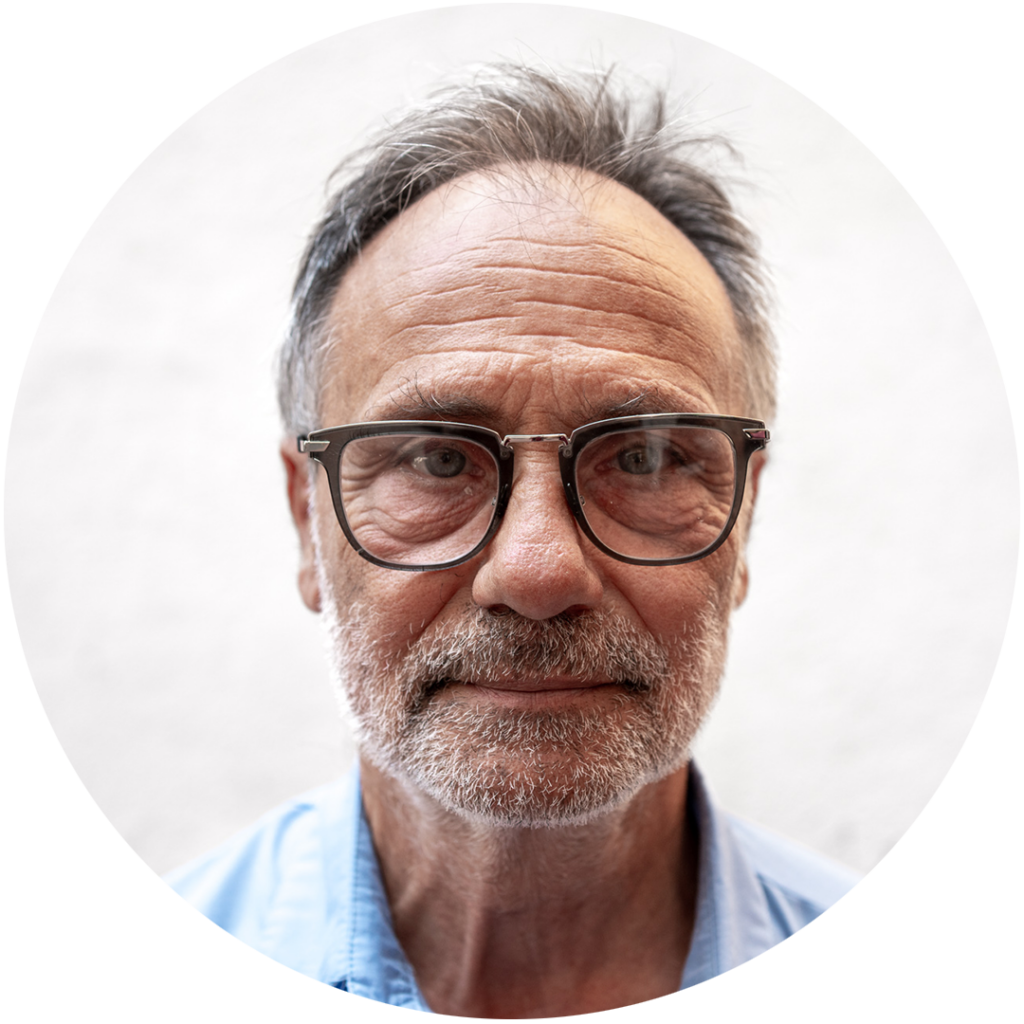
Fabio Alberti – Honorary President of Un Ponte Per
Article published on Vita.it