LEBANON. PROMOTING THE REGION, CREATING OPPORTUNITIES
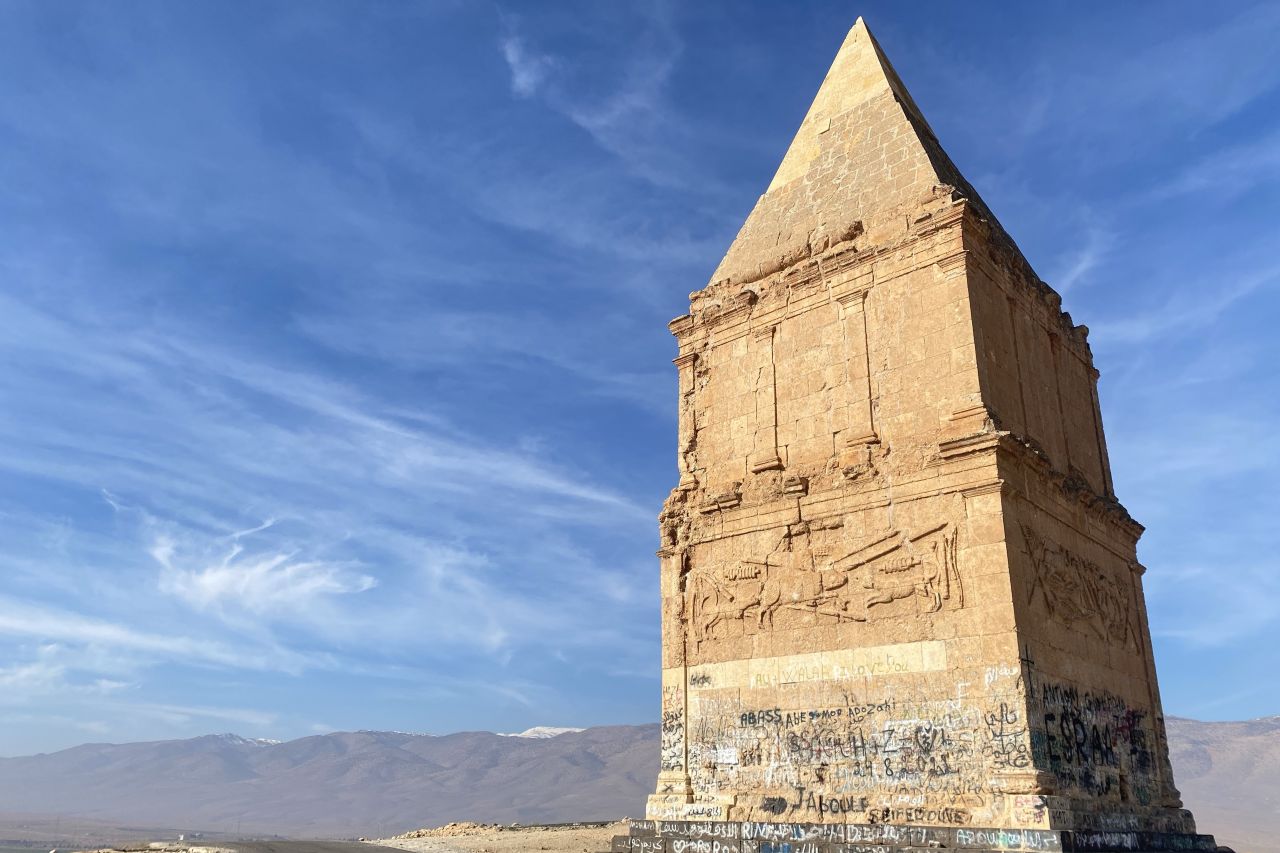
In recent years, there has been a growing focus on the need to promote more balanced and sustainable models of tourism, capable of fostering a more harmonious distribution of visitor flows and opportunities between the best-known destinations and areas less frequented by traditional tourist circuits. From this perspective, tourism can contribute to the promotion of local distinctiveness, reconciling the appeal of destinations with development that takes into account the characteristics and needs of the areas and the communities that live there.
Tourism can, in particular, represent a significant opportunity for the most remote areas, helping to create economic and employment opportunities, promote local resources and strengthen communities’ livelihoods. In contexts characterised by limited employment opportunities, sustainable tourism that is deeply rooted in the local area can also promote the economic and social vitality of the areas concerned, creating conditions that make it more likely for people to remain in their home regions.
BEYOND THE CITADEL: THE POTENTIAL OF BAALBEK-HERMEL
This is the case of the Bekaa Valley in Lebanon, a flat, predominantly agricultural region, bordered to the west by the Mount Lebanon range and to the east by the Anti-Lebanon Mountains, which form the border with Syria. It is an area which, to date, is suffering from a severe socio-economic crisis resulting from years of turmoil, the ongoing deterioration of the security situation and increasing pressure on natural resources.
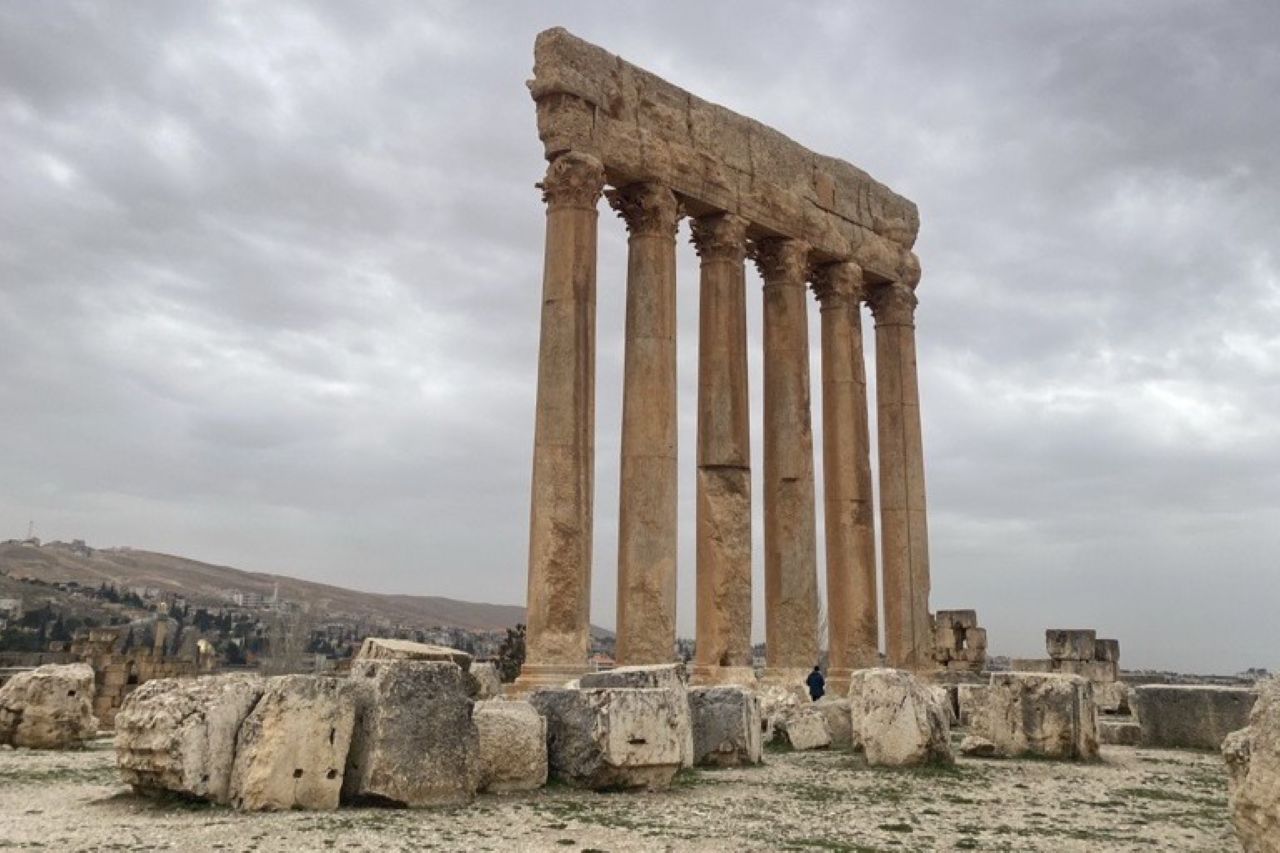
In terms of tourism, the region’s main attraction is the Roman Citadel of Baalbek, which is known throughout the world and attracts hundreds of thousands of visitors each year. In recent years, however, the tourism sector has suffered a significant decline following the Israeli bombings of 2024 and 2026, interspersed with a period of low-intensity conflict. Furthermore, tourism in the area remains largely confined to visits to the archaeological complex: in most cases, visitors stay in Baalbek for just one day, without staying overnight and without making significant stops at restaurants, shops or other local services. This dynamic limits the economic impact of tourism on the local socio-economic fabric and reduces development opportunities for local businesses.
This trend becomes even more apparent if one broadens one’s perspective from the city of Baalbek to the entire Baalbek-Hermel Governorate, which extends as far as the northern border with Syria, marked by the Orontes (Assi) River, and boasts a rich and diverse range of tourist attractions.
It is precisely in this area that we have devised and are implementing the Madafeh project – Integrated sustainable tourism, local development and job creation in Baalbek-Hermel, funded by Italy through the Italian Agency for Development Cooperation (AICS), and implemented in collaboration with ARCS, AITR and the Chamber of Commerce, Industry and Agriculture of Zahle and the Bekaa. The initiative aims to support the local economy through the tourism sector, via a multi-faceted approach centred on three main pillars: support for small businesses, support and training for the unemployed, and the promotion of the area’s tourism potential.
LISTENING TO THE LOCAL COMMUNITY AND DEVELOPING A SHARED STRATEGY
It was with a view to promoting the richness and diversity of this area that, during 2026, two visits were organised by the Italian partner AITR, accompanied by UPP and ARCS. During the two missions, which took place in February and October respectively, the team travelled to the Baalbek-Hermel area to explore its tourism potential alongside local communities. The visits provided an opportunity to discover places and resources that are often under-promoted: lesser-known archaeological and historical sites, such as the old railway station in Baalbek, which is no longer in use, the cuneiform inscriptions in the vicinity of Hermel, and various buildings of historical interest.
Alongside exploring the area, particular importance was attached to meeting the people who live there and bring it to life on a daily basis: local authorities, mayors, restaurant owners, religious figures, rafting operators, small family-run businesses producing preserves and other local specialities, as well as guesthouse owners and managers. These people shared their stories, experiences and perspectives, helping to paint a picture of the area’s resources, challenges and prospects.
The focus of the visits was the creation of a participatory map – that is, a process of identifying and classifying the area’s tourism potential, accompanied by a discussion of possible ways to develop it.
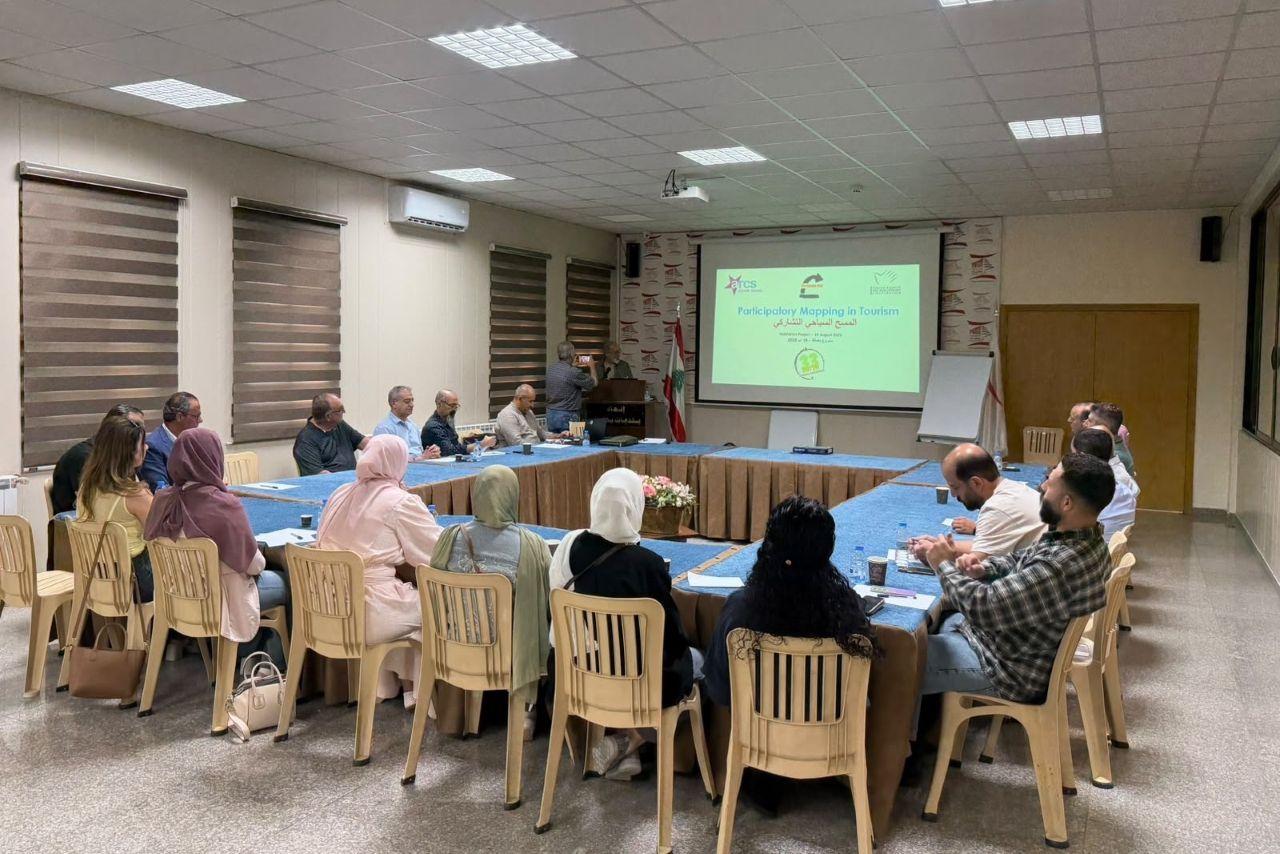
An itinerary designed from the perspective of the people who experience these areas on a daily basis, and developed through questions such as: “Which sites or areas are important to the local community? Which areas, on the other hand, would be of interest to an international tourist? What would encourage them to stay longer in the region? Are there any religious or cultural figures, or craftspeople, who would be willing to tell potential tourist groups about this area?”
The October visit also provided an opportunity to initiate a process of discussion and exchange with staff from the Municipal Unions of Baalbek and Hermel. The dialogue focused on the different types of tourism, the importance of managing it at a local level, and possible strategies to foster collaboration between public and private sector stakeholders. Indeed, without communication and coordination between local authorities and business owners – whether large or small – it is difficult to envisage managing the entire area and distributing opportunities in a broad and inclusive manner. Building a local network and a shared vision is therefore essential if tourism is to become a resource for local communities.
FROM MAPPING TO NEW OPPORTUNITIES: THE NEXT STEPS
Over the coming months, we will therefore be working on organising the information we have gathered and on developing two complementary tools. On the one hand, a digital map for tourists and a website dedicated to promoting the area; on the other, a resource for accommodation providers, guides and tour operators, which will bring together information on how to visit and access the various sites, along with the contact details of people willing to welcome visitors and guide them as they discover this area, which is rich in resources but still marginalised. The aim is to promote a tourist experience that stems directly from the people who live there, their knowledge and the communities that help keep the area alive every day.
At the same time, work will continue with the local authorities with a view to facilitating and promoting collaboration between the public and private sectors and, together with local stakeholders, identifying the steps needed to develop a tourism management model for the Baalbek-Hermel area.
Even in a context characterised by instability and uncertainty, it is important to continue looking to the future; therefore, turning this phase into an opportunity for reflection and planning can be a first step towards creating new opportunities for development for local communities.
Veronica Bonelli - Assistant Project Manager -Un Ponte Per