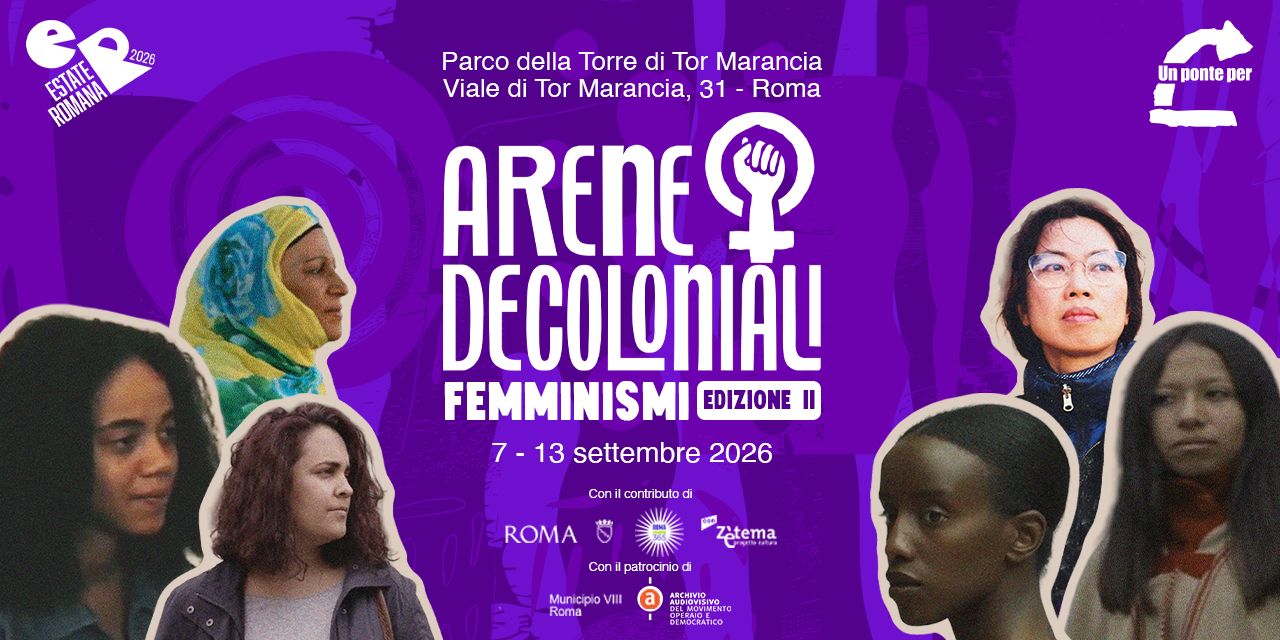
DECOLONIAL ARENAS 2026 KICKS OFF

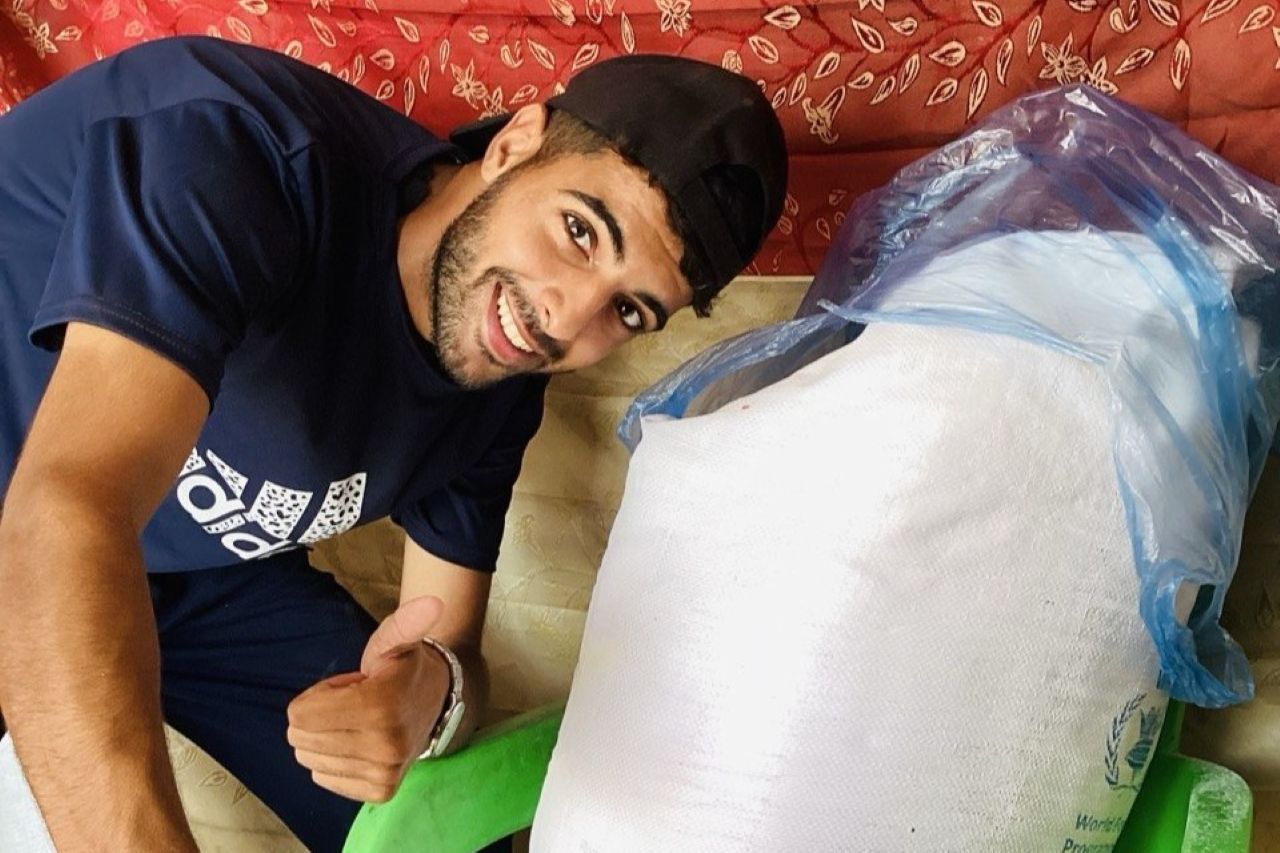
Hassan Herzallah is a translator, writer and storyteller from Gaza. He collaborates with several international newspapers. For the "Water for Gaza" campaign, he chose to share with Un Ponte Per his direct testimony, documenting his life under siege and displacement. He is in his third year of studies in English translation at the Islamic University of Gaza and continued his education online after the university was bombed.
Gaza, 24 November 2025
I was eager to dive into the sea with my fisherman friends, the same people I had come to know during the harshest days of famine. Suddenly, a large boat approached quickly, and before I could even comprehend what was happening, gunfire erupted. Israeli naval boats. Water surrounded me on all sides, and my heart pounded wildly, as if every second could be my last. I couldn’t move, and all I could think about was staying alive, trapped in the immediate danger of death or capture at any moment.
After the ceasefire was declared in Gaza on October 9, the genocide had officially stopped on paper, but the daily struggles continued, and securing even the most basic necessities of life remained an ongoing challenge.
It was six in the morning, and the weather was as unpredictable as ever these days.
I left our tent in the camp, heading out with my friend Abood to buy a bag of bread. My mother was ill, and I didn’t want to tire her out by having her knead the dough so early in the morning. I wanted to call Abood to let him know I was waiting, but his phone was dead, and there was no electricity at this early hour anyway. So, I went straight to his tent, and as soon as I called his name, he came out, smiling wearily:
“Is there any sleep left in this camp? I’ve been awake since dawn.”
We walked together to the place where bread was sold, and when we arrived, we were shocked to see a long line of people. Abood turned to me and said,
“The war is over… but when will these queues end?”
We waited until nine o’clock. When there were only about fifteen people left ahead of us, the baker called out,
“The bread is finished, everyone!”
It was a small morning defeat, but a bitter one. We returned to the tents empty-handed.
My little sister Malak and I kneaded the dough ourselves, and then I went to bake it. It was around half past ten, the usual time when water trucks pass by. I heard its horn in the distance, but I couldn’t go -the distance was too far while I was at the bakery. When I returned to the tent, I found that my brother Mohammad had already filled the water gallons.
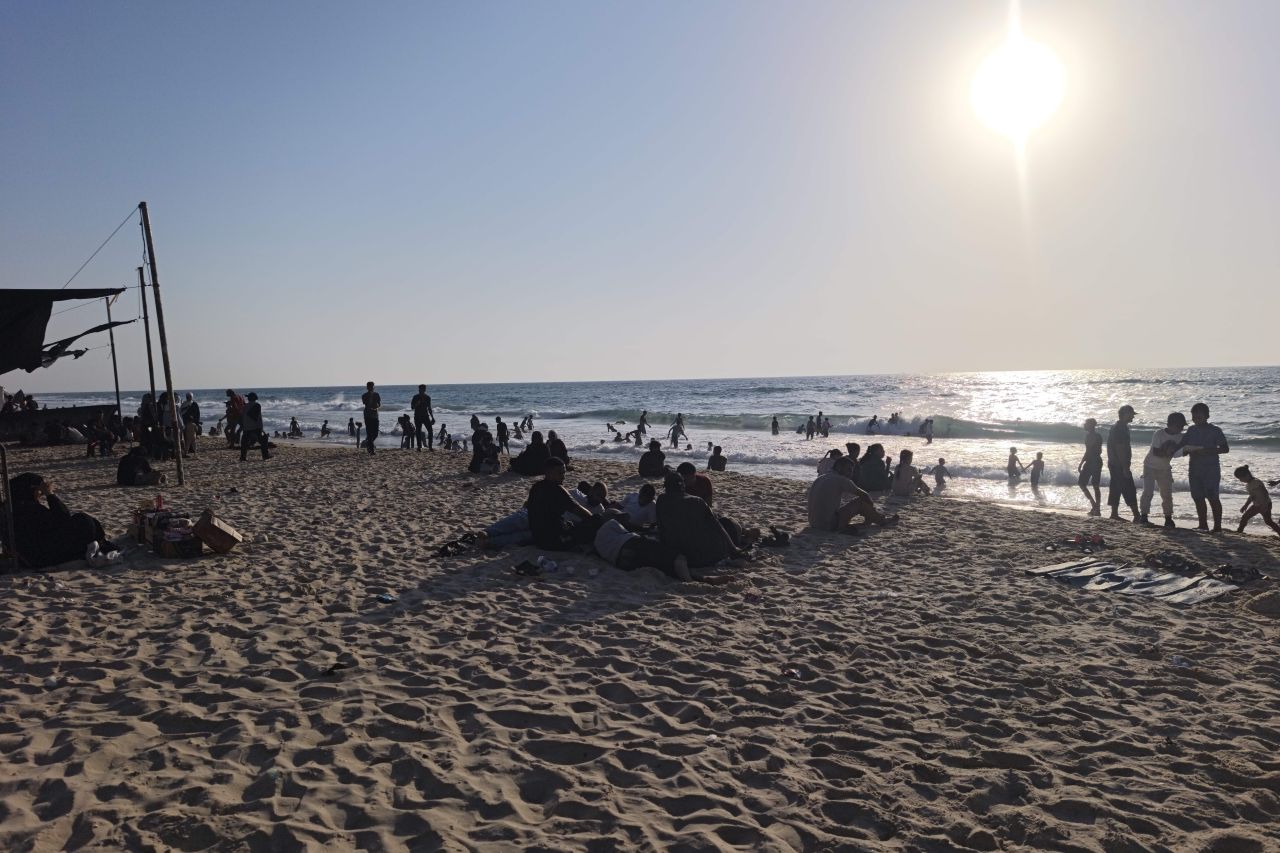
After that long morning, I felt the need to catch my breath, so I went to the sea - the only place where I truly felt I could breathe. That moment on the shore reminded me of my relationship with the sea before the war, when I used to go there every Thursday with my friends, staying until sunset before returning to our warm homes. I never imagined that the place where I spent my happiest times would later become my last refuge.
After we were displaced from Rafah, we found ourselves living on the beach in a thin fabric tent, offering no protection from the cold or the wind. From that day on, our lives took on a new form unlike anything I had ever known. Even the simplest tasks became daily battles: charging our phones at crowded stations, running after water trucks every morning, and lighting firewood after the gas ran out - a task that could take an entire day just to prepare the simplest meal… if food was even available.
Amid all this weight, the sea remained the only place where I truly felt I could breathe. After every long day chasing the essentials for survival, I would carry a cup of hot mint tea - which took a full hour to prepare - and sit on the sand, watching the waves, as if stealing a small moment of respite from time itself.
By mid-July 2025, my relationship with the sea had completely changed. It was no longer just a temporary escape; it had become my only way to secure food for my starved family. I searched for flour in the markets, sometimes barely finding a single kilogram, and often returned empty-handed, risking my life to reach dangerous places.
I remember the day I went to the U.S. aid trap points, where I ate nothing but a small bowl of soup. The sun was harsh, bullets whizzed overhead, and I lost the ability to run until I lost my balance and everything went dark. When I opened my eyes, the people had returned from the distribution point, and my legs carried me alone toward the sea - the only refuge left for me to breathe.
From that day on, I began helping the fishermen every morning, taking a portion of what we caught for my family. I spent longer hours with them, risking the waters despite the merciless gunfire. One of them was a university student, his entire family in Egypt, dreaming of hugging his father after the ceasefire. The other two were waiting for the crossings to open to take their sick relatives for treatment. We were all there for the same reason: to keep our families alive.
As the days passed, news of the ceasefire on October 9 reached us. For me, it was not just a political announcement; it was a small window toward a postponed dream: continuing my studies in a proper environment. Even though I had studied online for a full year, my passion for the university life I had dreamed of since school remained alive.
Several weeks after the ceasefire was announced, I went to the sea to meet my fisherman friends after a period of separation due to the scarcity of food in the markets. I was eager to dive with them again for the first time since the ceasefire. Suddenly, a large boat approached, and before we could understand what was happening, gunfire erupted. They were Israeli naval boats.
At that moment, surrounded by water and with my heart racing, we realized the immediate danger. We all dived underwater, each of us on our own, trying to escape the bullets and gunfire. After long minutes swimming beneath the surface, we miraculously reached the shore safely, exhausted but alive. I felt then that our daily lives were no longer secure, and that even after the ceasefire, our existence remained fraught with danger.
Even after the ceasefire was declared in Gaza, daily suffering continues unabated. Securing the most basic necessities of life remains an ongoing struggle: there is no stable electricity, water is not consistently available, and our lives depend on queuing for even the simplest items. The crossings remain closed to students and patients, and as winter approaches, our tattered tents grow cold and damp. Life in Gaza continues to be a struggle, with daily survival - finding bread, water, and electricity - never guaranteed.
Amid all this, I’ve been accepted to universities in the UK and Finland, though travel and funding remain uncertain. I still hope to one day study at the University of Trento in Italy, holding onto the possibility that my education abroad can finally become a reality.

Hassan Herzallah - Correspondent from Gaza