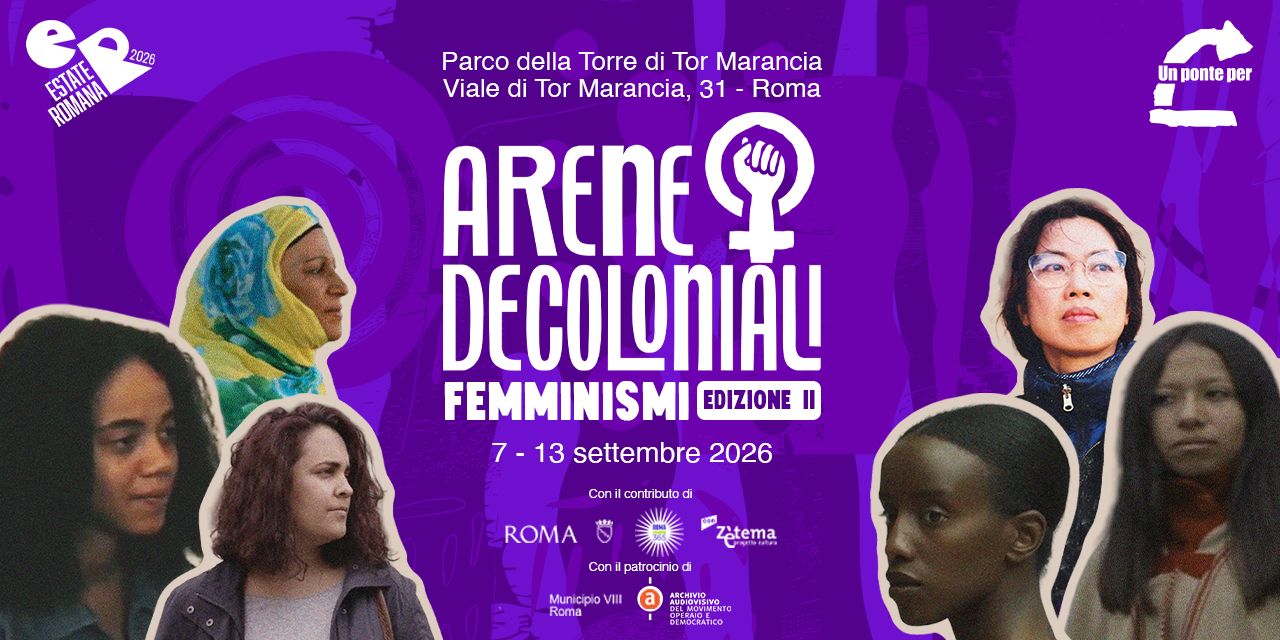
DECOLONIAL ARENAS 2026 KICKS OFF


After empowering 518 local NGOs in Iraq, UPP draws the curtain on the “Tatweer 2” project.
Media Department of the UPP – Iraq
On Wednesday, May 28, 2025, in Baghdad, UPP concluded its “Tatweer 2” project in the presence of representatives of civil society from across Iraq’s governorates, delegations from the Iraqi government and the NGO Department of the Ministry of Labor and Social Affairs, the Department of Relations with Civil Society NGOs at the Integrity Commission, the Chair of the Organizations Committee in Basra, and a delegation from the European Union Delegation to Iraq.
The closing ceremony began with a welcome address to the attendees and the playing of the national anthem. The official speeches then commenced: Mr. Raid Mikhael Shabah, Country Director of UPP in Iraq, delivered the opening remarks, highlighting the role of the Tatweer project in strengthening, developing, and empowering civil society organizations across multiple humanitarian and organizational dimensions. He was followed by a speech from the EU Delegation representative in Iraq, then by the Director of the NGO Department, and afterward by Mr. Bahman Hassan, Project Manager for Tatweer, who underscored the transformative impact of the project on Iraq’s civil society landscape.
Next, grantees of the Tatweer sub-grants presented their most significant achievements. Their projects addressed a wide array of themes—including climate and environment, combating violence against women, preventing violent extremism, human rights (with particular emphasis on women and minorities), climate-related conflicts and environmental justice, peacebuilding, and other topics. Mr. Hassan then summarized Tatweer’s overall accomplishments: empowering 518 local organizations, delivering over 376 services (including training sessions, consultancy, mentoring, and workshops), distributed as follows: Fundraising training: 5 workshops, Proposal writing: 11 workshops, Strategic planning: 13 workshops, Policy-making: 7 workshops, Good governance: 10 workshops, Project management: 10 workshops, Monitoring and evaluation: 5 workshops, Field visits and mentoring: 131 services, Discussion forums: 24 sessions, Legal consultations: 77 sessions and Specialized consultations: 83 sessions
Certificates of appreciation were then awarded to all local NGOs that completed the Tatweer training program. The conference concluded with a panel discussion on the challenges facing Iraqi civil society organizations in registering social security and income tax for their employees, yielding a set of recommendations to harmonize and resolve these issues.
Representatives of the sub-grant recipients shared details of their projects:
Mr. Karzan, Director of the Center for the Development of Democracy and Human Rights, showcased their achievements in empowering female journalists in the Kurdistan Region and their vision for a more equitable and inclusive media environment there.
Ms. Wasnaa, representing Peace & Freedom Organization, spoke about their “Ta’awun” project, which promoted peace and human rights concepts through building institutional bridges.
Mr. Sufyan, for the Youth Bridge Organization, detailed their “Resilience & Rights Protection” project in collaboration with the Nineveh Center for Minority Rights, which advanced women survivors’ protection through trainings and community activities.
Mr. Mohammed Ghanem, from the Sustainable Peace Foundation, presented the “Blue Peace” project, implemented with Tamouh and Naseej organizations, addressing climate change conflicts, focusing on tensions between Yazidi and Sunni communities in Bashiqah and Al-Fadhiliyah.
Mr. Omar Al-Alwani, on their freedom of expression project in Anbar, executed with the Tikrit Volunteer Center, encouraged human rights and free expression in Salahaddin and Anbar.
Mr. Omar, of We Are Love and Peace, described their education-based environmental improvement efforts in Anbar.
Ms. Hind Abdul Fattah, from Larsa Organization, reviewed their “Ain Al-Basra” project, tackling environmental and climate issues in Basra.
Mr. Mohammed Salem, of Southern Youth Organization, on their human rights monitoring and documentation project, which included advocacy campaigns, awareness videos, and public events promoting general human rights protection.
Mr. Mohammed Maqdad, of Ajyal Association, on their empowerment project addressing violence against women and persons with disabilities, enhancing women’s roles via livelihood and psychosocial support initiatives.
Sasa Organization, on their youth empowerment project in Baghdad, which promoted civil space engagement among youth, decision-makers, and government organization representatives.
Mr. Raed Mikhael Shabah, Country Director of UPP in Iraq, stated" From the outset, our objective has been clear: to empower local organizations and bolster civil society to become genuine agents of development, defenders of rights, and architects of peace. Today, we stand proudly acknowledging the significant strides we have made. UPP has been a pioneering force laying the foundations of Iraqi civil society since the 1990s, helping establish many of the local organizations we now see thriving and active across the country.”
He added "Through the Tatweer project, we reached dozens of local organizations in various governorates. We worked hand in hand, delivering training, networking opportunities, and guidance, opening new horizons for cooperation. Yet, true success is not measured merely by the number of workshops or reports; we believe in fostering real, positive change and creating meaningful opportunities to build a violence- and extremism-free Iraq that upholds human rights and human dignity. We see the results in our local partners today: independent, capable organizations leading initiatives, confronting challenges with confidence, and articulating their communities’ voices with clarity and courage. That is the achievement we celebrate today.”
Mr. Bahman Hasan, Tatweer Project Manager, emphasized "The importance of this project lies in its tangible, positive contributions to developing and empowering Iraqi civil society, supplying essential resources and equipment for practitioners, and offering numerous training and consultancy services across our five provincial centers.”
He stressed "The international community must continue supporting Iraqi civil society, as the changes achieved have been instrumental in transforming the country’s public policy landscape, encouraging youth, women, and civic actors to participate widely in civil society and help alleviate the challenges facing citizens and society at large.”
Dr. Thawra Youssef from Lotus Association anf the Technology Coordinator project, highlighted "Tatweer’s role in empowering local organizations and providing all organizational needs—from educational resources to continuous training, grants, and consultancy—has been vital to strengthening and sustaining civil society in Iraq.”
Mr. Qaidar Hassan, Director of Tamouh Organization, remarked "We take pride in participating in the Tatawwur program—an authentic investment in building our staff’s capacities and empowering them to effect positive community change. The intensive training, we received enhanced our skills in donor engagement and grant acquisition, enabling us to provide better services and achieve our developmental goals.”
Participants and CSO representatives affirmed the need to replicate and sustain such projects, as they have effected a qualitative shift in civil society’s history—providing real opportunities that moved it from stagnation to fragmentation, creativity, and proactive engagement with societal challenges, transforming them into contributions that foster positive change and promote a violence- and extremism-free environment.
Notably, Tatweer ll completes the first phase of the same project, implemented by UPP in partnership with Al-Mesalla Organization for Resource Development, Shaqoufian for Development and Culture, and Al-Najah Center for Training and Development, funded by the European Union. UPP is an Italian organization founded in Baghdad in 1991 to support the Iraqi people against injustice and war. It works across health, education, reconstruction, peacebuilding, and social cohesion programs—encouraging youth engagement in sports, arts, and community activities. The organization continues its work in multiple Iraqi governorates to strengthen the roles of minorities, youth, and women in peacebuilding, promote cultural heritage, livelihoods, and job creation for youth, empower activists, and enhance mental and reproductive health, as well as reconstruction efforts.