WAITING FOR THE SUN. A THOUSAND DAYS OF GENOCIDE
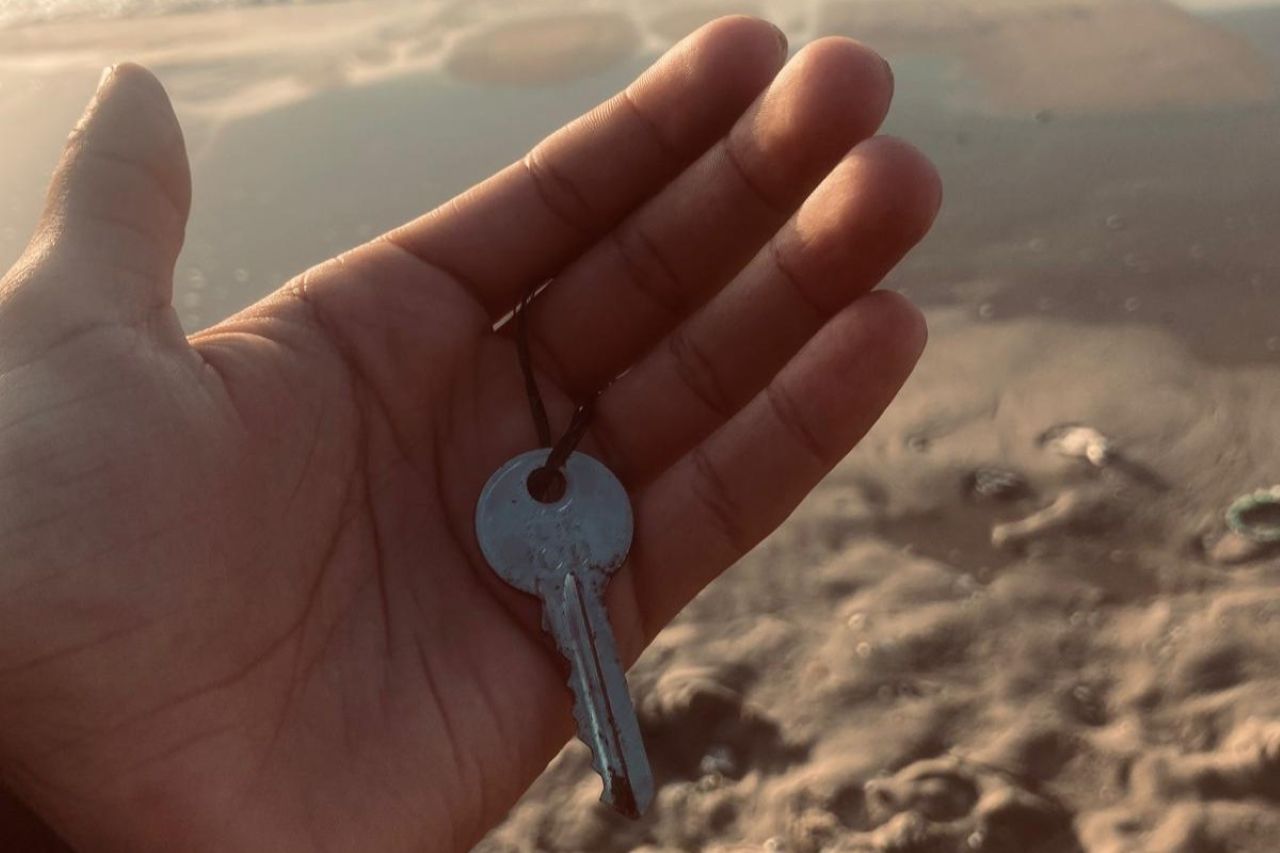
When I was younger, I used to think the Nakba belonged to older generations. It felt like something distant, tied to black-and-white photographs or to the names of villages people repeated every May.
I heard about it in family conversations, in stories that always began with an old house or a road that no longer existed. Like many people from my generation, I thought the Nakba was something that happened 78 years ago and ended there, even if its effects remained.
But on a night in May 2026, after turning 22 years old, and after my own roof had become fabric, I began thinking about the meaning of the word again.
What does the Nakba really mean to Palestinians today? Is it still only a historical memory, or is it something we continue to live in different forms without always calling it by its name?
That is why I decided to ask several Palestinians, each with a different relationship to the meaning of the Nakba. I wanted to understand how one word could carry all these meanings, and how Palestinians, wherever they are, might still find themselves inside it in one way or another.
I began with my grandmother.
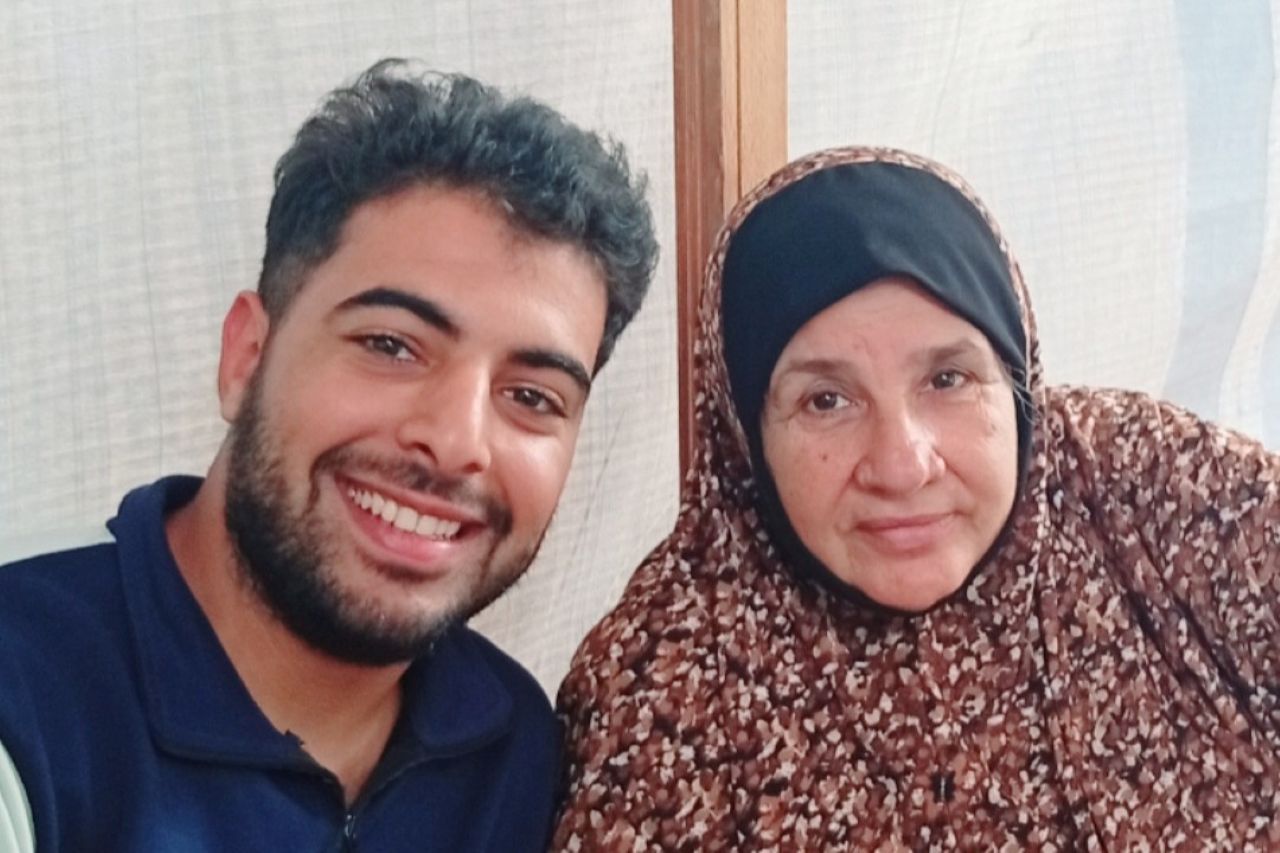
My grandmother did not directly live through the first Nakba. She was born a few years later, but she grew up surrounded by its stories. She used to tell me about the old homes, and about the large keys some families kept for years, as if return was still possible at any moment. She also spoke about how her mother hid gold, clothes, and other belongings underground before fleeing, believing the family would return only a few days later.
When I asked my grandmother whether she saw the Nakba as something that ended decades ago or something still continuing today, she did not hesitate for long.
She was sitting inside her tent in al-Mawasi, Khan Younis, nearly two years after being displaced from her home in Rafah, surrounded by camps that felt closer to a struggle for survival than to real life, with almost no infrastructure and with bombing continuing despite what was being called a ceasefire.
For a few brief seconds, she spoke in a way that seemed to summarize not only her own suffering, but the suffering of an entire generation of Palestinians.
"The Nakba is still ongoing", she told me. “What happened to us in 2023 was worse than the Nakba of 1948.”
Then she added:
“We used to hear about displacement from our parents, and now we are living it with our own eyes.”
And this experience is far from isolated. According to the United Nations, around 90 percent of Gaza’s population has been displaced since the beginning of the genocide, many of them multiple times.
In that moment, I realized that for my grandmother, the Nakba was not simply an old story. It was something passed from one generation to another until it finally reached us, in an even harsher form.
But the Nakba does not look the same for every Palestinian.
I then spoke with one of my relatives living in the occupied West Bank about what the Nakba means to him today. He told me that there, the Nakba does not always appear as tents or displacement the way it does in Gaza, but as a life where everything can change or collapse at any moment.
He said that checkpoints, military raids, and daily fear create a permanent feeling of instability, as if life itself has become temporary.
“Sometimes you feel like you are living in your own homeland,” he said, “but without fully feeling safe or free.”
For him, the Nakba is not only about losing your home. It is also about living without the ability to feel normal, stable, or certain about the future. And when he spoke about Gaza, he said Palestinians are living the same Nakba in different forms. Some live it through bombing and displacement, while others live it through constant fear and suspended lives.
Across the occupied West Bank, Israeli occupation raids, restrictions on movement, arrests, and forced displacement continue in ways many Palestinians see as an ongoing extension of the Nakba.
Abu Hashem, one of my closest friends growing up together, carried yet another meaning of the Nakba.
When he left Gaza to continue his studies abroad, he thought he would only be gone for a few months before returning to his family and normal life. But today, he watches the genocide from afar, following news of displacement and bombardment through his phone, while living with the constant helplessness of being unable to reach or even properly check on his family.
He told me:
“For me, the Nakba is being a Palestinian student living far from home, away from my family, away from the people I love, and away from a life I thought I would return to.”
Later, he added:
“I used to think the Nakba meant being forced to leave your home. Later, I understood that it can also mean not being able to return to it when your family needs you the most.”
For him, the Nakba became a long exile, a constant feeling that you are far away from the place where you are supposed to be, while everything continues there without you being able to do anything.
Then I thought about myself.
On the day I was displaced from my home, I believed it would only be temporary. Like many others, I left thinking I would return after a few days. We left many things behind because we never imagined the absence would last this long. But over time, I began to understand something I had never understood before.
I understood that Palestinians do not need to read history books to know what the Nakba means.
Sometimes, all it takes is losing your home once.
Or waiting for hours at a checkpoint.
Or watching your family being displaced through a phone screen while you are far away.
That is enough to understand that the Nakba was never just an old memory.
After 78 years, the Nakba no longer carries a single meaning for Palestinians. In Gaza, it may mean tents, displacement, and losing your home. In the West Bank, it may mean a suspended life shaped by fear and checkpoints. Outside Palestine, it may mean a long exile and the pain of being unable to reach your family when they need you most.
But despite these differences, one thing remains shared across all these stories: the constant feeling that Palestinian life can be uprooted or changed at any moment.
That is why the Nakba today feels less connected to the past and more connected to the present we are still living through. It is not only an event that happened in 1948, but an ongoing reality that changes from one person to another and from one city to another, while remaining tied to the same root: the ongoing Israeli occupation and the permanent loss of safety, stability, and normal life that comes with it.
And maybe that is why Palestinians do not have a single definition of the Nakba. Because every Palestinian, wherever they are, carries their own version of it.

Hassan Herzallah - Correspondent from Gaza