DECOLONIAL ARENAS 2026 KICKS OFF
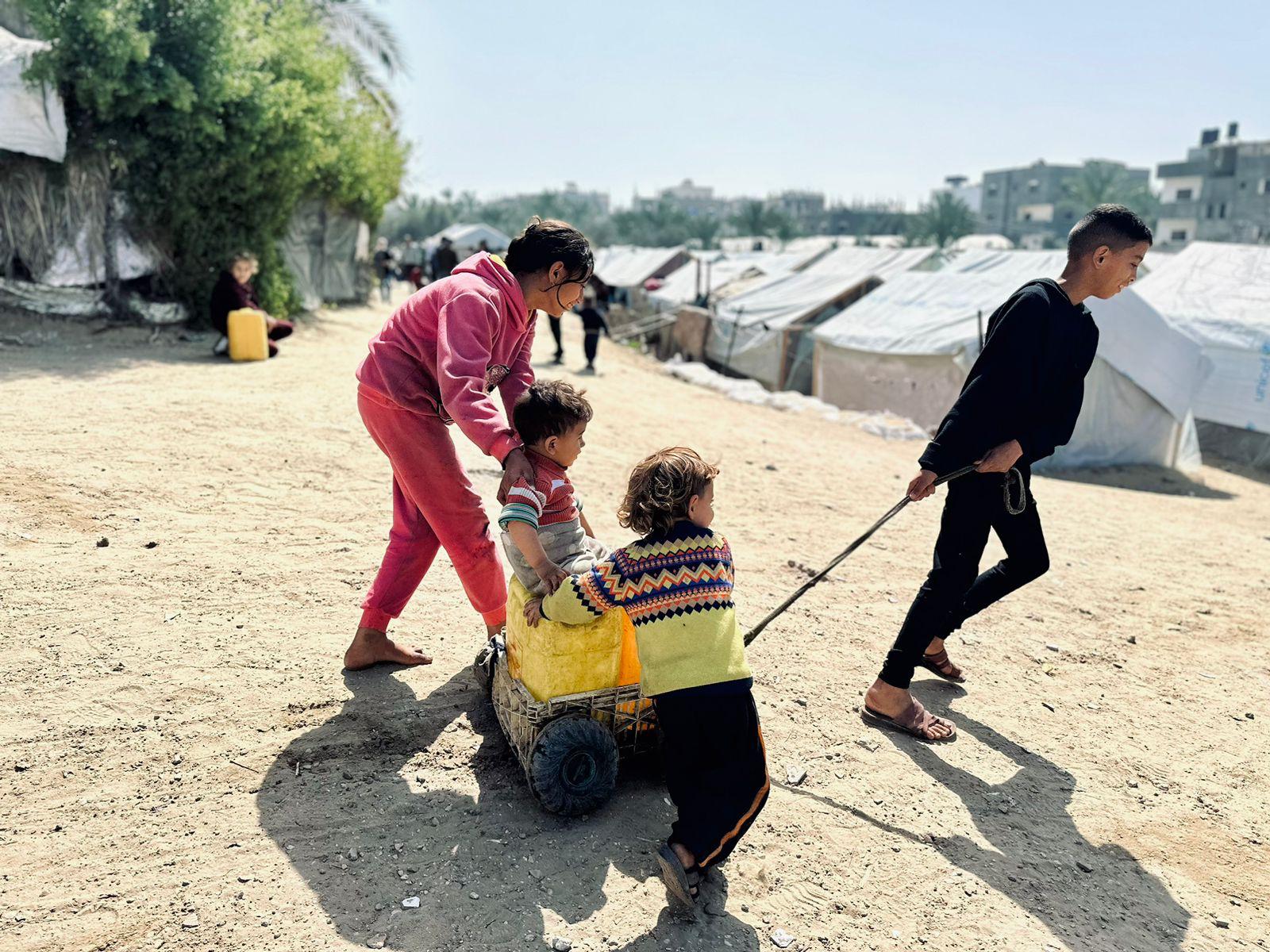
After 15 months of genocide and an unprecedented level of destruction and death caused by Israel, the ceasefire agreement took effect on 19 January. The Gaza population that survived the genocide thus entered the first of three phases of a ceasefire process, each lasting 42 days.
The main objective is to secure the return of hundreds of thousands of forcibly displaced people to their home areas, and in particular to the almost completely destroyed northern Gaza Strip, - as well as the entry of humanitarian aid, the withdrawal of Israeli troops from urban areas, and the exchange of prisoners.
People have been walking back to their cities for days now. What they find, however, is often just a pile of rubble. A destruction that is not only material.
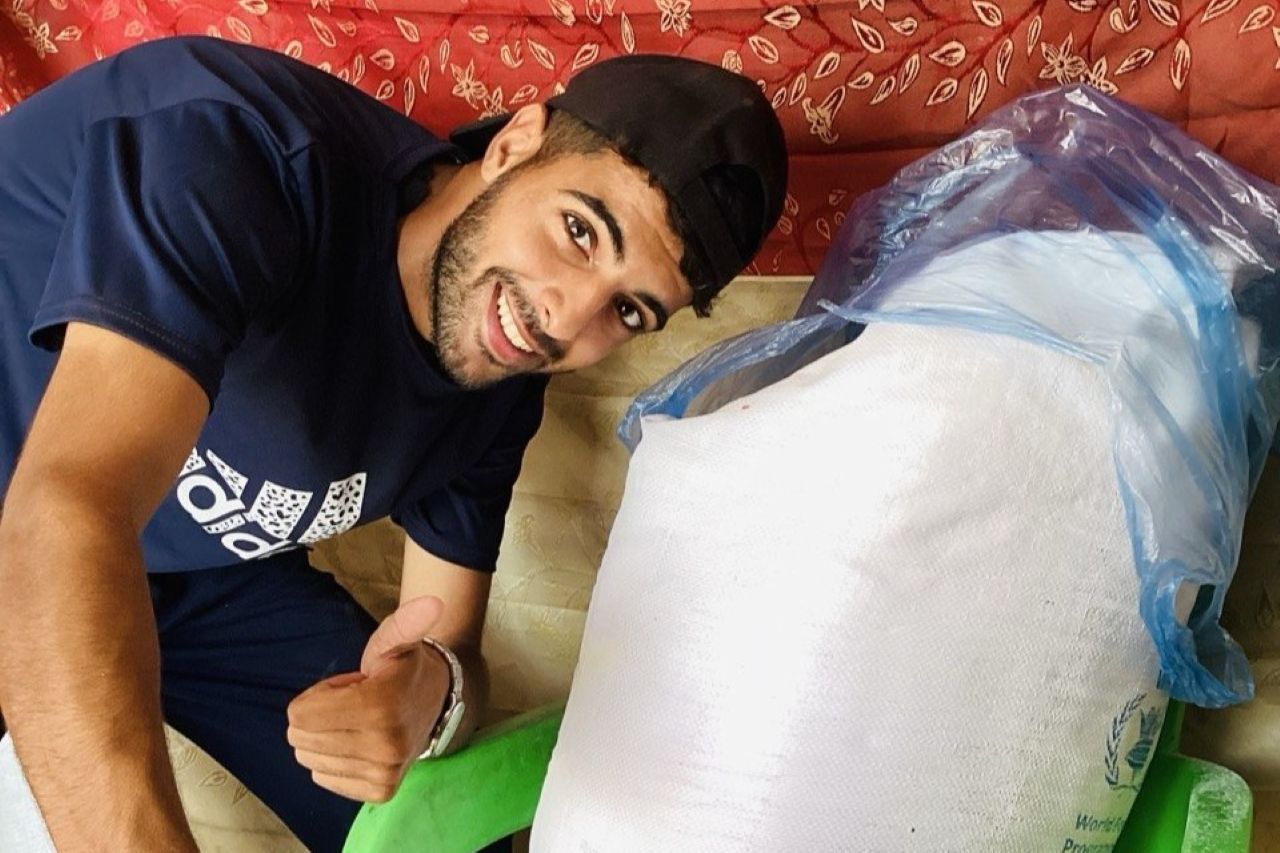
"This is the most difficult phase for the surviving population," our colleague Sharif Hamad, who has lived through many Israeli offensives, most recently in 2014, which destroyed his own home, tells us. 'It is the moment when the joy of surviving soon gives way to anguish: you find your homes in rubble, you realise who is no longer there. If you no longer have to fight to stay alive, you give way to trauma. And it is often devastating,' he says.
As explained by our colleagues at UAWC - Union of Agricultural Work Committees, with whom we have worked tirelessly over the past 15 months to bring concrete aid to the Palestinian population, the terms of the ceasefire agreement have been internationally monitored since early February, although the aid entering Gaza has not reached the necessary levels. Fuel, medicines and safe havens for the displaced population who have seen their homes destroyed are still severely insufficient. In parallel, statements by the new US administration have generated enormous concern:
"These are extraordinary and unbelievable statements about the intention to carry out ethnic cleansing against the people of Gaza and to reconstruct the Strip for the purpose of building speculation," the UAWC explained. At the same time, newly-appointed President Trump signed executive orders to sanction the International Criminal Court and those working to implement international laws with respect to holding Israel accountable for its heinous crimes. "These are actions that Isarele is supporting and that seriously jeopardise the possibility of implementing the second phase of the truce agreement," our colleagues insist.
And on the other hand, the situation in Gaza remains dramatic. Over 500,000 people have returned to the areas to the north of the 'Netzarim corridor ' - created by Israel in the course of its offensive to control the Strip and separate the northern area from the centre and the south - finding their property and homes destroyed, the land strewn with unexploded ordnance and severely polluted, posing a real risk to the population.
Health and psycho-social services remain grossly inadequate to the needs: there is still a major shortage of fuel, clean water, sanitation materials and safe shelters, UAWC explain. To this must be added the destruction of all civilian infrastructure and of the main arteries linking the cities of the Strip, making the transportation of aid and the movement of trucks, which are rarely able to reach the areas where the needs are greatest, even more complex.
In this situation, the plight of families living from fishing and farming remains very serious. According to UAWC data, at least80 per cent of Gaza's agricultural land has been destroyed, severely damaged or rendered unusable, particularly greenhouses and fruit and vegetable crops. Sea water remains largely, and equipment needed for fishing, storage sites and warehouses have been almost totally destroyed. In addition to this, cisterns, water plants and water desalination sources have been permanently contaminated, damaged or destroyed, making the sources of drinking water supply extremely unsafe, and now almost inaccessible to the population.
An overall situation that, as always, weighs doubly on women, those who pay the highest price for the lack of sanitation, but also severely affected socially and economically. As explained by UAWC, women's participation in social and economic life has not returned to pre-7 October 2023 levels.
This is why 'it is necessary to keep our attention high and continue to support the population of the Gaza Strip as much as possible,' Sharif recalls. At the same time, he denounced the extremely serious violations committed daily in the occupied territories of the West Bank, where the heart of Israeli military operations has shifted with continuous arrests, demolitions, raids and attacks by soldiers and settlers against the occupied population.
The immediate needs identified by our UAWC colleagues in the coming weeks include the provision of fuel and clean water; the reconstruction of roads to allow for the delivery of humanitarian aid; the rehabilitation of farmland so that it can be cultivated again, and the provision of seeds and fertilisers to return to minimum levels of economic subsistence and self-production; the rehabilitation of agricultural infrastructure; direct financial support to ensure the survival of families; the distribution of hygiene kits and medicines; and support for women with social and economic empowerment actions to return to the levels of women's participation prior to the genocide committed by Israel.
"Your closeness is needed now more than ever," Sharif emphasised. "The people need to feel that we are there, that we are not abandoning them, that we will continue to fight alongside them in the demands of this moment: justice and reconstruction. Those who have supported us have shown great courage in these months: thanks to the generosity of so many people, we have been able to bring Gaza water, food, toilets, tents to shelter from the rain and cold. But we must go on and continue. Because only with your support can we Palestinians look up to the sky again and see a new dawn'.
To find out what we have done so far with UAWC, click here.