DECOLONIAL ARENAS 2026 KICKS OFF

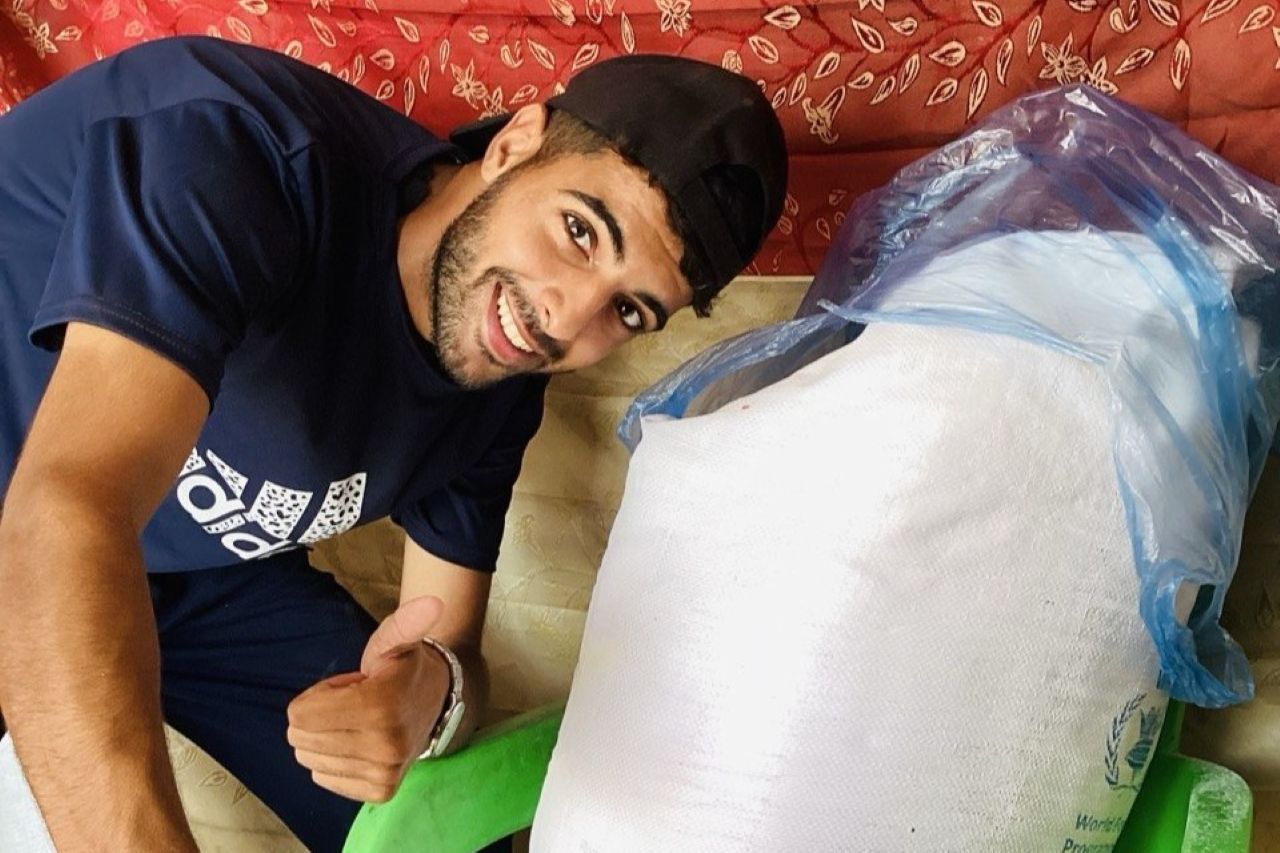
Hassan Herzallah is a translator, writer and storyteller from Gaza. He collaborates with several international newspapers. For the "Water for Gaza" campaign, he chose to share with Un Ponte Per his direct testimony, documenting his life under siege and displacement. He is in his third year of studies in English translation at the Islamic University of Gaza and continued his education online after the university was bombed.
Gaza, 7 November 2025
It felt almost like a dream to wake up to children in the camp shouting, “Ceasefire! Ceasefire!” — a moment of hope in the middle of the two-year nightmare we had lived through. It was no ordinary day; it was the announcement of a ceasefire in Gaza after two years of genocide. Joy filled my family and the camp, yet a lingering pain remained inside us, even after the war ended.
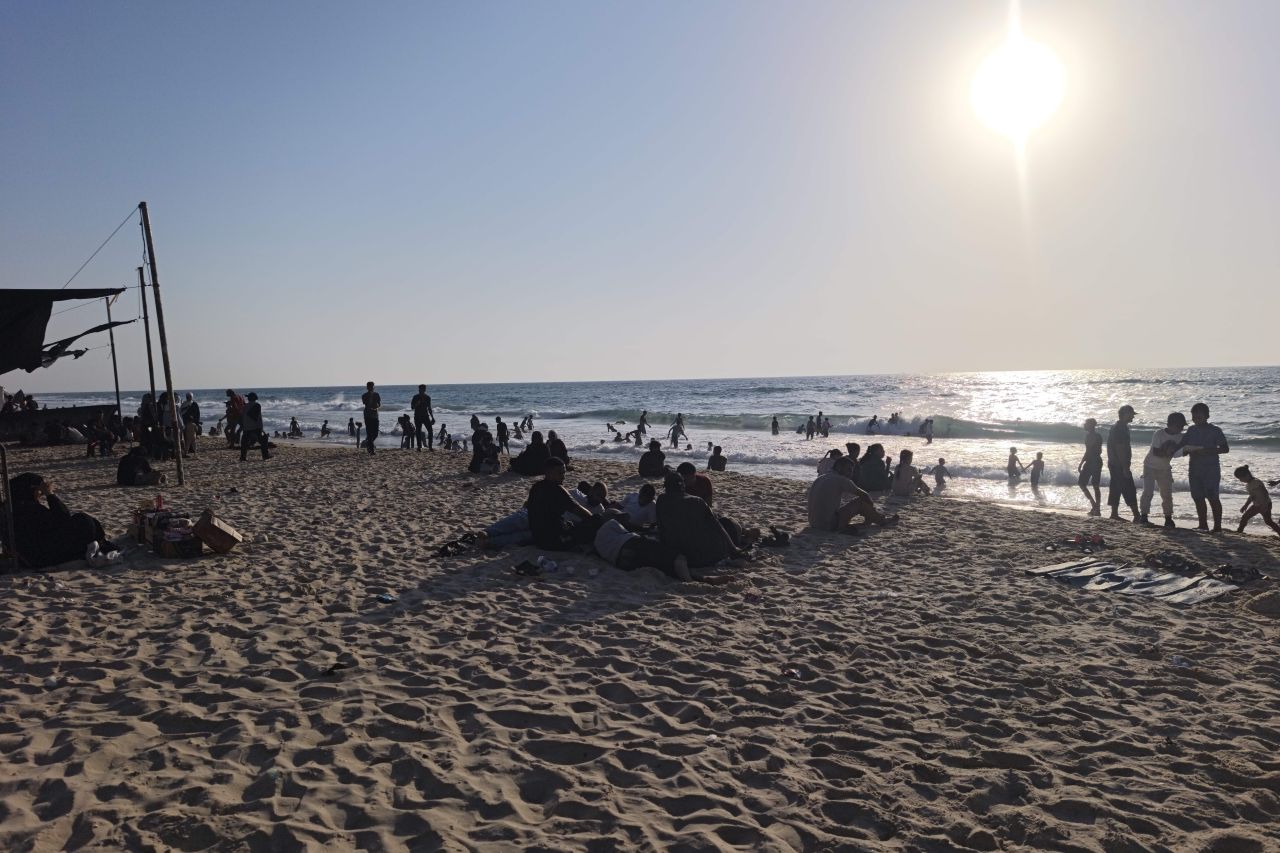
I had waited eagerly for any ceasefire, so I could finally meet friends I hadn’t seen for months, even years, as moving around during the war was too dangerous and people risked being targeted. We planned to gather a week later, on October 16, 2025, at the beach in Al-Nuseirat, in the heart of Gaza City.
I met my friends Mahmoud, Hussein, and Ramez; our fourth friend, Omar, was supposed to join us. His brother remains trapped under the rubble of a bombed house, leaving Omar in deep distress. His other brother is locked behind the bars of an Israeli jail; Omar had hoped he would be released on October 13 with the other detainees — but he was not. Now Omar carries the heavy pain of loss and separation, especially after seeing the joy of others whose loved ones were freed.
I spent the day with my friends, laughing one moment and grieving the next, as we remembered the sweet and painful moments of the genocide. Amid it all, one question kept coming up: How did it feel when it finally ended?
Hussein lived in Al-Nuseirat and did not have to evacuate his home during the war. He spent two years there, enduring the horrors of bombings, death, and hunger, while sheltering many displaced people. Unfortunately, some of them were killed in the attacks. Even though he never left, he lived in constant fear that one day he might have to evacuate too. When the ceasefire news arrived, his first feeling was safety, knowing his family would not have to leave their home.
Mahmoud lived in Gaza City, which was under constant bombardment, and he and his family were forced to evacuate south to escape the relentless attacks. He endured his share of the horrors of war — leaving his home and all his belongings behind, living with his family in a small room at a relative’s house, and going through every stage of the war: bombings, death, hunger, and soaring prices. When the ceasefire was announced, their first feeling was fear for their home — whether it was still standing or not. Two days later, they learned it had survived, filling them with overwhelming joy, knowing they could finally return home after more than a year and a half of displacement. All they had to do then was clean their house and resume their lives.
My friend Ramez, who lives in East Khan Younis, experienced a different kind of uncertainty. With the news of the ceasefire, his family was relieved to learn that their house — the only one still standing in their area — had survived. Yet their joy was short-lived. Israeli forces continue to target new homes in East Khan Younis every day, leaving Ramez and his family in constant fear. Each day brings a new threat, and they never know if their house — or their ability to return to it — will be taken away in an instant. The ceasefire has brought hope, but for them, danger and anxiety remain a constant companion.

As for me, I spent the first nine months in my home in Rafah ( Southern part of Gaza ) before we were forced to evacuate — a moment that felt like my soul was leaving my body. We moved to live in tents, enduring the hardships of war: the harsh summer heat, the bitter winter cold, bombings, hunger, and the lack of even the most basic humanitarian services.
What’s even more painful is that, after the war ended, I had no home to return to — mine was completely destroyed. I still live in a camp for displaced people from Rafah, my city that once sheltered over a million. Now, with no news of return, our future feels uncertain, and an emptiness eats away at us as we live without the basics of life.
I wonder — how can someone who lost their home and family feel joy after such a war? Was the end of it truly felt the same by everyone?
Now, as the days after the ceasefire unfold, life in the camp feels like a mix of relief and exhaustion. The bombings have stopped, but the struggle to survive continues in different forms. Winter has arrived, and the cold pierces through the thin tents. Every day, families try to find drinkable water, collect wood, share bread, and try to rebuild what little they can. Still, amid the ruins and the cold, I keep asking myself: can there really be joy after everything we’ve endured? After two years of genocide, will there ever come a day when a true sense of stability fills our hearts again?
Despite everything, Gaza still breathes. I see children in the camp playing among the houses that have become rubble, some goods slowly returning to the markets, and a few schools that were suspended now preparing to reopen. Yet, we in Gaza are still waiting for the sun that has long been absent.

Hassan Herzallah - Correspondent from Gaza