DECOLONIAL ARENAS 2026 KICKS OFF

By Asmae Dachan*
After more than 12 years of war and terrorism, Syria's economy is on its knees. The demographic change is a tangible sign of this: of the 22 million people who inhabited the country before the start of hostilities, todayaround 7.5 million are internally displaced and just as many are refugees in neighbouring countries, Turkey, Lebanon, Jordan and elsewhere. The productive fabric is decimated,unemployment at an all-time high, as is inflation.
Most refugees do not intend to return because the minimum security conditions are lacking, with detentions, arrests and forced disappearances also denounced by the United Nations Office for Humanitarian Affairs (OCHA) and the Syrian Network for Human Rights.
Also deterring Syrians from returning home are the continuing violence and poverty. According to the UN,90 per cent of the population lives below the poverty line.The Syrian lira continues to lose value, while the prices of basic necessities have risen sharply and the population is now exasperated.
Yet for weeks now,the squares of Syria have once again come alivewith demonstrators, not only in the rebel-held area in the north-west, where they have in fact never stopped, but also in the city ofDaraa, a suburb of Damascus, and inSweida. Among the poorest areas is preciselynorth-west Syria, where about 4.5 million people live,at least 2 million of whom are displaced, and who according to OCHA risk no longer even receiving bread because of the policies ofclosing border crossings imposed by Russia inthe UN Security Council.
Syrian borders hostage to politics
Russia, in its role as a historical ally of the Assad regime, besides actively participating in the bombings and having its warships in the ports of Latakia and Tartous for years,has always vetoed resolutions concerning Syria in the Security Council.Despite the war in Ukraine,Russiaalsocontinues to have great influencein decisions concerning the closing and opening of border crossings between Syria and Turkey, which are the only chance for the population in the northern areas of the country to receive humanitarian aid, essential for survival.
The arrangements to ensure survival: the border with Turkey
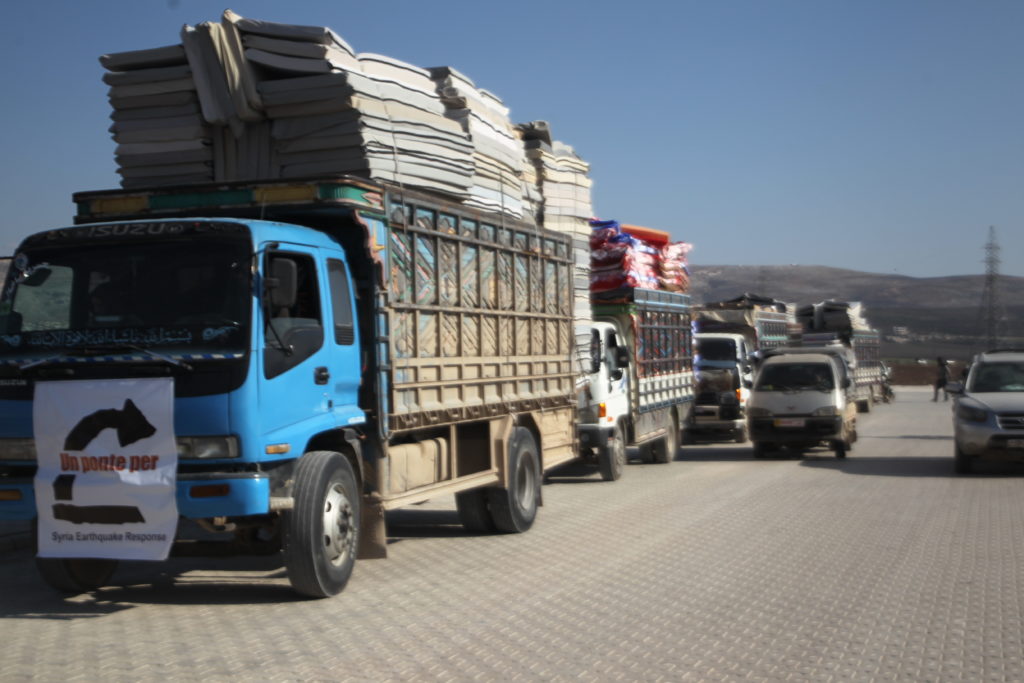
After long negotiations, an agreement was reached on 8 August with the Syrian government and Russia toreopen the main border crossing from Turkeyto allow the delivery of humanitarian aid. For the next six months, theBab al-Hawaborder crossing, which connects southern Turkey to north-west Syria, will be accessible and allow much needed assistance to reach millions of people in north-west Syria. Bab al-Hawa has been in use since 2014, when the UN Security Council authorised cross-border aid deliveries across conflict lines. Since then, about85 per cent of humanitarian aid has passed through Bab al-Hawa. The agreement also included authorisation for the UN to use the Bab al-Salam and Al-Ra'ee border crossings, originally opened earlier this year as part of the emergency response to the earthquake disaster that struck Syria and Turkey on 6 February, for a further three months.
Syria today: the north-west and the veto weapon
The northwestern region is the last opposition stronghold in Syria and aid is delivered from Turkey through a cross-border mechanism first authorised by the UN Security Council in 2014. In July 2023, a first attempt to renew the agreement at the UN Security Council failed due to Russia's veto.
The first draft resolution, submitted by Brazil and Switzerland, called for a nine-month extension and included a paragraph on expanding cross-border operations, increasing funding, strengthening early recovery activities and humanitarian mine action. Although 13 of the 15 Council countries voted in favour of the resolution, it was rejected by the negative vote of Russia,one of the five permanent members.China, another permanent member, abstained. The latest agreementprovides for the delivery of life-saving supplies to populations in the north-west, despite the worrying lack of funding that still hampers the humanitarian response.
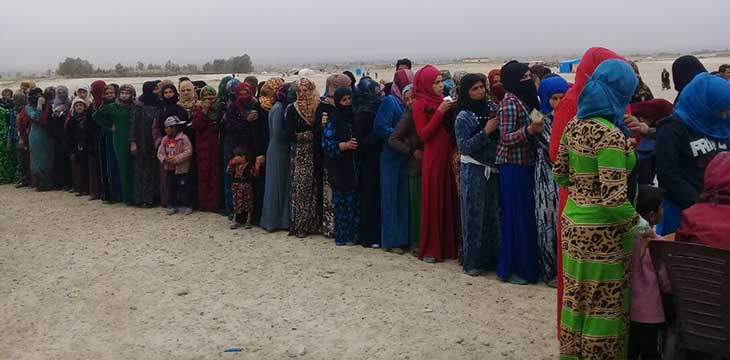
The humanitarian crisis in Syria
This news comes ashumanitarian needs are at an all-time highafter more than 12 years of war and in the wake of the devastating doubleearthquakesthat hit the region in February. According to the UN,nearly 12 million people- more than half of Syria's population -do not have enough foodand another 2.9 million are at risk of going hungry.
In June, UN humanitarian mission chiefMartin Griffiths warned that '12 years of conflict, economic collapse and other factors have pushed 90 per cent of the population below the poverty line'. The humanitarian operators warned Security Council members earlier this summer that the Syrian population is facing a 'worsening humanitarian crisis'.
OCHA Chief RepresentativeRamesh Rajasingham stated in July that 'despite these severe vulnerabilities, the 2023 humanitarian response plan for Syria is only 12.4 per cent funded'. Rajasingham also warned that in the absence of urgent funding, humanitarian operators will have to make 'difficult choices again this year'. The'unprecedented' funding crisis in Syria has also forced agencies such as theUNWorld Food Programmeto announceextensive cuts in aid supplies, including reductions in monthly food rations.
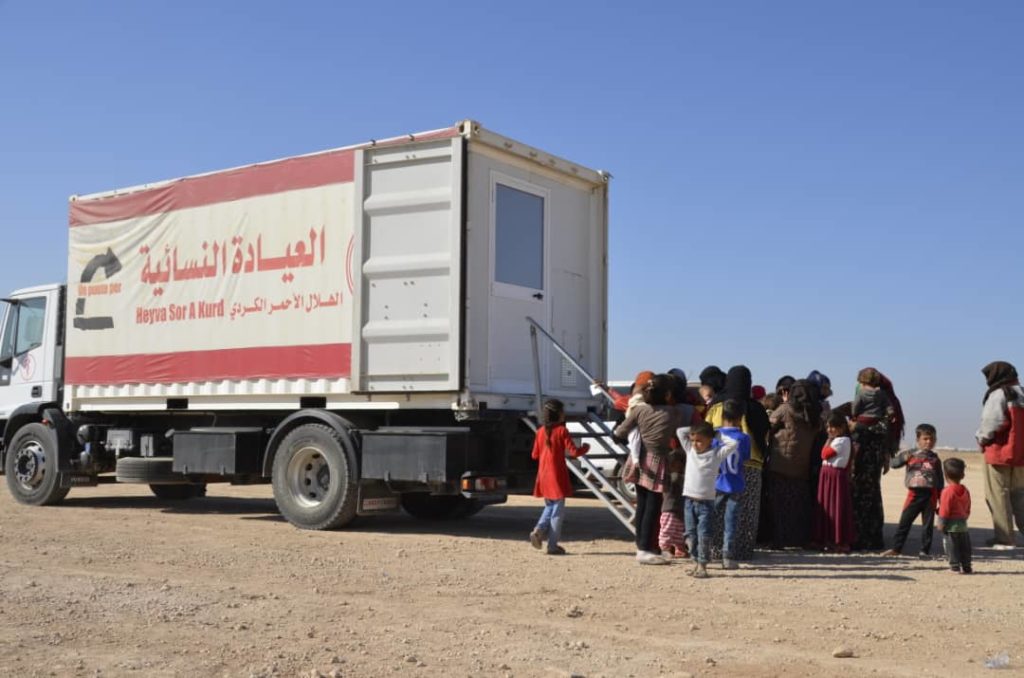
Reduced assistance to refugees: the case of Jordan
Jordan is home to the second highest per capita refugee population in the world, with over 660,000 refugees, mainly from Syria, registered with UNHCR, the United Nations refugee agency. A recent UNHCR report on the socio-economic situation of refugee families in Jordan, during the first quarter of 2023, showed thatalmost 9 out of 10 were in debt.
The Food Security in Numbers report for the first quarter of 2023, published by the World Food Program, showed thatthe average amount of debt among refugee peoplein both camps and host communities in Jordanincreased by 25 per centover the past year. In July, the Wfp reduced its assistance by one-third to all beneficiaries in host communities, affecting 346,000 of them, according to the latest Wfp Jordan Country Brief report
Assistance received by all 119,000 beneficiaries living in the camps has been reduced by a third since August, the Wfp document says, due to 'an unprecedented and severe funding gap. We are deeply concerned about the potential deterioration of household food security.
Despite prioritising the poorest households and phasing out about 50,000 people from assistance, the report showed thatthe Wfp still needs a total of about USD 30 million to continue providing assistance at reduced levels from October to December 2023.
*This article was originally published in Rights Watch.