DECOLONIAL ARENAS 2026 KICKS OFF
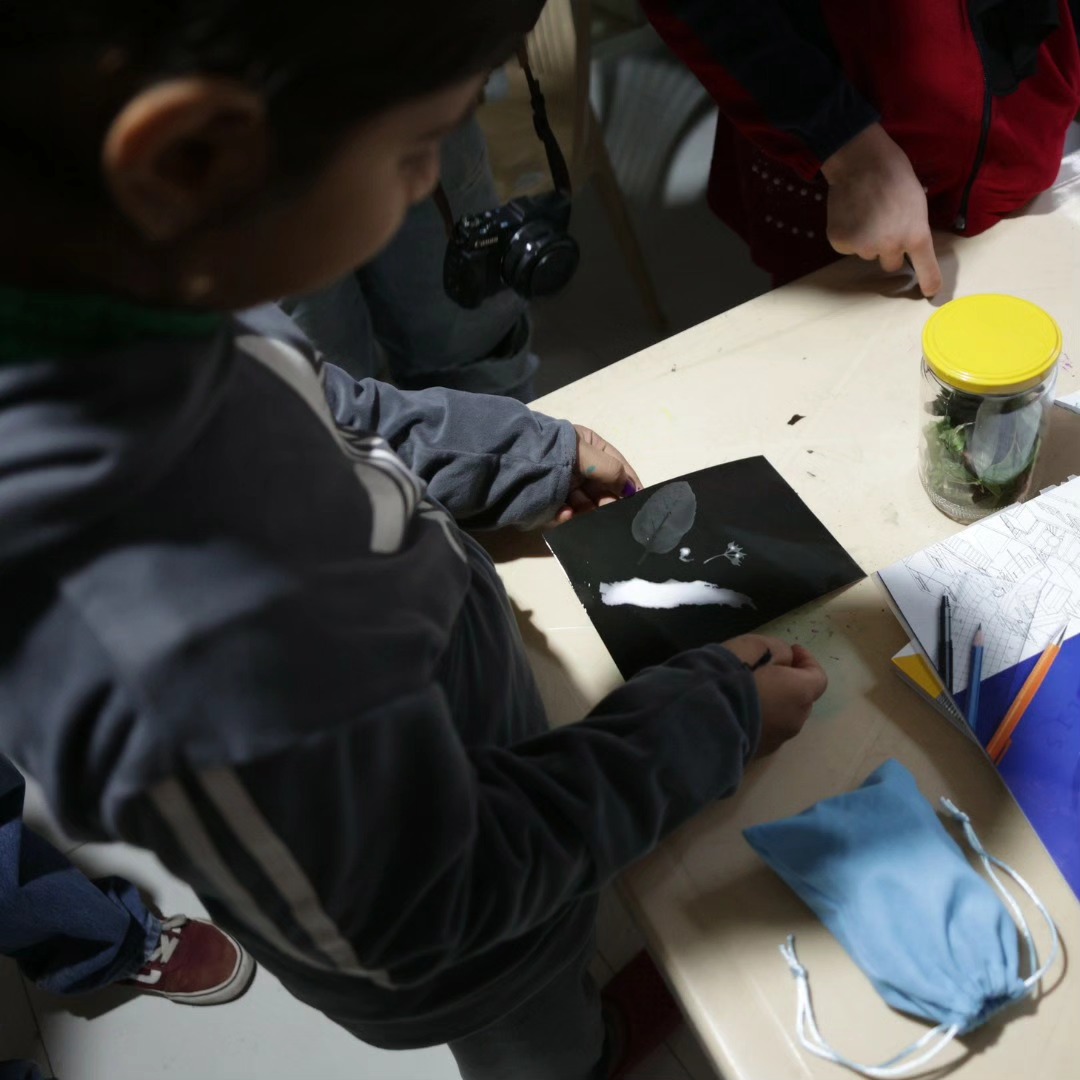
In Lebanon, Un Ponte Per ran photography workshops with Palestinian children from the Shatila Refugee Camp. The popular pedagogy initiative, aimed at stimulating self-recognition, self-expression and awareness of one's own emotions, also brought surprising results in terms of "mapping the needs" of those living in the camp.
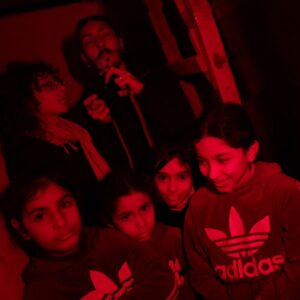
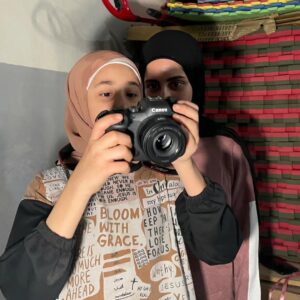
Images have always been a very strong tool to tell about oneself and one's relationship with reality. They are a way of defining each person's story and that of the world around them.
The images(and narratives) of marginal contexts, however, are often imposed by others, by those who do not live those contexts. It happens in our suburbs, which are often superficially recounted in the mainstream media as places of degradation and suffering, without any investigation into the root causes of those phenomena.
Together with about 20 of them, aged between 7 and 11, we organised a photographic workshop of self-narration, even building a small darkroom.
"How do you live your home? What do you feel when you walk down the street? What do youlike and dislike about what you see?" were some of the questions the children tried to answer through pictures.
During the workshop, they also learnt how to build a small handmade darkroom with which to develop their photographs. But above all, they learnt to tell a story, an emotion and even themselves and their own story, through the use of images.
Developing a deeper knowledge of the place experienced often means stimulating a sense of belonging and caring for what one has around one. The children indicated through images what they really needed, building an autonomous narration of their own reality and identity, which can be really important in a key of active, aware and participating 'citizenship'.
[Citizenshipis perhaps an oxymoron, as Palestinian people in Lebanon are not citizens and their status is that of 'refugees', now for several generations].
The result of the workshop is what we could call a very accurate 'map of needs' of the camp, really powerful because it was built from the bottom (in all senses) and by those who live that context every day on their skin, amidst deprivation and invisibility. These were truly exciting days, which show us that the path taken is the right one.
The initiative was realised in the spaces of the Shatila Sport Centre, a multifunctional centre located within the refugee camp where children can play and practice various sports, receive educational support, and take advantage of language, drawing and art courses.
A space that has been renovated, equipped and is still supported with funds donated to "Emergenza Libano" by the private donations of Un Ponte Per and is now attended by about 100 children.
We would like to thank Daniele Napolitano for having imagined, organised and conducted the workshops, with the support of the Peace Corps of Un Ponte Per, Majdi Adam and the girls of Basket Beats Borders who every day carry on an extraordinary work with the children of Shatila.