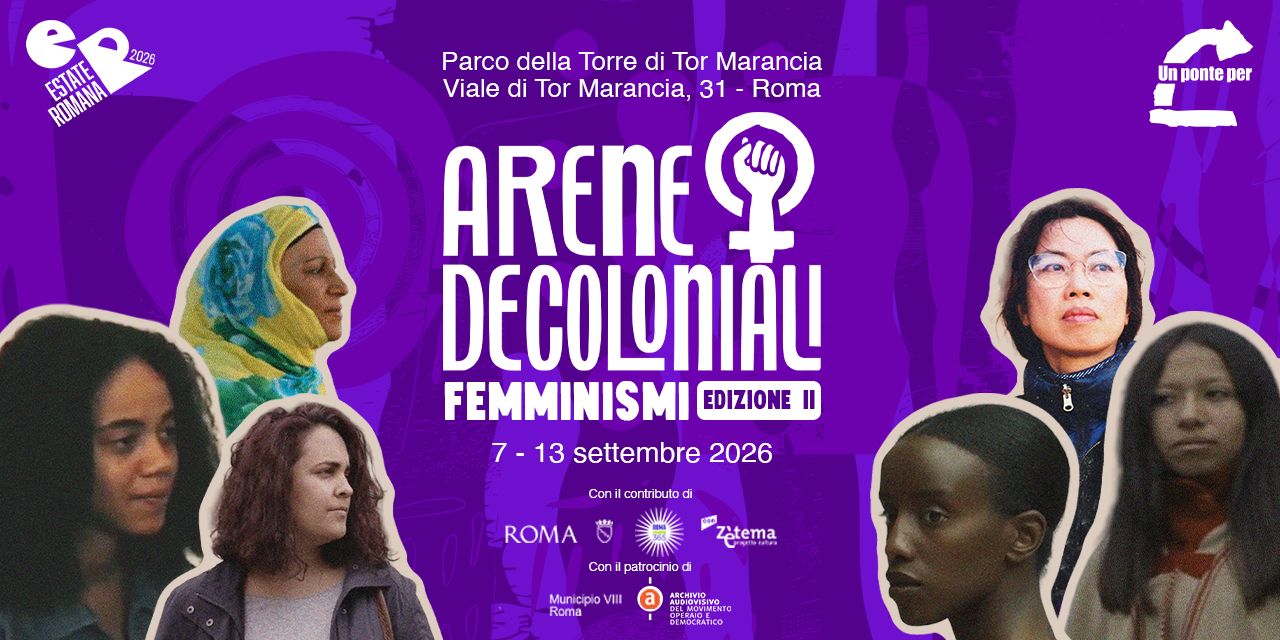
DECOLONIAL ARENAS 2026 KICKS OFF

Creating a safe place to meet and discuss, to learn more about one's rights, to discuss. It is with this aim that we have imagined our 'Conversation Clubs', which we have recently activated in Jordan as part of our 'Masahat Amina' (Safe Spaces) project, dedicated to vulnerable women and girls. Funded by the Italian Agency for Development Cooperation (AICS), the work we carry out targets particularly vulnerable people between the refugee community in the country and the host community.
In the country, we at Un Ponte Per have been working for many years. We have always focused on supporting the Syrian refugee community, but also the host community, in an attempt to create harmony and social cohesion, targeting in particular women, girls and people with disabilities.

The aim of our work in the country has always been to encourage the social inclusion and participation of the most vulnerable people: over the years, we have achieved wonderful results, such as the opening of an Italian pizzeria run by refugees, or a café run by people with disabilities. Our aim has always been to fight the stigmatisation of people with disabilities, and in particular of women, to support them on their path to self-determination and independence.
With the same objective in mind, we imagined the 'Conversation Clubs': spaces dedicated to them for a serene, safe, protected confrontation.
Last February, Huda Nijem, a psychologist and our long-time collaborator, together with the local organisations we have been working with for many years, started to organise 'Conversation Clubs' for 160 women and girls with disabilities from different areas of Jordan: Amman, Russeyfah, Dhleyl and Irbid. Each week, for a total of 8 meetings in each area, the Clubs offer women and girls with different types of disabilities the opportunity to learn about their rights and discuss protection-related topics, such as stigma, discrimination, violence and mental health, in a safe and prejudice-free space.
Together with them, the people who care for these women and girls also participate, thus helping to create a network that feeds on shared experiences and stories.
The clubs create a network of solidarity for the participants who can confront their opinions, discuss their feelings and share their personal experiences, thus building a protected environment.So far, the meetings have been a success: the participants have enjoyed sharing activities and have shown a greater awareness of their rights and their role in society.