WAITING FOR THE SUN. A THOUSAND DAYS OF GENOCIDE
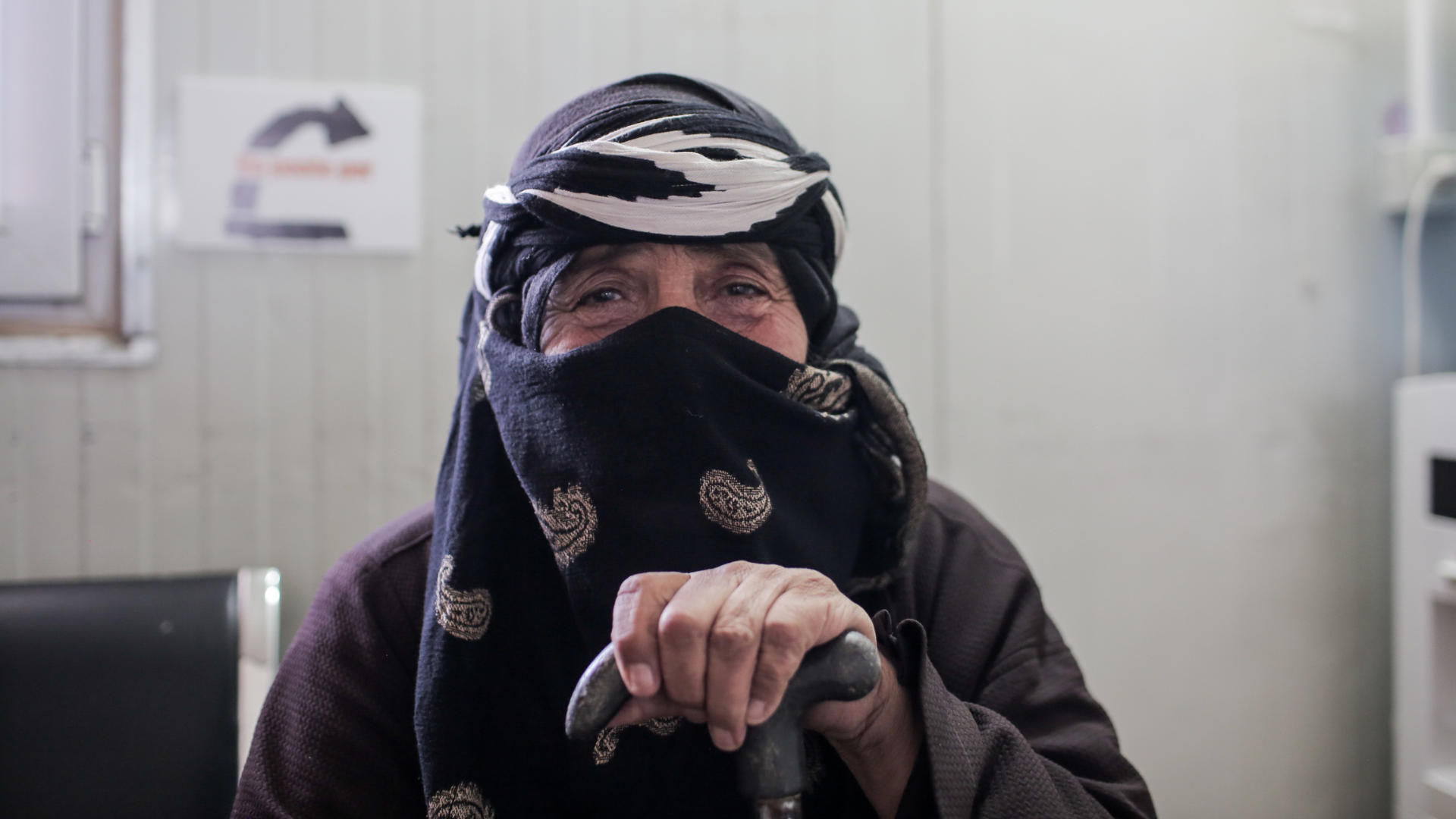
THE STORY OF MARIAM
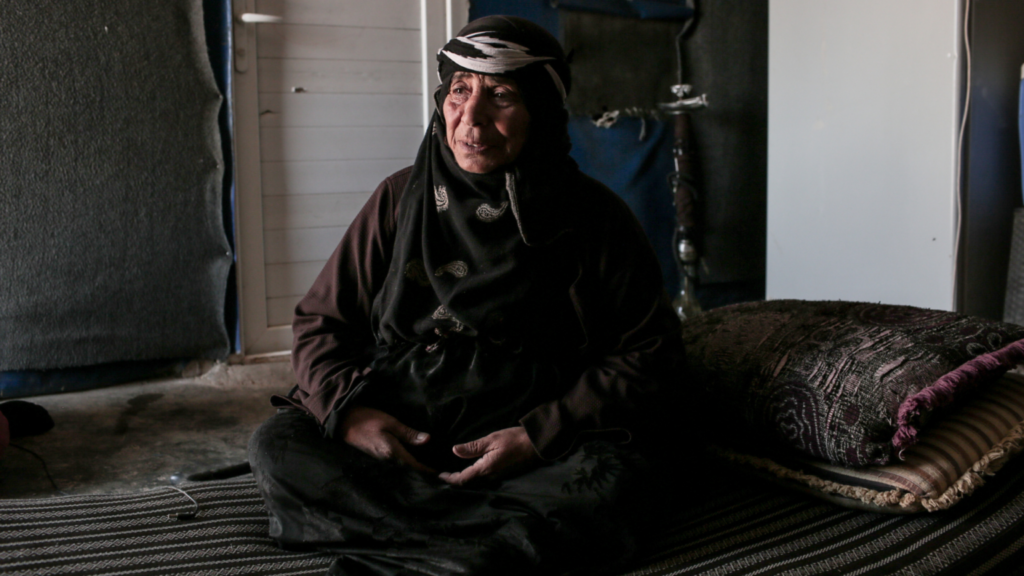
When Mariam invites us into her tent, we sit on large cushions lying on the floor, in front of us a battery-operated fan, necessary for the hours when there is no electricity.Mariam is 72 years old and for four years has been living in a tent in the Washokani camp, which was set up on the outskirts of the city of Hassake in October 2019 by the Autonomous Administration and Un Ponte Per together with the Kurdish Red Crescent.
Mariam moves from grimaces of pain and tiredness to infectious laughter. She amuses herself by saying that she lives alone not by choice but because 'it's common knowledge, daughters-in-law don't want to live with mothers-in-law'.
SURVIVE AND ADAPT
It was 4 p.m. on 9 October 2019 when Turkey launched the attack against the Kurdish people and the house of Mariam, striking the town of Serekanye with heavy bombardment. 300,000 people were forced to flee, leaving everything behind.
"We lacked nothing," says Mariam angrily. "We lived well and were happy. They looted our houses and burnt them down. We had to escape death." Today, 16,000 people live in the Washokani camp.
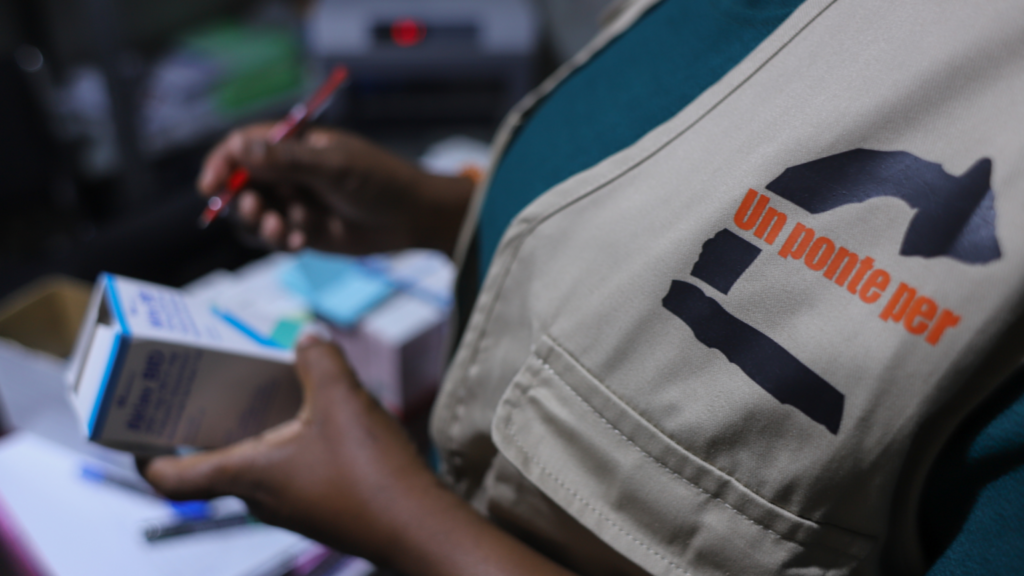
Here Un Ponte Per provides all primary health services: the Internal Medicine Clinic, the Paediatric Clinic, gynaecological care and pre- and post-natal care, the Emergency Clinic.
PROTECTING DIGNITY
"I have heart and kidney problems, I can't walk, I can hardly move," Mariam tells us. "Fortunately, in an emergency, the Un Ponte Per ambulance picks me up from my tent and takes me to the camp clinic. It has already happened several times, even at night". "And then the medicines. Outside the camp they cost money, I couldn't even afford a pill for a headache. My children don't work, our economic situation is very difficult".
Although elderly women are among the most vulnerable people in Syria, their needs are often invisible. They face the last years of their lives away from homes that have been destroyed, in tents in refugee camps, often alone and with health problems to deal with.
"I have heart and kidney problems, I cannot walk. Moving around is very difficult"
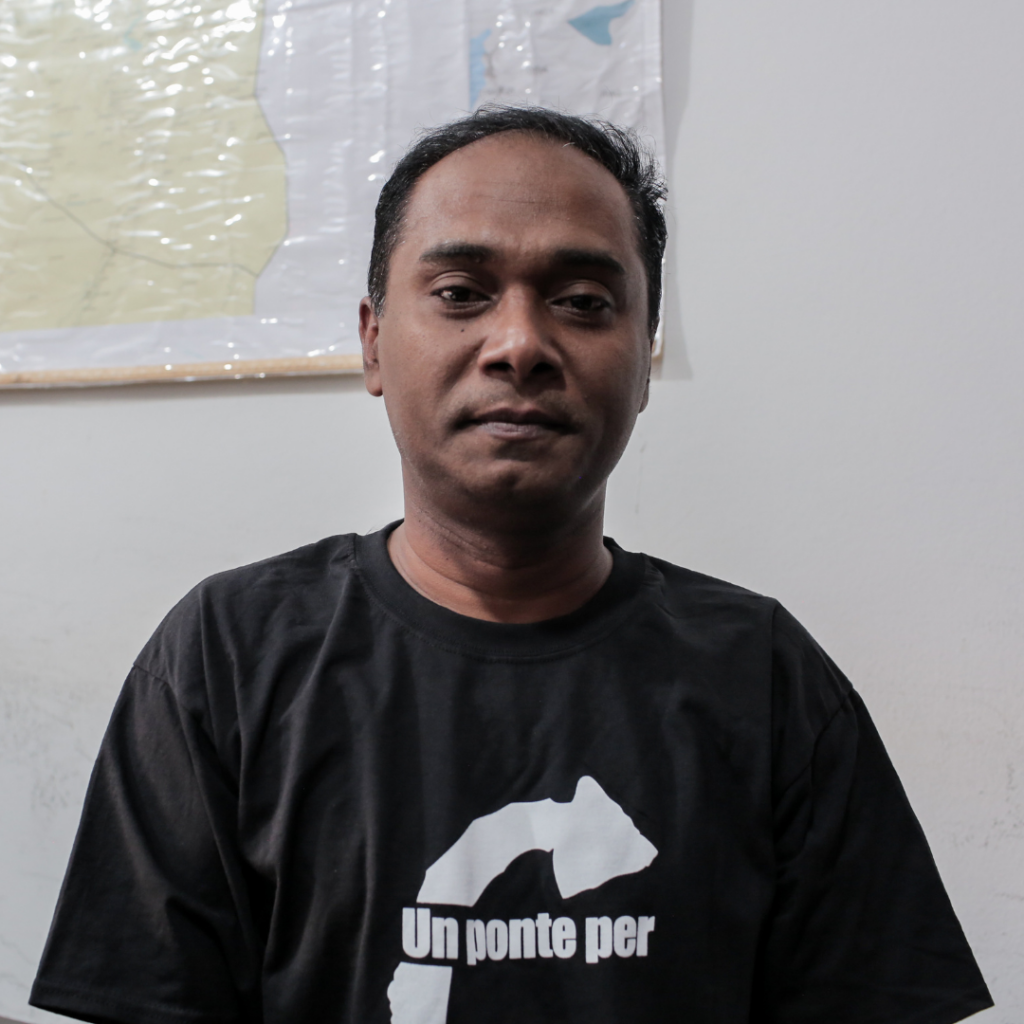
"I am Kamrul, Medical Advisor with Un Ponte Per in Washokani camp. Here we provide health services to displaced people, while Community Health Workers visit those with mobility problems, such as the elderly, directly in the tents. When necessary, we transfer them to health facilities in the camp or, in more serious cases, to the nearest hospitals".
Join our 'Free to Break' campaign. We need your help to break down the walls of stereotypes and oppression that discriminate against girls and women in North East Syria.
Ensure that isolation and restrictions on the movement of displaced women do not compromise their access to medical care.