ITALY. LEONARDO IN COURT FOR ARMS EXPORT TO ISRAEL

By Ambra Malandrin - Protection & Education Coordinator of Un Ponte Per
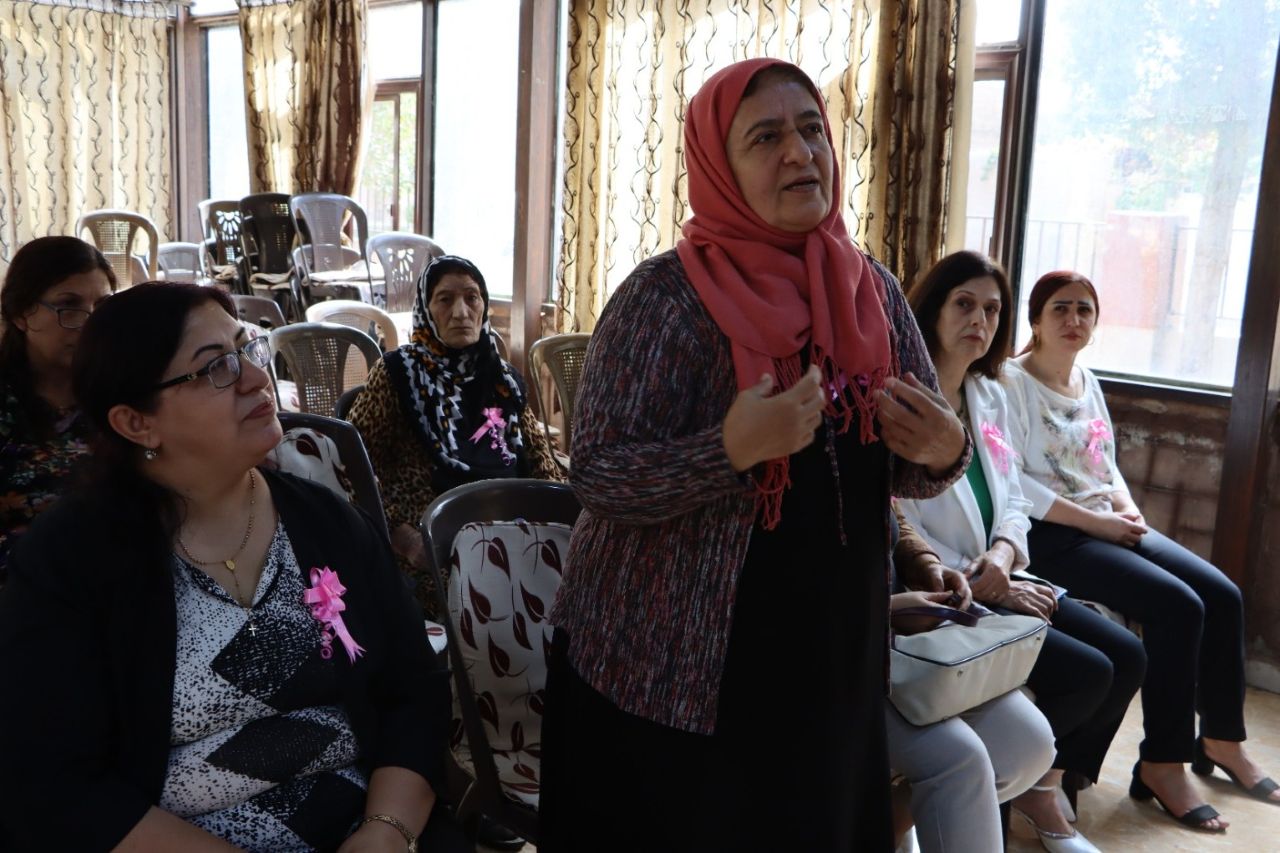
The'Mala Jin', as 'Women's Houses' are called in the Kurdish language, were established in Syria in 2011. The first was opened in Qamishlo, in the north-east, and immediately became a beacon of hope and resistance during some of the most difficult pages in the country's history. Created with the aim of combating gender-based violence and promoting women's self-determination, the Houses have had to overcome many challenges and obstacles over time.
During the years of occupation of territory by the Islamic State (Daesh), the Mala Jin worked in extremely dangerous conditions, facing threats from ideological systems that pervasively restricted women's freedom and rights. But even before, during the long years of the Asad regime, their capacity to intervene was severely limited by state policies that never effectively and systemically addressed the issue of violence against women.
Yet, despite the difficulties, the Mala Jin and the activists behind them have never given up, expanding their presence in the Syrian territory, and in the north east in particular. From Aleppo to Shehba, from Afrin to areas liberated from the presence of Daesh, activists have continued their work to protect, support and accompany women survivors of gender-based violence on their path to freedom and self-determination.
WOMEN'S HOMES IN TODAY'S SYRIA
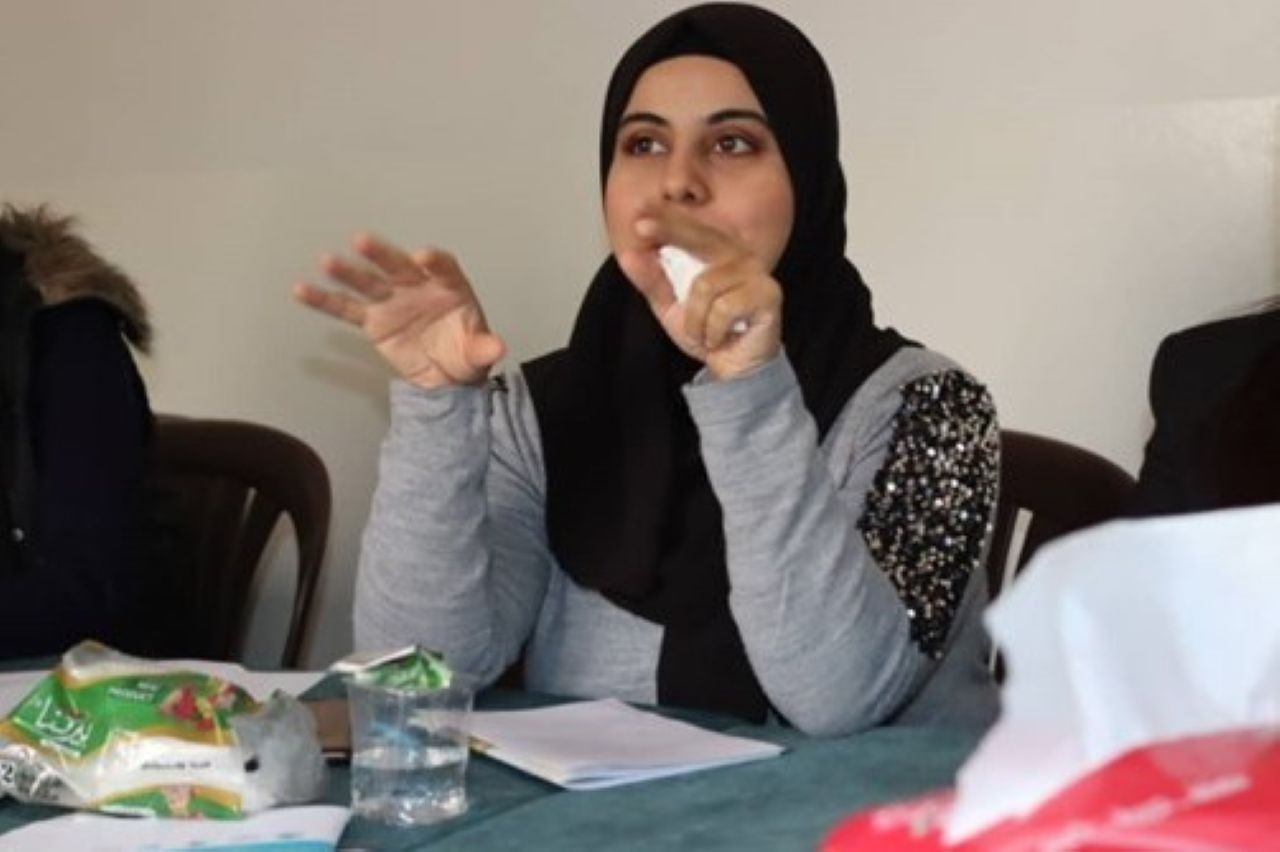
Women's Houses are social spaces dedicated to handling marital and family disputes and defending women's rights, but also safe places where survivors or those still at risk of violence can find support, support and shelter - material and economic - together with their children.
Through capillary and grassroots work, with awareness-raising campaigns, denunciation through the media and presence in the community, the Mala Jin activists, in collaboration with the North East Autonomous Administration, and in particular with the institutions dealing with gender issues, today play a crucial role in protecting women from violence and feminicide. Managed on a voluntary basis, the Women's Houses now number 22, distributed between the cantons of Hassakeh and Qamishlo, where they address all the communities present: Kurdish, Arab, Christian.
In addition to providing spaces for protection, the activists also provide psychological and legal support to the women who turn to them. Considering that there are only two institutionally supported anti-violence centres in the entire area of north-east Syria, it is clear that the role of the Mala Jin is indispensable in a context where the network of social services and support for the population is still under construction.
To this end, Mala Jin activists also work as community mediators, attempting to resolve family conflicts and ensuring that women survivors of violence can access free legal protection, while carrying out valuable awareness-raising work with educational programmes aimed at adolescents, both in schools and in community spaces. Combining direct support with awareness-raising and advocacy, the Mala Jin reality represents a milestone in the fight for gender equality and women's safety: a vital resource for creating awareness and protection.
THE CHANGING POLITICAL LANDSCAPE OF NORTH-EASTERN SYRIA
This is particularly relevant in light of the current situation in north-east Syria, which is characterised by rapid changes and uncertain developments. While the territorial borders are shifting after the fall of the Asad regime, the general conditions in the country remain unstable due to the presence of militias and continuous Turkish attacks, especially in the areas of Mambij and Kobane. Uncertainty that weighs, of course, on the work of the Mala Jin, as political negotiations between the autonomous administration in the north-east and the new government forces that have taken control of the rest of the country remain under discussion.
Closely linked to the feminist movement and the 'Kongra Star', the confederation of women's organisations in north-east Syria, the Women's Houses have suffered significant losses due to the conflicts in the area. Their work is fully in line with the political project that the North-Eastern Autonomous Administration has set itself, to break down patriarchy and gender hierarchies within the community.
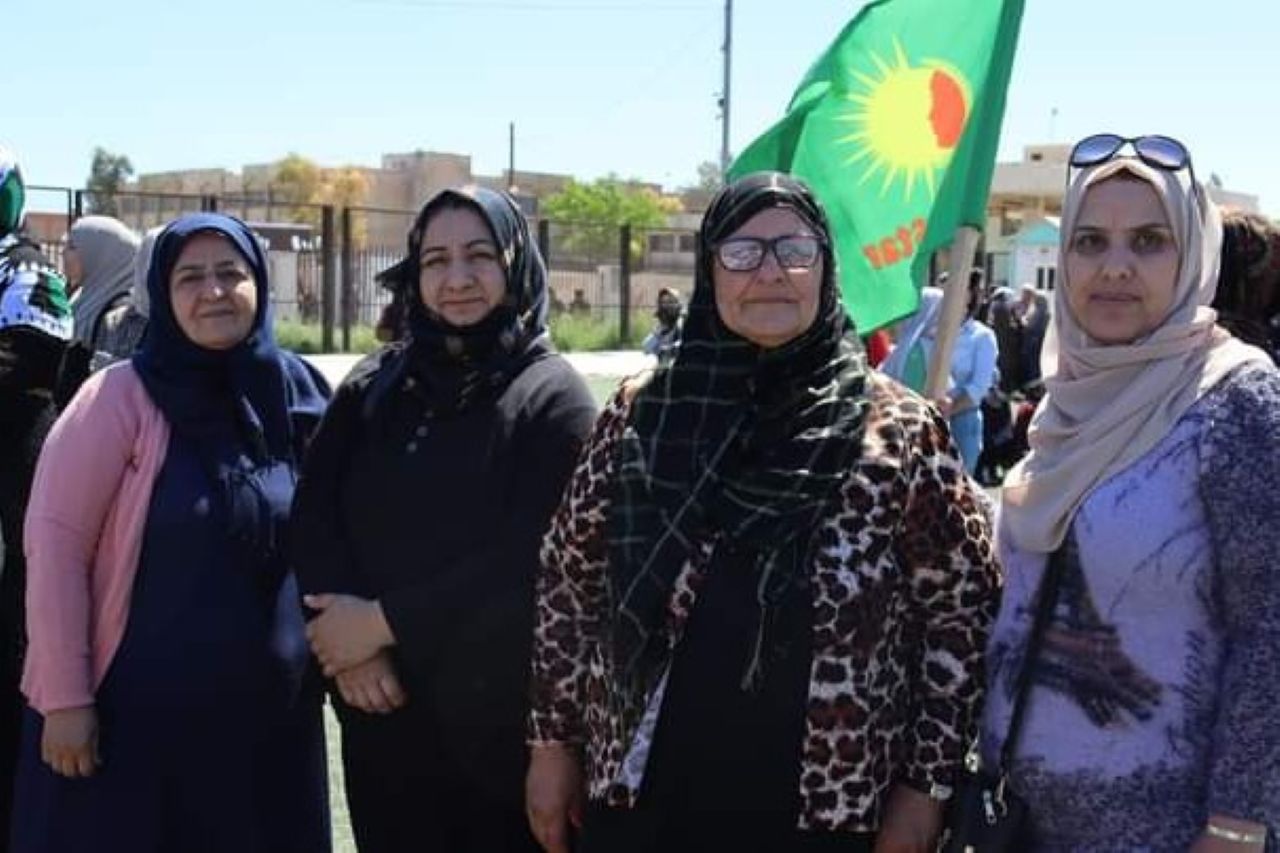
OUR COMMON PATH
We at Un Ponte Per, who have been present in North East Syria since 2015, have been actively supporting the Mala Jin since 2021, when we first met them. Over the years, we have devised various projects to support their work, and to respond to the demands that the activists have made of us. Among them, that of providing ongoing training to women workers on combating gender-based violence, to make their already valuable work in the communities even more effective. But also to help with material support, by providing the Women's Houses with basic things such as computers, awareness-raising campaign materials, furniture.
Together, we collaborated in organising public events on important occasions to raise attention to the status of women, such as the 8 March mobilisations and the 16 days of activism against gender-based violence. And again, we tried to understand the needs of the population by conducting surveys and awareness-raising sessions together.
Despite these efforts, economic support remains a challenge for the Women's Houses, as well as for all the associative and political realities operating in north-east Syria. The activists still need material support, to run the spaces created for the survivors, as well as continuous training to make their impact even more effective. But they also need knowledge and visibility: in a West that retains strongly colonial postures, knowing and respecting the work and experience of feminist movements located in the geographical space of West Asia and North Africa is crucial.
In a context of militarisation, uncertainty and political instability, the presence of local feminist realities remains central. Today we pay tribute to their commitment and vision to combat gender-based violence and build a future of freedom and self-determination.
Ambra Malandrin
Protection & Education Coordinator