On 28 May, the end-of-project conference of 'Tatweer 2', which has seen us support over 500 Iraqi civil society associations and organisations in recent years, was held in Baghdad.
On a hot and windy summer's day, representatives from all Iraqi provinces, delegations from the government and various ministries, as well as a European delegation in Iraq, gathered to take stock and reflect on the scope and achievements of the 'Tatweer' project, which has reached the end of its second phase.
A conference that has welcomed a multitude of voices that have come together in recent years to demand rights for women and minorities, environmental justice, freedom of expression and coexistence between communities. Created to give a space for expression and confrontation to those who in recent years have fought for a freer and more inclusive Iraq, Tatweer in this not only represents a project, but a collective action that has united, from Basra to Kurdistan, a society committed to change and to building a future of peace and coexistence.
Summarising the overall results of Tatweer, Bahman Hassan, project manager of Tatweer, highlighted the overall impact of the project: in addition to the support provided to more than 500 local associations and organisations, more than 376 services were delivered, in workshops covering training on fundraising, project writing, public policy, project management, among others.
In Iraq, a country that has been scarred by wars and conflicts for decades, with repercussions that have lasted for years and wounds that are still open, civil society is committed to supporting a profound, radical change, driven by hope and stories of resistance that have given proof and concreteness that a different future is possible, and in part is already here.
This is testified by the numerous experiences gathered by 'Tatweer', which succeeded in uniting different contexts and fields in a path made up of different themes and contents: among them , climate change and the environment, combating gender-based violence, prevention of violent extremism, human rights (with special attention to women and minorities), environmental and climate justice, peacebuilding, and more.
During the event, Hasan emphasised that the importance of 'Tatweer' is to be found in its concrete and positive aspects to the development and empowerment of Iraqi civil society, 'through the provision of essential resources and equipment for the workers, as well as numerous training and counselling services provided in our five provincial centres'. But it is necessary for the international community to continue supporting Iraq and civil society, as 'changes achieved so far have been instrumental in transforming the country's public policy landscape, encouraging the active participation of young people, women and civic actors in the life of civil society and thus helping to alleviate the challenges faced by citizens and the community as a whole'.
"This project led to the opening of five centres in Mosul, Erbil, Baghdad, Ramadi and Basra. We asked ourselves what the local realities we wanted to support really needed, and from there our approach was born,' says Raid Mikhael Shabah, Country Director ofUPP in Iraq.
"These centres could help support Iraqi civil society, but it was necessary to organise the complete management of a non-governmental organisation for these centres to function and to be able to implement projects and programmes. We also provided small funding so that these NGOs could implement projects and programmes. For civil society, and especially for smaller organisations, the lack of funds was an obvious problem'.
That is why 'Tatweer', explains Mikhael, has taught local organisations not only how to realise their projects, but also how to write a project, how to prepare a financial plan, how to manage it 'from scratch to the end'. But that's not all. It has enabled the creation of a network in Iraqi civil society. Through the various associations, in fact, it was possible to reach even those more isolated realities, which were often not even intercepted by donors, because they were too far away or in areas difficult to reach. "There are governorates in Iraq where nobody really comes. But with these centres it has been possible to get there".
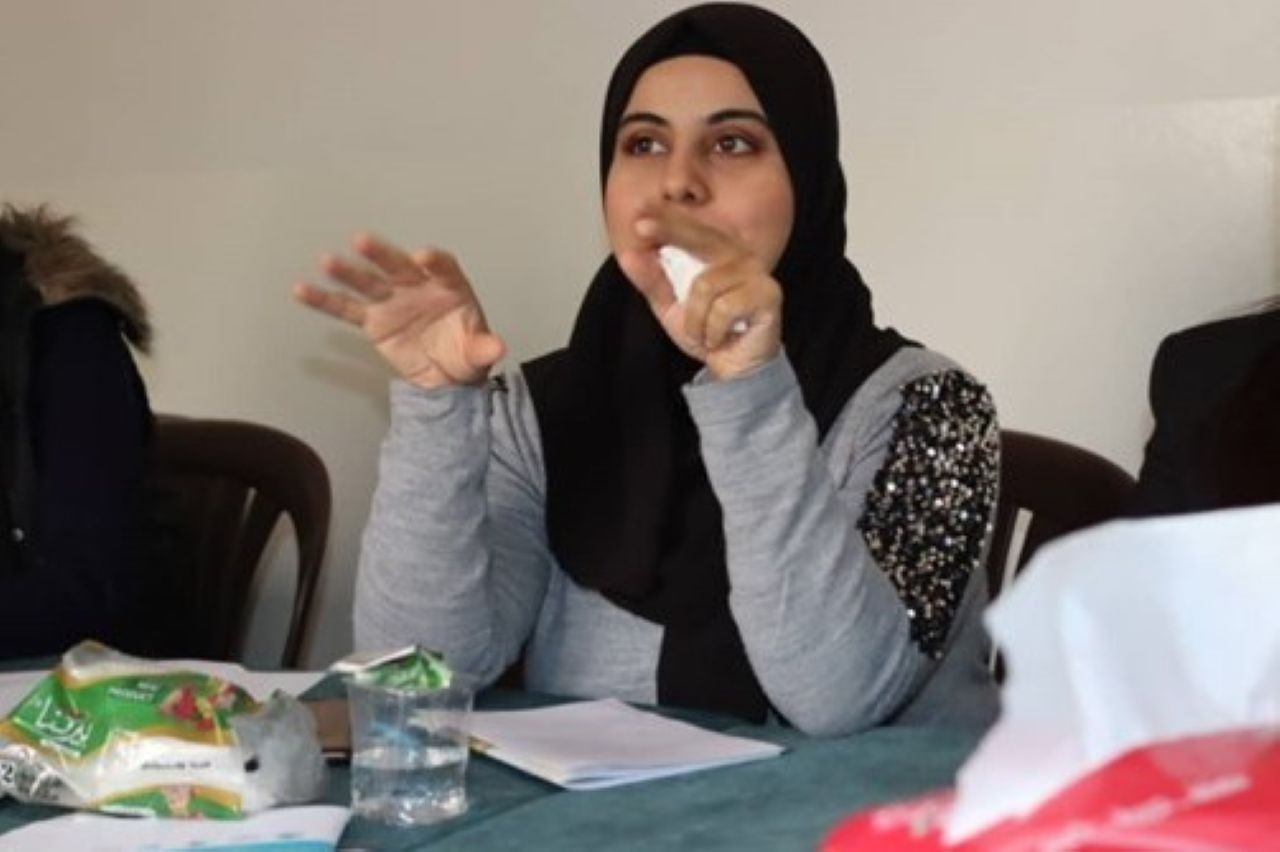
Ajyal Charitable Society for the Development of Intelligence and Creativity is an association that has set up a project called 'Balsam', an orientation and support centre for women and girls who are victims of physical harassment in the community of Diyala province. Mohammed Mundas Ali, project manager of the organisation, says that the Balsam centre has supported over 140 women, providing them with information to share with other women to encourage them to go to the centre.
The organisation works with more than 10 institutions and government offices in the Diyala area, distributing brochures with numbers, contacts and information on the services offered. Anyone visiting these institutions can be directed to the centre if needed.
"An emblematic story is that of a girl with disabilities, whose family initially prevented her from participating in the centre. After dialogue with the operators, the father agreed, and the girl was able to access a psychosocial support programme and a project for economic autonomy," says Mundas Ali.
But other projects are being implemented and developed for the future. Thanks to a small amount of funding, a beekeeping activity was started, involving men and women in honey production with the aim of fostering collaboration between the sexes to reduce incidents of gender-based violence, extremism and conflict, especially in the villages.
The organisation has also written a proposal to promote women's involvement with members of parliament and is working on a proposal to involve them in dialogue sessions with candidates in the Iraqi parliamentary elections next November. 'So that women's issues are brought to Parliament and new laws in their favour are promoted, should they be elected'.
Lavinia Nocelli - Communication Intern, UPP Iraq
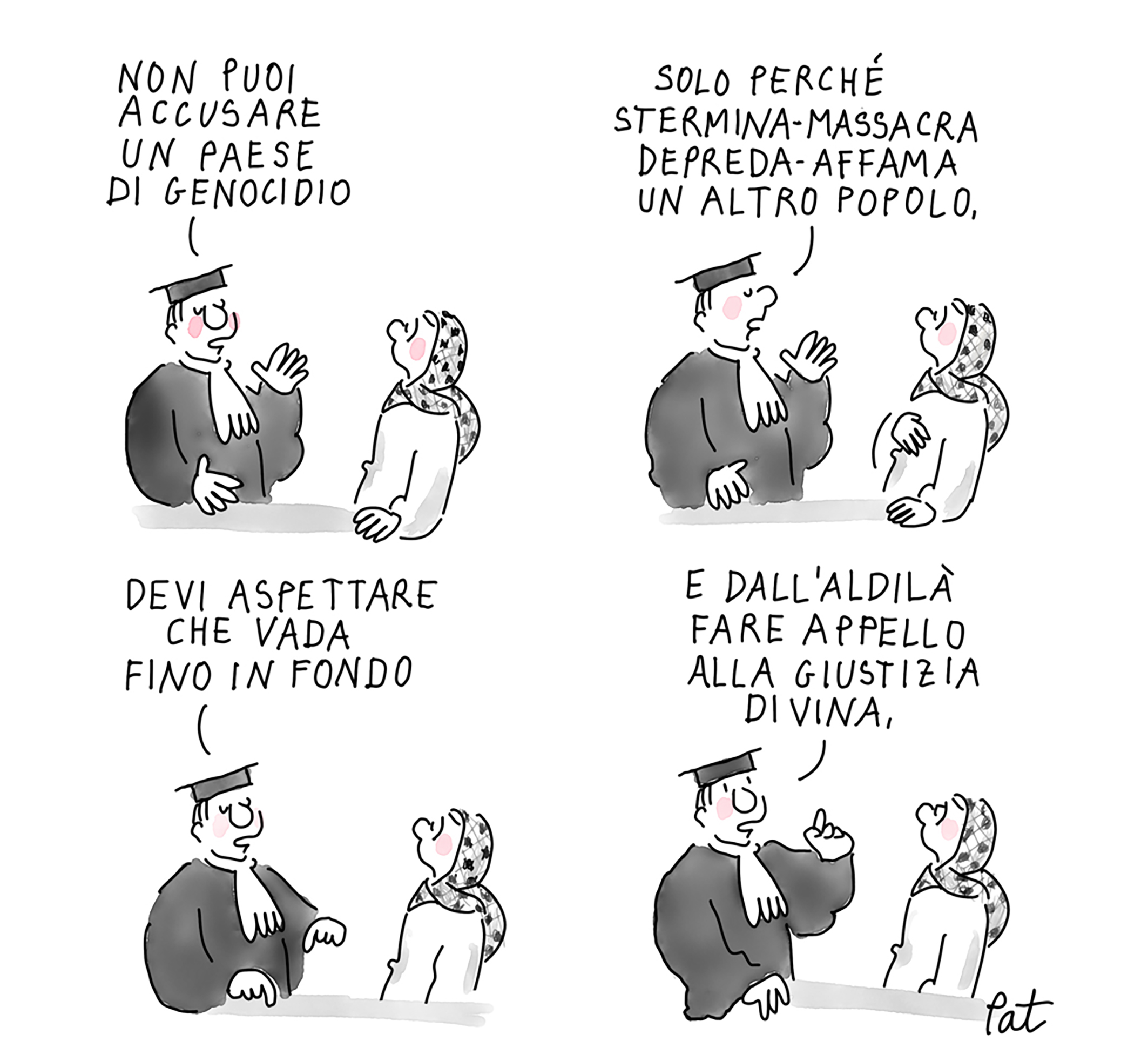
Cartoonist, feminist, author, ironic activist, Pat Carra is many things, and all intertwined. Born in Parma, she has lived in Milan since 1977, a city that she feels has been disrupted by the so-called 'urban regeneration' of recent years. This year Pat donated to us at Un Ponte Per la Tessera 2025. We met her for the occasion and she told us about her life journey, through the weapons she masters best: cartoons. Let's start from the beginning.
Although she started working at a very young age, she never attended an art academy - "my drawing was born self-taught, far from the academic canon" - and perhaps it is precisely this freedom that "allowed me to build a more direct, personal, edgy language and graphic style".
Even as a child, Pat says she felt the need to use drawing to react and process anger in the face of bullying.
Then, the encounter with feminism. "In the 1970s, I started publishing with feminist collectives: posters, books, catalogues. Always using irony and a satirical key'. This is how the cartoon became political expression and a tool for critical thinking, an alternative to established ideologies. "Humour is the only form that has allowed me to never really embrace a preconceived slogan. It is my guarantee of authenticity." In 2019, after the closure - due to a Bayer-Monsanto legal attack - of the historic Aspirin magazine, Pat co-founded Weeds. Weed-resistant forms of life, a self-deprecating, eco-humorous publishing project. "There we understood many things: about pesticides, about agro-industry, about the power of humour as an antidote. We don't call ourselves eco-feminists so much as eco-humourists'.
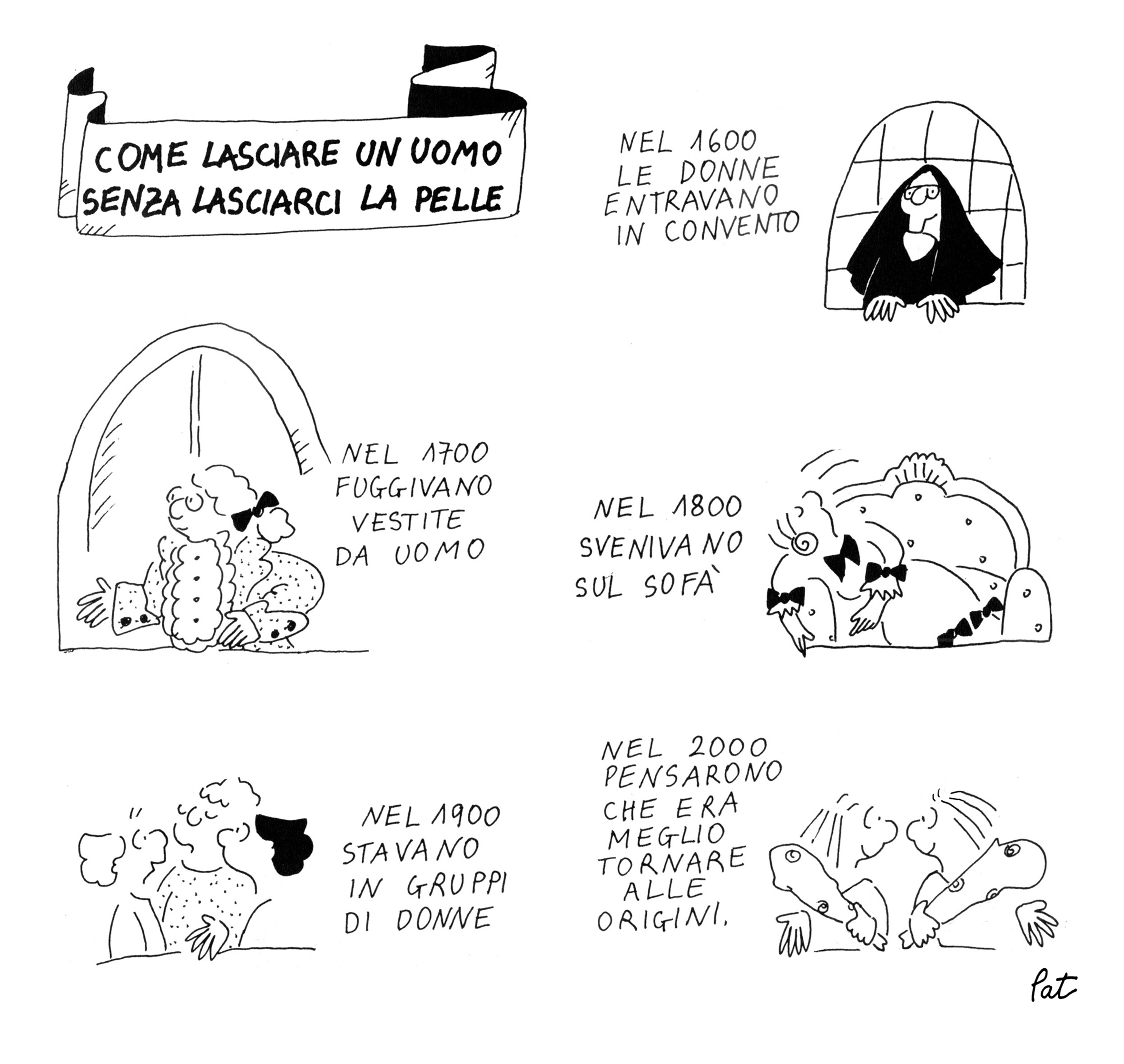
Many of her works intertwine feminist reflection, war and systemic violence. Like the cartoon strip How to Leave a Man Without Leaving Your Skin, published in 1987, unfortunately still very topical. "It is a strip on gender violence, when the term feminicide was not yet used. A comic strip that for me remains central, because it goes beyond the pain, it tries to find a way to save itself. The return to the club symbolises just that'.
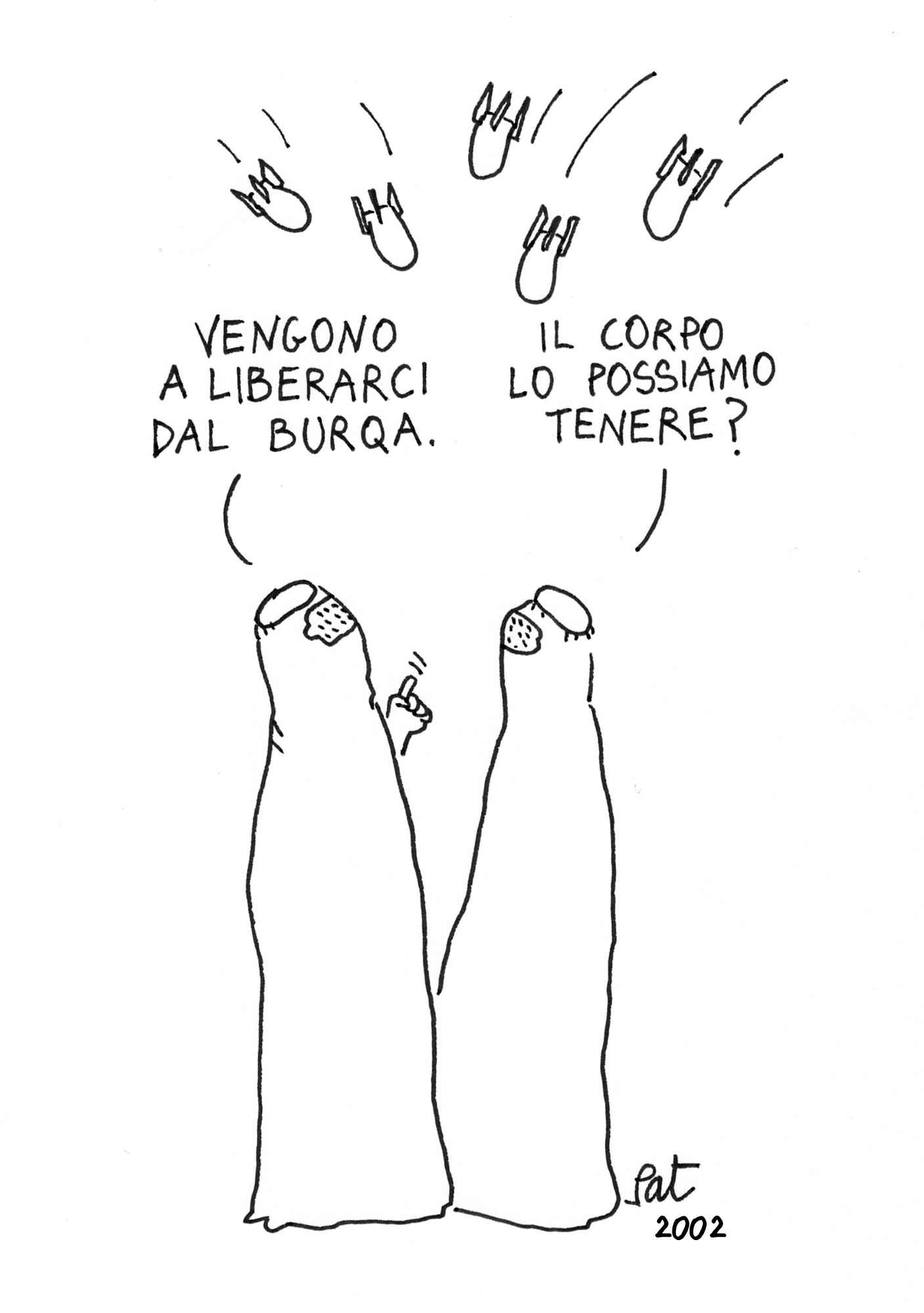
Pat was among the first to depict the connection between war and patriarchal violence with cartoons. "I started with the war in the Balkans, then Afghanistan and post-9/11 Iraq. One of the cartoons showed two women wearing burqas while it rained bombs: one said They come to free us from the burqa, the other asked Can we keep the body?".
War, which for the cartoonist personifies the ultimate patriarchal embodiment: 'Vandana Shiva says that extinction is the only way patriarchy deals with things that are alive and free. It is what people like Trump or Netanyahu do with bombs, along with many other powerful people, men and women'. Despite the moment in history when wars and genocides go on live social, Pat has not lost faith in the future. "I trust young people. I see in them a new, real sensibility that turns less to the other side".
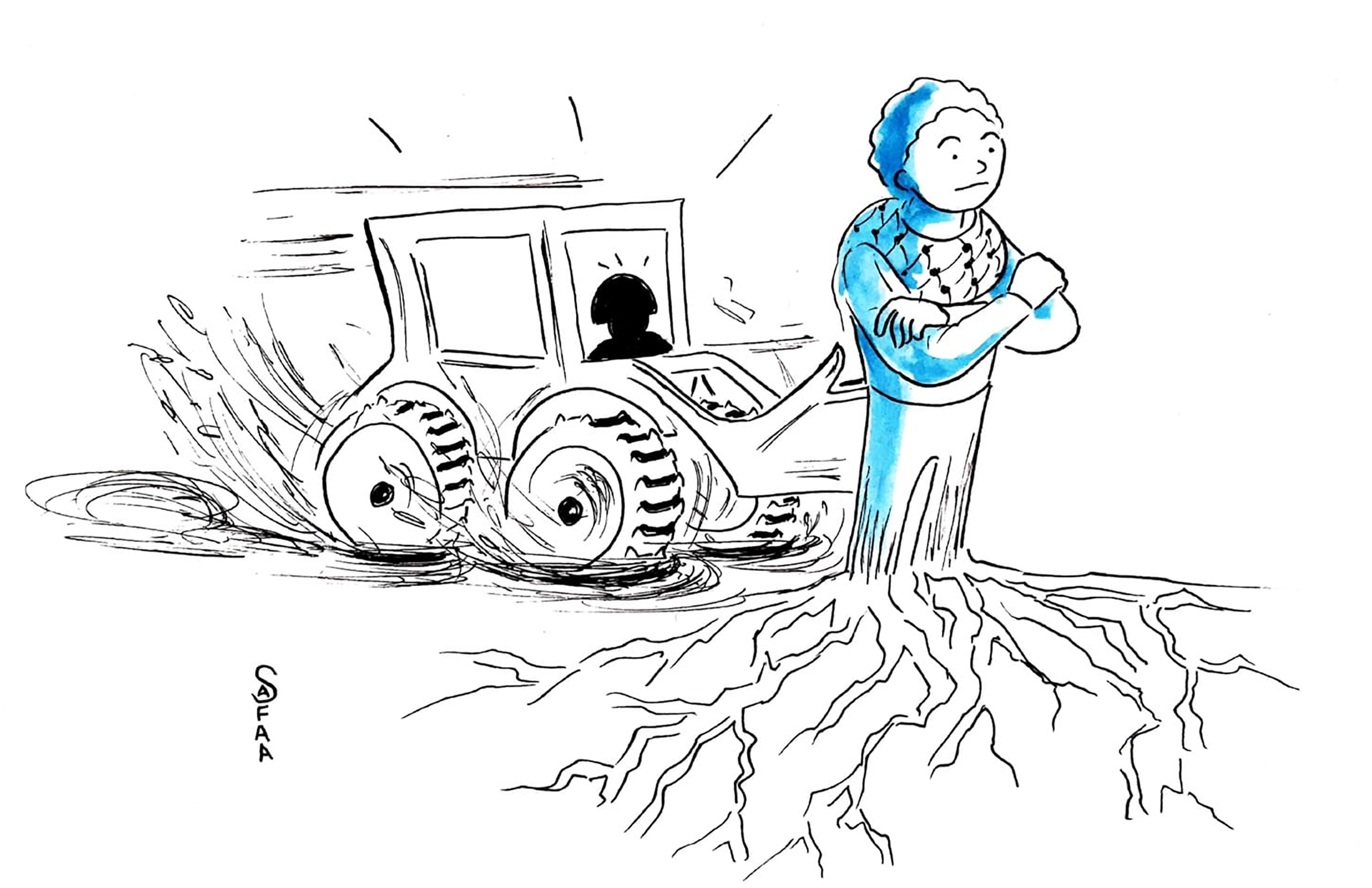
Disillusionment with Western institutions, particularly European ones, is strong - 'the abstract idea of rights has chiselled itself into nothingness' - instead, trust remains in real connections with people. "For me, Un Ponte Per is a living interweaving with a piece of the world. The tile I drew, with those bodies stretching out like a bridge, comes from there. It is the body that connects, it is the relationship of human solidarity that builds'. Like the one for Gaza and its people, subjected to unspeakable suffering. "I have been in continuous contact for months with Safaa Odah, a Palestinian cartoonist from Gaza.
A tent in Palestine, his weekly column in Weeds, is for me and the editorial team the strongest bridge at the moment. Safaa cannot leave the Khan Yunis refugee camp, yet we manage to continue writing to each other. I live in anxiety when a reply from her is late in coming. Words, like comics, build bridges when they seem impossible. I sincerely hope to embrace her one day live'.
After many years of career, today Pat also looks with concern at the digital world and the evolution of work, 'too often throttled by platforms'. In his latest book, The Digital Labourer and Other Stories, he reflects on the continuity between agricultural and technological exploitation. "I tried to parallel the agricultural struggles of the farm labourers with the allotment of the web and global technocracy. From there the idea of the digital labourer was born: one who fights against the big web oligarchs. Amazon, Google, the major social platforms, they are the new masters. And our bodies - even in front of the computer - continue to pay a high price for their wealth'.
Pat Carra continues to experience art in some ways as a physical gesture, an exercise in endurance, unafraid of the pitfalls of artificial intelligence."I tried to ask the AI just one question: can you make a cartoon about war? It replied that you can't do humour on such serious topics... and to think that I have done so many."
A solidarity caravan has reached the Rafah crossing point, while the Strip sinks amid bombs, hunger and isolation. In these lines, we report the account of those who were there: voices and stories from the border of the siege.Interview with Giulia Torrini, co-president of Un Ponte Per.
In Gaza, people are dying of hunger, thirst, bombs and silence.
In the days from 17 to 19 May, while the international community stammered and the Western chancelleries divided themselves between timid warnings and diplomatic complicity, an Italian delegation decided to break the deafening immobility. Sixty members of parliament, MEPs, reporters and activists reached the Rafah crossing point to denounce the Israeli siege and the systematic use of hunger as a weapon of war.
The Gaza Strip has sunk into an abyss of inhumanity. Since 2 March 2025, no humanitarian convoys have crossed the borders: water, food and medicines remain blocked at the borders under Israeli control. The United Nations is sounding the alarm: over 14,000 children risk death from hunger and dehydration in the next 48 hours. UNRWA denounces the impossibility of distributing the remaining aid due to the continuous restrictions imposed by Tel Aviv.
In the almost choral silence of the international community, the figures become an epitaph: more than 53,000 Palestinians have been killed since the beginning of the Israeli military operation in October 2023. Entire families wiped out, health infrastructures reduced to rubble, schools turned into targets.
Confirming the systematic brutality of this offensive, on 19 May, the day the Italian delegation was still at the Rafah crossing, Israel ordered the immediate evacuation of Khan Younis and launched an unprecedented air attack on the town. Within an hour, hospitals, homes and civilian infrastructure were hit: at least 135 were killed, hundreds injured. Thousands of people, many already displaced, were forced to flee once again, without destination or protection. The war against the civilian population continues unabated; meanwhile, humanitarian aid remains blocked at the borders.
In an interview, Giulia Torrini - president of the Un Ponte Per organisation and member of the Italian delegation present at Rafah - recounts the moments she experienced near the crossing: 'During our stay at the Rafah crossing, explosions followed one another at regular intervals, every eight or ten minutes. The roar was sharp, penetrating, impossible to ignore'.
While the Netanyahu government declares the objective of 'total control' over Gaza in the name of the fight against Hamas, another truth takes shape on the ground: that of a strategy that many voices, without hesitation, define as ethnic cleansing masquerading as a war against terrorism. The rhetoric of security is thus being bent to justify a war of annihilation, which mainly affects unarmed civilians.
CAIRO: THE VOICES OF THE SURVIVORS
The recent initiative of the Italian delegation, promoted by AOI, ARCI and Assopace Palestine, took on a significance that goes far beyond symbolic solidarity. It was an explicitly political initiative, conceived as an act of rupture against the silent complicity of European institutions and the West's hesitant diplomacy. The presence at the Rafah crossing was not only intended to urge the entry of humanitarian aid, but to openly denounce the international legitimisation of a regime that, with its siege of Gaza, is waging a systematic war against the civilian population.
Torrini recalls the meetings with the Palestinian community in exile that took place in the days leading up to the arrival at the crossing: 'In Cairo, we met what we could call the "survivors": journalists, aid workers, activists who were refugees in Egypt, mostly women. They did not just share their stories: they confronted us with our responsibility, laid us bare, without discounts.
The testimonies, particularly during the confrontations with the political component of the delegation, were direct and incisive. Some activists bitterly expressed their conviction that not enough is being done, pointing out that for months images of violence have been observed and shared without this leading to concrete change. One young woman also raised the question of the use of those images, believing that their dissemination could take away the dignity of the victims, turning them into a spectacle for a now insensitive world. According to her, if even the sight of those bodies cannot shake consciences, perhaps it would be better not to show them at all'.
A provocation, certainly, but also a deeply true statement. A denunciation of Western voyeurism, of our progressive moral anaesthesia.
During these meetings, journalists such as Abdel Nasser, aid workers and activists from the Union of Agricultural Work Committees (UAWC) spoke about the destruction of 90 per cent of the agricultural land in the Gaza Strip: 'A direct attack on food self-sufficiency, part of a strategy that uses hunger as a weapon of war,' reports Torrini. "A worker from the association Vento di Terra told of being evacuated nine times before managing to find refuge in Egypt, exhausted by an existence always under threat. However, he recalled that even there, life for a Palestinian refugee remains extremely difficult. One is not free to work, study, move around. It is the systemic condition of the Palestinian diasporas, from Lebanon to Syria'.
Torrini also recounted another significant moment of the day: an in-depth meeting with an expert on international relations.
Several key elements emerged during the discussion: the declining support of Hamas among the Palestinian population, the growing detachment between the leadership and civil society, but also the maintenance of a certain influence of the movement abroad. The ambiguous role of the Gulf countries, the progressive marginalisation of the Palestinian cause in the Arab agenda, and the total absence of political will on the part of the Israeli leadership to embark on a diplomatic path were all mentioned. According to the shared analysis, Tel Aviv's strategy would not be limited to a containment of the conflict: rather, it would aim at the definitive elimination of the Gaza Strip. Not crisis management, but a systematic project of annihilation.
RAFAH: A POLITICAL GESTURE ACROSS THE BORDER
"The Egyptian soldiers guarded the pass motionless, engines switched off, weapons in their arms: a mute and absent presence. And there we were, in silence broken only by the explosions, punctual every eight minutes. A surreal silence, barely cut by the chirping of birds - you can hear it in the background in all our telephone audio as well. And in the midst of all this, shouting 'Free Palestine', 'Stop the Genocide', 'Stop Illegal Occupation', in English, to break that silence - even though we knew very well that no one was really listening to us - was an act of breaking, a political cry.
The gesture of leaving soft toys and toys on the Egyptian border, unable to cross the border like the girls and boys for whom they were intended, has become the emblem of a powerful protest. Fragile, childish, helpless objects: symbols of a torn childhood. A cry addressed to Europe to stop covering with the language of diplomacy what, in fact, is an ongoing violation of international law.
"To be there, with almost 20 parliamentarians and MEPs in the front line, displaying placards with the faces of European leaders - the same ones who continue to deny the reality of an ongoing genocide or remain inert in the face of the blocking of humanitarian aid - was very strong. And then those puppets, those little clothes scattered on the ground, accompanied by the chalk mark normally drawn around corpses at crime scenes... it was a visual denunciation. In that desolate, empty square, where trucks laden with aid once thronged, today nothing passes by any more'.
With this action, the delegation restored dignity to the word 'presence', transforming it into active witness and direct denunciation. No more generic appeals, but a precise question: where does European policy stand when borders become barriers to life?
GAZA: REPORTERS UNDER THE BOMBS
In a context where the truth is often reduced to the silence of rubble, even the word of reporters becomes a target. At the Rafah crossing, 14 female journalists launched an appeal with a clear and inescapable tone: 'Stop shooting at journalists'. A cry born of the urgency to denounce what is taking place in the shadows. Since 2023, more than 220 Palestinian reporters have been killed under Israeli shelling; dozens are detained and held in prisons, their families persecuted. In the absence of the international press, kept out of Gaza for over 19 months, it is they - exposed and isolated - who are the only eyes left to tell the story. Some, in order to stand out, wear improvised vests with the inscription 'PRESS', which protect them from nothing but invisibility. 'The press is not a witness to the conflict: it is a target', they write. And this is perhaps the most dramatic detail of a conflict that those who document fear. The appeal of the women journalists from the Rafah crossing is addressed to Europe and the world: they ask for the protection of Palestinian reporters and access to the Strip for the international press to be guaranteed.
"A Palestinian journalist," Torrini continues, "explained to us that local reporters now move around inside their homes without wearing the bulletproof vests marked 'PRESS'. Those same vests, which should provide some semblance of protection, are now no longer provided. Nothing comes any more: neither helmets, nor protectors, nor any kind of safety material. Therefore, many journalists make do with makeshift means: they stuff their vests with sponges, recreating a kind of symbolic uniform. It is no longer a means of protection, but a gesture of dignity, almost a form of resistance, a way of saying 'we are there', even though they know perfectly well that those handmade paddings will never save them from a bullet, let alone a bomb'.
EUROPE MOVES, BUT TOO SLOWLY
Under increasing pressure from public opinion and some member states, the European Union announced the revision of the association agreement with Israel, invoking the human rights clause. The UK also suspended trade negotiations with Tel Aviv, while France and Canada threatened sanctions. However, these measures appear belated and insufficient in the face of what many are calling an unprecedented humanitarian catastrophe. Meanwhile, the Israeli army insists on civilian targets: emblematic is the attack against a diplomatic delegation visiting Jenin, in the West Bank, which triggered condemnatory reactions from several European governments.
'Arriving at the Rafah crossing had a strong echo in the Arab world,' Torrini comments. 'We ended up on Al Jazeera, on I Am Palestine, on various Middle Eastern media. It served to tell, to circulate another narrative. Perhaps it is no coincidence that, immediately after our return, some European leaders started to raise their voices. Three MEPs were with us in Rafah. A few days later, the President of the European Commission called for a review of the EU-Israel Association Agreement. Italy and Germany opposed it, predictably, but something moved. The rest of Europe began to react.
As Italian activists, we know that we are in a delicate historical moment. Our government, like previous ones, continues to boast of its 'friendship with Israel'. But this rhetoric is beginning to show cracks, especially compared to other European countries that - albeit slowly and not out of sudden moral conscience - appear to be struggling in the face of growing public pressure'.
Today, international civil society has a margin for action, albeit limited, to denounce the inaction of its governments. In this context, the direct confrontation between the solidarity caravan and local realities has led to the drafting of an official document, addressed to the Prime Minister, with the request for a clear and unequivocal stance against the war.
The symbolic and political significance of this initiative will depend on the ability of the oppositions to remain cohesive and recognise the centrality of the Palestinian issue. The testimonies heard on the ground, the numbers of civilians killed are evidence that can no longer be ignored.
"The Palestinian issue today is much more than a local conflict: it is a reflection of a new global paradigm. On the one hand, a colonial power that uses apartheid as an instrument of conquest and territorial control; on the other hand, an international humanitarian system that, born after the Second World War to protect peoples affected by conflict, is today degenerating into a commercial, even profitable mechanism. Humanitarian aid has become a political lever and its operators are now declared targets. Some fear that we are moving towards a model in which assistance is entrusted to private foundations or pro-Western organisations, supported by Israel and the United States, emptying the very concept of international aid of meaning and legitimacy. In this context, the US decision to cut USAID funds and dismantle the cooperation agency is a clear signal'.
Palestine, in this framework, becomes a laboratory. An experiment. What happens there prefigures models destined to be replicated everywhere: in any context of occupation, siege or colonisation.
'This is why politics must act,' Torrini concludes. "If degradation consolidates in Palestine, it risks spreading everywhere. And this is where political as well as moral lucidity is needed. During the delegation's stay, with jurists and academics, we discussed at length not only the legitimacy of the term genocide, but also the solid international legal framework that already exists: from the rulings of the International Court of Justice and the International Criminal Court, to the legal instruments available to European governments to impose sanctions. The instruments, therefore, are there. What is lacking is the political will. This is demonstrated by the fact that the motion tabled by the opposition to suspend sending arms to Israel was rejected. On the other hand, the majority's motion to make further military purchases from Israel passed. Yet a responsible government should neither sell nor buy weapons from a state that is, in fact, massacring a civilian population as such. In theory, everything is clear, but in practice, the actions continue to fall short'.
Rearmament distances peace Together we build an anti-war movement in a Europe of solidarity
The call for a demonstration on 15 March next, born from an idea of Michele Serra and picked up first by La Repubblica, then by parties and movements, does not convince us. Especially today when Europe, through the 'Rearm Europe' programme, chooses to spend 800 billion euros on an enormous rearmament programme.
Eight hundred billion euros spent on stockpiling weapons, supplying our armies, filling our arsenals with bombs and drones. This is not the Europe we want. That is why, on 15 March, we of Un Ponte Per non will be in the square.
These are funds that would further impoverish already meagre budgets, putting the growth of military spending and the arms business before the necessary investments in the social, for an ecological transition, to combat economic and gender inequalities. As we witness the collapse of the value of international law in increasingly unstable geopolitical scenarios, we fear that this square does not represent us.
We are convinced pro-Europeans, but not of this Europe that makes war to seek peace. We are in favour of disarmament and against nuclear rearmament, and we support the need to resume the path begun in Helsinki in 1975 for the creation of a common and shared security system. We would like to relaunch, 30 years after the Barcelona Euro-Mediterranean Conference, the idea of a Mediterranean that is a sea of peace and cooperation.
These modern times have little to do with the beautiful post-war Europe, the 'free and united' Europe that was imagined in Ventontene. Today, the American dream is a violent act to monetise the money invested over the years in military aid: it claims chunks of Ukraine, dreams of building resorts in Gaza, threatens invasions while starving the world, cutting global spending on international cooperation.
And what does Europe do? It goes into debt and spends on weapons, fortifies itself on the skin of human, social and environmental rights. To make money for the military industry, it jeopardises decades of democratic freedoms and the possibility of stopping the ecocide of our planet.
It is not enough to say 'Europe' if we do not say 'which' Europe we want; if we omit from that appeal the opposition to rearmament and do not even accidentally mention the genocide in Palestine or the very serious attacks launched against the institutions responsible for the protection of international law such as the International Court of Justice and the International Criminal Court.
Aware that many pacifist forces will be in the streets in many Italian cities, carrying peace flags, and with respect for all the citizens who will decide to demonstrate for their idea of Europe, we at Un Ponte Per choose not to participate in the call of realities and parties that too often confuse increasing military spending with building peace.
We know that new appeals have been made, aimed at correcting the initial line all bent towards rearmament and the continuation of wars. This is a positive fact, but in our opinion insufficient to change the potential instrumental use towards militarist drifts that some of the adherents explicitly hope for.
What is needed is a collective campaign to demand not to invest in weapons but in cooperation, to work with civil societies to prevent and transform conflicts and violent extremism. A mobilisation against the great powers that plunder natural resources and impose partitions, deportations and ethnic cleansing. It is increasingly urgent to build a transversal Europeanist movement for peace and justice among peoples. That is why, from 16 March, we will be at the forefront of building a mobilisation against 'Rearm Europe'.
Un Ponte Per
An unprecedented humanitarian crisis: in north-east Syria, the health system is at risk of collapse.
Hospitals without drugs for life-saving operations. Clinics in camps for displaced people without medical staff. Ambulances stopped due to lack of fuel.
This is the devastating reality we are facing in north-east Syria after the US administration's decision to stop funding USAID. A decision that, overnight, has left millions of people without the essential support they need to survive in an area that still depends entirely on international aid. And we, who have been working on the ground since 2015, see the effects of this catastrophe every day.
Due to the suspension of USAID funds announced on 20 January, which resulted in the closure of 90 per cent of the agency's programmes on the evening of 25 February, more than 4.5 million people in need of life-saving humanitarian assistance are at risk of being left without support, and that in north-east Syria alone.
It is urgent that every person in solidarity chooses to donate to curb this drama.
This is witnessed by Lavinia Brunetti, Un Ponte Per worker from the Areesha camp, in the TV2000 report.
HUMANITARIAN AIDUNDER ATTACK
Trump's is a real attack on international aid, which as of mid-February has already led to the interruption of61% of services that provide access to primary and secondary health care, 54% of programmes to protect against gender-based violence and the exploitation of child labour, 56% of programmes that now provide access to clean water and basic sanitation, and 53% of food security programmes.
Our Director General, Martina Pignatti Morano, makes an urgent appeal:
"The suspension of USAID funds is exacerbating an already deep humanitarian crisis in Syria, leaving millions of people without access to essential services. In a country ravaged by 13 years of conflict, this decision is forcing international and local humanitarian organisations to scale back, if not stop altogether, vital operations, particularly affecting the most vulnerable in the communities: women, children and girls, and displaced people who are entirely dependent on international aid."
This is an unprecedented crisis that affects the entire country, but which becomes particularly critical in the north-east: here, more than 100 health facilities in the governorates of Deir ez-Zor, Hassakeh, Raqqa and Aleppo risk total closure between March and April 2025.
In camps for displaced people, the disruption of health services and vaccination programmes is exposing children to deadly diseases such as measles and cholera, with the risk of an alarming increase in child mortality. Local organisations, pillars of the humanitarian response, without international support are running out of resources to provide assistance.
Without immediate action, the entire Syrian healthcare system risks collapse. The lives of thousands of people suddenly deprived of primary medical care are at risk.
THE RESPONSE OF A BRIDGE TO
We at Un Ponte Per have been working in north-east Syria for 10 years, supporting the population in the difficult process of rebuilding a public health system and responding to the humanitarian needs of the population. Over many years we have been through numerous emergencies, attacks on health facilities and infrastructure, as well as natural disasters, and we have always continued to do our part, standing by the side of the most vulnerable communities.
To date, our interventions have provided 1,640,000 people with access to primary health care, protection programmes for women and children, clean water and sanitation. People who count on our support.
These included more than 100,000 residents of camps - including the one in Al Hol - and 700,000 who relied on the Hassakeh National Hospital, which provided free treatment to 1,300 patients every month , including 300 mothers with theirchildren.
We are doing everything we can to keep the essential services of the Hassakeh Hospital and the clinics in the camps operational. Thanks to the donations we have received, we have ensured the coverage of the hospital's need for life-saving medicines for the months of January and February. But all this is in danger of having to be suspended any day now: on 27 February alone, more than 450 people in the hospital were laid off, and without new funds, by 30 April most of the services in all the health facilities will be completely interrupted.
URGENT APPEAL
Our Director states this clearly:
"With the closure of the NGO projects that operated in the area, the poorest region of Syria is in absolute need of the solidarity of each and every one of us. Every donation, large or small, can now make a difference and will help us to guarantee care, provide medication and protection to support the population as we have always done, and for as long as it is needed."
On 20 January 2025, US President Donald Trump issued the Presidential Executive Order to reassess and realign US foreign aid, which imposed a 90-day stop on funding disbursements (expiring on 30 April) for development assistance around the world, in order to assess programme effectiveness and 'coherence with foreign policy'. The parameters of the review process are unclear and have not been made public, but the US administration has already started to cancel hundreds of USAID contracts and funding, effective immediately. A 'coherence' that has been translated on the ground into immediate cuts in aid to programmes for health care, education, protection and support for women's empowerment: a direct attack on humanitarian and development aid.
Are any Un Ponte Per projects affected by the USAID funding cut?
On 26 February, the Trump administration issued over 10,000 project suspension letters that reached UN agencies and numerous NGOs. These include Un Ponte Per, which has seen 90% of its activities in north-east Syria officially suspended, drastically reducing its capacity to support the operations of local health facilities such as the National Hospital in Hassakeh, Primary Health Care Centres in camps for displaced persons, Mobile Health Units and Ambulance Coordination Centres, which guarantee primary health services in internal medicine, paediatrics, gynaecology, treatment of infectious diseases, analysis laboratories and medical dispensaries, and psychological support to tens of thousands of people every month. These activities also offered the possibility of identifying cases of women survivors of gender-based violence, children and girls excluded from education and victims of child labour, early marriages, and accompanying them in dedicated support paths.
Why did Un Ponte Per choose to work with US funding in Syria?
Un Ponte Per first started working with USAID/BHA at the request of its local partners in north-eastern Syria to compensate for the progressive reduction of international funding for programmes active in the area. In January 2020, in fact, with the UN Cross Border Resolution, following the veto of Russia and China, the United Nations renewed humanitarian support to the country but halved the number of crossings through which aid could be accessed, closing those from Iraq and Jordan and leaving the north-east of Syria effectively isolated. Non-governmental organisations such as Un Ponte Per that have refused to register with the Damascus government since that year, so as not to come to terms with the dictatorial regime of Bashar al-Assad, have lost the possibility of accessing these funds, finding themselves forced to face serious humanitarian shortages without the necessary financial support. At the same time, since 2022, following the humanitarian emergency caused by Russia's aggression against Ukraine, EU agencies have gradually decreased their engagement in crisis countries such as north-east Syria to focus their resources on responding to the Ukrainian humanitarian emergency, increasing the gap between available funding and the need to respond to the population's needs.
What will happen on 30 April?
On 30 April, the 90-day suspension of USAID funds ends, and it is very likely that funding for programmes already notified of the suspension will be confirmed, a cut that will disproportionately affect Syria's most vulnerable communities who, after almost 14 years of conflict, depend entirely on aid for their survival.
In north-east Syria, the consequences of this decision could be catastrophic, if alternative sources of support are not found, the health system risks collapse: hundreds of thousands of people will be left without life-saving assistance, basic care, medicines, further aggravating an already dramatic humanitarian situation. Finally, this could fuel tensions and unrest in camps for displaced persons and communities, creating fertile ground for the resurgence of extremist movements.
In this context, every donation can make a difference.
By Ambra Malandrin - Protection & Education Coordinator of Un Ponte Per
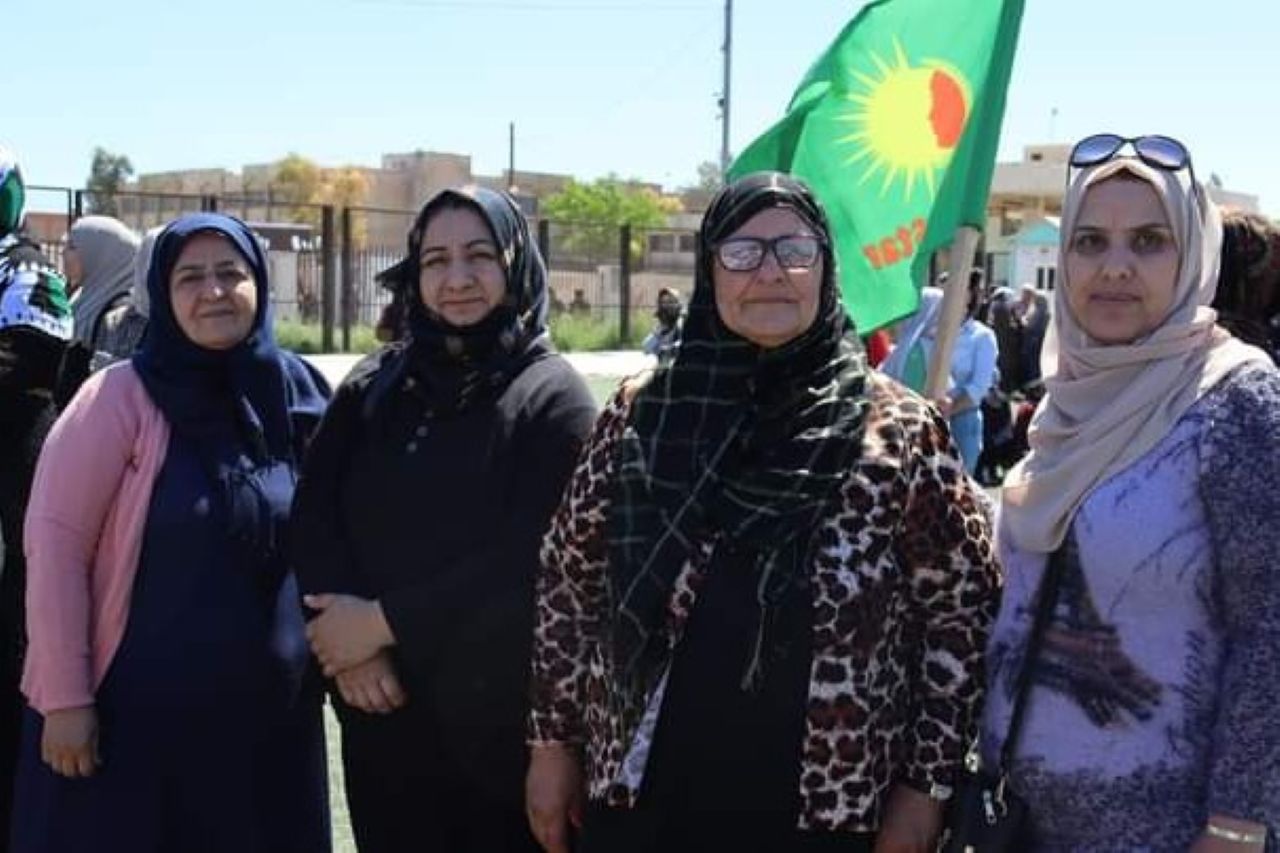
The'Mala Jin', as 'Women's Houses' are called in the Kurdish language, were established in Syria in 2011. The first was opened in Qamishlo, in the north-east, and immediately became a beacon of hope and resistance during some of the most difficult pages in the country's history. Created with the aim of combating gender-based violence and promoting women's self-determination, the Houses have had to overcome many challenges and obstacles over time.
During the years of occupation of territory by the Islamic State (Daesh), the Mala Jin worked in extremely dangerous conditions, facing threats from ideological systems that pervasively restricted women's freedom and rights. But even before, during the long years of the Asad regime, their capacity to intervene was severely limited by state policies that never effectively and systemically addressed the issue of violence against women.
Yet, despite the difficulties, the Mala Jin and the activists behind them have never given up, expanding their presence in the Syrian territory, and in the north east in particular. From Aleppo to Shehba, from Afrin to areas liberated from the presence of Daesh, activists have continued their work to protect, support and accompany women survivors of gender-based violence on their path to freedom and self-determination.
WOMEN'S HOMES IN TODAY'S SYRIA
Women's Houses are social spaces dedicated to handling marital and family disputes and defending women's rights, but also safe places where survivors or those still at risk of violence can find support, support and shelter - material and economic - together with their children.
Through capillary and grassroots work, with awareness-raising campaigns, denunciation through the media and presence in the community, the Mala Jin activists, in collaboration with the North East Autonomous Administration, and in particular with the institutions dealing with gender issues, today play a crucial role in protecting women from violence and feminicide. Managed on a voluntary basis, the Women's Houses now number 22, distributed between the cantons of Hassakeh and Qamishlo, where they address all the communities present: Kurdish, Arab, Christian.
In addition to providing spaces for protection, the activists also provide psychological and legal support to the women who turn to them. Considering that there are only two institutionally supported anti-violence centres in the entire area of north-east Syria, it is clear that the role of the Mala Jin is indispensable in a context where the network of social services and support for the population is still under construction.
To this end, Mala Jin activists also work as community mediators, attempting to resolve family conflicts and ensuring that women survivors of violence can access free legal protection, while carrying out valuable awareness-raising work with educational programmes aimed at adolescents, both in schools and in community spaces. Combining direct support with awareness-raising and advocacy, the Mala Jin reality represents a milestone in the fight for gender equality and women's safety: a vital resource for creating awareness and protection.
THE CHANGING POLITICAL LANDSCAPE OF NORTH-EASTERN SYRIA
This is particularly relevant in light of the current situation in north-east Syria, which is characterised by rapid changes and uncertain developments. While the territorial borders are shifting after the fall of the Asad regime, the general conditions in the country remain unstable due to the presence of militias and continuous Turkish attacks, especially in the areas of Mambij and Kobane. Uncertainty that weighs, of course, on the work of the Mala Jin, as political negotiations between the autonomous administration in the north-east and the new government forces that have taken control of the rest of the country remain under discussion.
Closely linked to the feminist movement and the 'Kongra Star', the confederation of women's organisations in north-east Syria, the Women's Houses have suffered significant losses due to the conflicts in the area. Their work is fully in line with the political project that the North-Eastern Autonomous Administration has set itself, to break down patriarchy and gender hierarchies within the community.
OUR COMMON PATH
We at Un Ponte Per, who have been present in North East Syria since 2015, have been actively supporting the Mala Jin since 2021, when we first met them. Over the years, we have devised various projects to support their work, and to respond to the demands that the activists have made of us. Among them, that of providing ongoing training to women workers on combating gender-based violence, to make their already valuable work in the communities even more effective. But also to help with material support, by providing the Women's Houses with basic things such as computers, awareness-raising campaign materials, furniture.
Together, we collaborated in organising public events on important occasions to raise attention to the status of women, such as the 8 March mobilisations and the 16 days of activism against gender-based violence. And again, we tried to understand the needs of the population by conducting surveys and awareness-raising sessions together.
Despite these efforts, economic support remains a challenge for the Women's Houses, as well as for all the associative and political realities operating in north-east Syria. The activists still need material support, to run the spaces created for the survivors, as well as continuous training to make their impact even more effective. But they also need knowledge and visibility: in a West that retains strongly colonial postures, knowing and respecting the work and experience of feminist movements located in the geographical space of West Asia and North Africa is crucial.
In a context of militarisation, uncertainty and political instability, the presence of local feminist realities remains central. Today we pay tribute to their commitment and vision to combat gender-based violence and build a future of freedom and self-determination.
An interview with Gulistan Issa, Project Manager of Un Ponte Per, outlines the ecological crisis in North-East Syria and the response of the Autonomous Administration, which is tackling the environmental challenges with sustainable initiatives, community management of resources and reforestation projects.
By Daniela Galié for DinamoPress*
In Northeast Syria, water has become a strategic resource and a matter of survival. The water crisis affecting Rojava is not only the result of an increasingly arid climate or old infrastructure, but the fruit of a systematic encirclement that aims to economically and socially strangle this political experience. Turkey's control of water sources and forced reduction of water flows have amplified an already dramatic shortage, exacerbated by war and international sanctions.
Once-vital rivers, such as the Xabur and Çaxçax, only flow for a few months of the year, while towns such as Hesekê survive on rationing and reservoirs. Agriculture, the mainstay of regional self-sufficiency, is in crisis. At the same time, groundwater pollution and the lack of efficient purification systems are turning drinking water into an increasingly rare commodity.
The water problem is part of a broader ecological crisis. Waste disposal, for example, is often entrusted to unregulated landfills located close to water sources. Air pollution, due to rudimentary oil refining and the massive use of diesel generators, contributes to a further deterioration of environmental quality.
Despite this, Rojava is responding strongly. The model of Democratic Confederalism has placed ecology at the centre of its politics, promoting bottom-up initiatives to counter the difficult environmental and geopolitical conditions.
Through reforestation projects, the reduction of the use of chemical fertilisers and the development of community water management strategies, efforts are made to ensure that water remains a right for all and not a weapon in the hands of external powers.
To better understand this emergency and the strategies adopted on the ground, we interviewed Gulistan Issa, Project Manager and Campaigner of the humanitarian organisation Un Ponte Per. Born in Hesekê in 1994, she lived and studied in Syria, graduating in pharmaceutical sciences from Homs University in 2017. Soon after, she started working with humanitarian organisations and now works on the ground, in Rojava, to help tackle an environmental crisis with deep political roots.
ECOLOGY AND SELF-MANAGEMENT: A MODEL OF ENVIRONMENTAL RESISTANCE
In Rojava, the Democratic Confederalism model is proposed as a project that integrates ecological principles into social organisation. The administrative autonomy of North-East Syria is based on a balanced relationship between community and nature, tackling with determination the limits imposed by available resources. The commitment to a political ecology is not only theoretical, but is translated into concrete initiatives. "A significant example is the existence at the University of Rojava of a Jinology faculty that deals with ecology and ecofeminism. This facility works to integrate ecological principles into everyday life, with a focus on the role of women in environmental management,' Issa explains.
The role of women in this transformation is crucial. Among the most active figures in this field is Berivan Omar, deputy co-chairwoman of the Local Government Department. "She and her team are doing important work, addressing environmental challenges and integrating ecological solutions into the self-government system," Issa points out.
In Rojava, sustainability is not an abstract concept, but a necessity for survival. "Ecology is considered a fundamental pillar," says Issa. "If you look at the self-management model and the social structure of the region, it becomes clear that the relationship between ecosystem and community is essential for sustainable living in Rojava."
WASTE MANAGEMENT AND HEALTH
In the context of a Syrian North-East in continuous emergency, waste management represents one of the most complex challenges for the Autonomous Administration. For decades, there has been no real waste collection and disposal system, let alone a structured recycling programme, throughout Syria. In recent years, a number of experimental projects have been launched that aim to radically transform this sector, although they come up against limited budgets and insufficient infrastructure.
"With Un Ponte Per we started a solid waste management and recycling project, which was implemented in cooperation with the municipal environment department and has been going on for about two years. The initiative has introduced composting areas for organic waste, with material collected from fruit and vegetable markets and restaurants. However, the available resources do not allow us to cover the entire region due to an extremely limited budget. We cannot intervene in all of Hasakê, Qamişlo or the rest of Rojava'.
The role of local administrations has been decisive. "The municipalities have made a great effort to equip themselves with waste collection vehicles and to provide dedicated composting spaces," Issa continues.
Today, the pilot project initiated in Hasakê has made it possible to separate waste into categories - paper, plastic and organic waste - and to link this process to local economic cooperatives. "Through cooperatives linked to self-government, recyclable materials are sold to one of the few recycling companies in the region. The proceeds are reinvested in social projects. One of the most concrete examples of this initiative is the creation of a space for women: with the funds from the sale of cardboard and plastic, some cooperatives opened a small gymnasium and sports club. Next to the gymnasium a space for children was set up, allowing women to have time for themselves'.
In addition to solid waste, Rojava also faces the problem of medical waste disposal. Without adequate infrastructure, hospitals and clinics risk turning into hotbeds of infection, making an effective management system essential. "For the past five years, we have been running a specific medical waste management project in cooperation with the Kurdish Red Crescent," explains Issa. "We have involved more than 60 health facilities throughout the region, from Qamişlo to Dêrik, from Tabqa to Manbij."
One of the main objectives was to introduce the separation of waste by categories directly within the healthcare facilities. "We trained medical staff on how to deal with hazardous waste," says Issa. "We then built sanitary disposal areas outside the cities to avoid contamination."
Today, there are more than 15 dedicated medical waste disposal areas in Rojava. The process involves several steps: 'The waste is collected daily by municipal staff and transported to the dedicated areas. Here they are disposed of through a system that includes glass shatterers, volume reducers for needles and syringes, and incinerators for contaminated materials such as masks, gauze and gloves'. The project was then handed over to the local authorities. "The municipality and the health department, together with the Kurdish Red Crescent, now manage this system, carrying out the separation and disposal procedures".
Nevertheless, the difficulties remain enormous. "Unfortunately, in the current context, projects like these are considered secondary to the humanitarian emergency and security. Yet without effective waste management, the region's environmental crisis is only likely to worsen'. The work carried out in recent years shows, however, that change is possible, even under the most difficult conditions.
DEMILITARISING WATER
In Rojava, water management has become a political and humanitarian battle. The construction of large dams on the Tigris and Euphrates rivers by Turkey, despite international agreements, has drastically reduced the water flow to Syria and Iraq. But the problem is not limited to drought: water is now an instrument of geopolitical pressure, used to suffocate the Syrian North-East.
"From the beginning, Turkey has not respected agreements on water management," explains Gulistan Issa. "But the situation worsened with the occupation of some strategic areas, such as the Alok water station, the main source of water for 1.5 million people between Hasakê, Tel Tamer and Al-Hol."
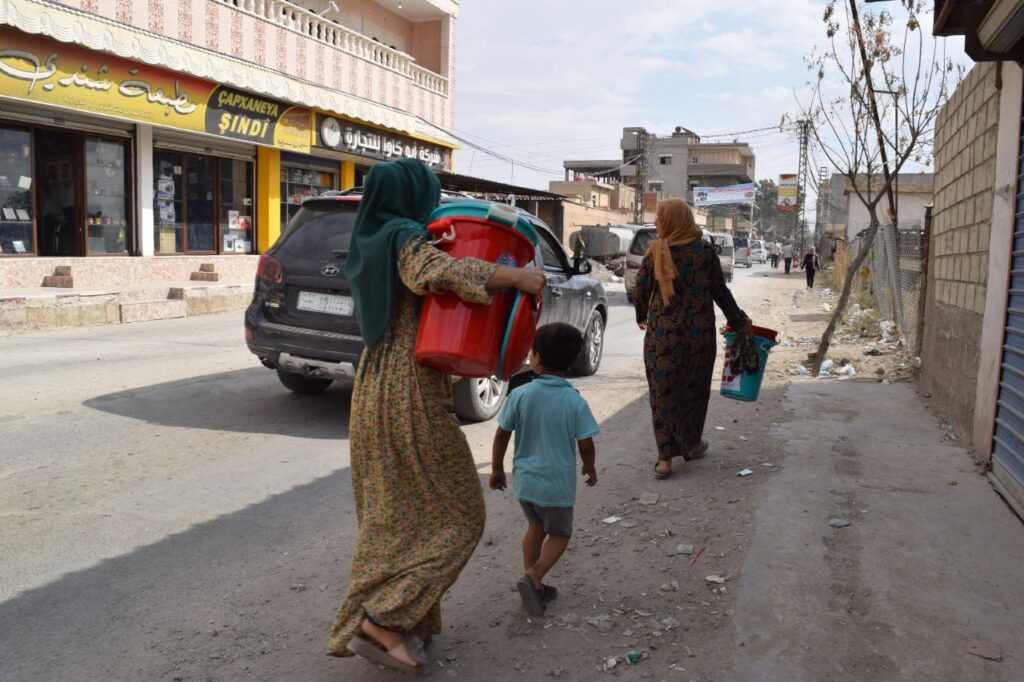
The Turkish invasion of Serekaniye in 2019 marked a turning point. "Since then, the Alok station has been under the control of the pro-Turkish Syrian army, which has stopped its operations, depriving not only Kurds but also Arabs, Yazidis and Christians of water," Issa points out. 'Hasakê now depends on private wells, with water of dubious quality, while in the Al-Hol camp, the largest and most unstable in the region, the lack of water has aggravated sanitary conditions, increasing the risk of epidemics such as cholera and COVID-19'.
The use of water as a tool of war has had devastating consequences on the population. "The people who fled Afrin were forced to move several times: first to Tell Rifaat and Shahba, then to Raqqa and finally to Hasakê, where they now live in schools that have been turned into emergency shelters".
In order to solve the water crisis, the Rojava self-government sought an agreement with pro-Turkish forces to reactivate the Alok station: in exchange for the supply of electricity, the water flow was supposed to be restored. "But while the self-government respected the terms, water only came intermittently, once a week for a few hours," Issa complains.
To further complicate the situation, Turkey has intensified the bombing of energy infrastructure, hitting strategic plants in Derik and Derbasiya. 'On the one hand they demand electricity, on the other hand they bomb the power plants,' Issa explains.
Turkey did not only control drinking water, but also targeted hydropower production. 'The Tishreen dam, which fed Kobane, Raqqa and even Hasakê, was hit repeatedly,' Issa recounts. "The goal is clear: to create an energy collapse that would make life impossible in the region."
In response, the population organised protests at the dam, resisting even in the cold of winter. In the face of this emergency, the international community has remained silent. 'Water has become a weapon of war, yet no one intervenes'.
UPP and other organisations continue to lobby for the demilitarisation of water.
POLLUTION AND WAR
In Rojava, air pollution and environmental degradation are not only the result of chaotic industrialisation, but also a direct consequence of war.
'Oil extraction and refining in north-east Syria pose a serious health risk,' Issa explains. "Many people suffer from respiratory problems and cancers. Most cancer patients in the region are forced to travel to Damascus to receive treatment, because the necessary facilities are lacking here'. Living conditions are so poor that problems such as toxic emissions take a back seat. "People do not have access to drinking water every day, so air quality becomes a secondary problem," says Issa. "Raw diesel is used for heating in homes, often in rudimentary stoves that fill the room with toxic fumes."
The war has prevented the development of more sustainable infrastructure. "There are no advanced processing facilities and oil is refined using primitive methods outside the population centres," Issa explains. 'The situation is aggravated by the fact that Rojava is constantly under attack. Without security, no long-term project can be realised'. Dependence on oil is therefore inevitable. 'Building a new Syria would require a stable economy, safe water and a development plan'.
In addition to oil refining, the Turkish bombardment has had a devastating environmental impact. "Drone attacks and air raids are contaminating underground water reserves," Issa complains. "Due to a toxic leak, one of the lakes in Arisha has been poisoned, killing all the fish. It is an ecological catastrophe'.
The long-term consequences of this environmental degradation are incalculable. "We are not just talking about air pollution, but a systematic poisoning of the ecosystem," Issa explains.
BUILDING A SUSTAINABLE FUTURE
Despite technical limitations and reduced resources, Rojava continues to seek new solutions. "Democratic Confederalism actively involves local communities in resource management," Issa explains. Ecological transition, although hampered by war, remains a shared goal. "Courses on water quality are organised in Kobane and the water department has always participated enthusiastically," says Issa. "We provide modern tools for monitoring, but the real driver for change is the commitment of the population."
Training of health and technical staff is also a priority. "Local authorities are always looking to expand their competencies," explains Issa.
International restrictions have aggravated the situation. "After the USAID funding freeze, many essential services have been affected," Issa complains. "Despite some exceptions for life-saving programmes, many facilities have been left without support."
Alongside local institutions, numerous civil associations are contributing to environmental awareness. "Organisations such as Green Tress and Green NES are promoting reforestation and care for the land," says Issa. "They have even started educational programmes in schools, where every student has planted a tree in the courtyard to learn how to take care of it.
Rojava's vision is one of a future based on sustainability and self-sufficiency. "We want a green Syria, a Rojava full of water and vegetation," Issa states with determination. "Once this region was called Al-Jazeera, the island surrounded by the Euphrates, Khabur and Tigris rivers. Now the Khabur has almost disappeared, the Euphrates is drying up and the Tigris is constantly threatened'.
The obstacles are enormous: bombings, border restrictions, reduced budgets and an unstable political situation. Despite everything, hope is not lost. "We are fighting for a Rojava that can live without war, without water shortages, without pollution," Issa concludes. "And even if everything seems difficult today, we know that another future is possible.
After months of Israeli bombardment, Lebanon is currently at the centre of a devastating humanitarian emergency that has left more than one million people displaced. Over 4,000 people have been killed and more than 16,600 injured. What is happening today? Despite daily ceasefire violations and the Israeli occupation that persists in large areas of the south of the country, Un Ponte Per is continuing to support the local response to the emergency, providing basic necessities to thousands of displaced families, in cooperation with our local partner Amel, which is at the forefront of addressing the situation. Although the ceasefire agreement called for the withdrawal of Israeli forces from the south of the country as early as 27 January 2025 - later extended to 18 February - it now seems clear that the Israeli army wants to keep portions of Lebanese territory occupied. Yet the UNIFIL contingent maintains positions in the south of the country and the regular Lebanese army is now deployed on the 'blue line' so as to implement the conditions of UN ReS. 1701/2006. This resolution, however, continues to be violated by Israel, which, by maintaining positions on Lebanese territory, does not respect the country's sovereignty while undermining the credibility of the new Lebanese institutions.
THE DIFFICULT CONDITIONS IN NABATIYE
One of the areas most affected by the consequences of the war between Israel and Hezbollah is undoubtedly the Nabatiye area, where tens of thousands of houses have been destroyed or severely damaged. Life for people displaced by winter has become extremely problematic. Shelters and collective accommodation are often unhealthy and isolated. Without heating, vulnerable people, such as children, the elderly and people with disabilities, are at risk of hypothermia and respiratory infections. Thanks to the funds raised by the Emergency Lebanon campaign and the invaluable support of Fons Català, we were able to distribute over 350 electric heaters, 350 winter kits and 350 hygiene kits to the displaced population, each of which serves a family of five. Despite the difficulties, many people are trying to return to their homes, and our commitment is to continue to support them in this obstacle course.
THE INFRASTRUCTURE SITUATION AND FOOD INSECURITY
The small Levantine country is also experiencing an exceptional food crisis. According to the WFP forecast, some 1.6 million people, or 29 per cent of the population, could suffer acute food insecurity by March 2025 due to inflation and reduced international aid. Displaced families, living in overcrowded conditions and with limited access to essential services such as water, education and health care, are again among the most vulnerable.
THE DIFFICULT RETURN TO NORMALITY
Apart from the areas that remain occupied by Israeli forces, many families are still unable to return home due to the lack of (destroyed) infrastructure and basic services. Those that have managed to return, however, face severe living conditions, without access to adequate medical care, schools and other daily necessities. Some 45 water facilities were damaged, putting access to water at risk for 497,000 people. Vulnerable groups, particularly women and children, are at higher risk of exploitation, gender-based violence, school drop-outs, child labour and social marginalisation. 60% of Syrian refugee minors and 27% of Lebanese children are out of school. The primary cause is displacement and the closure of school buildings.
THE ACTIVITIES OF A BRIDGE TO
In response to this emergency, Un Ponte Per, in collaboration with the Amel Association, launched the "Lebanon Emergency" campaign in October 2024 - with the support of Amel Italia - to support the humanitarian response of our Lebanese partners. LikeAmel Lebanon, which is Lebanon's largest non-sectarian humanitarian organisation, and anyone who knows a little about the Lebanese context knows how exceptional it is to find capillary realities free of sectarian affiliations. Together with Amel, we also launched the project 'Emergency relief for the displaced population in Lebanon', supported by Fons Català in the governorate of Nabatiye, to provide basic assistance, basic necessities, hygiene kits, winter kits and food. Although conditions on the ground are very critical, the work of the local Amel operators is helping the most vulnerable people to survive and rebuild a dignified life. For this, we sincerely thank our partners on the ground, the many people and organisations who support us and also those who gave us a hand by spreading the word about our campaign.
OUR PROMISE
Un Ponte Per will continue to stand by the people in Lebanon who are slowly trying to return to their homes to rebuild their lives after yet another Israeli war and invasion. Despite the enormous challenges, we are committed to ensuring that the displaced families can receive the support they need to cope with the ongoing crisis, with the aim of alleviating their daily difficulties and so that they can regain a shred of hope for the future.
After 15 months of genocide and an unprecedented level of destruction and death caused by Israel, the ceasefire agreement took effect on 19 January. The Gaza population that survived the genocide thus entered the first of three phases of a ceasefire process, each lasting 42 days.
The main objective is to secure the return of hundreds of thousands of forcibly displaced people to their home areas, and in particular to the almost completely destroyed northern Gaza Strip, - as well as the entry of humanitarian aid, the withdrawal of Israeli troops from urban areas, and the exchange of prisoners.
People have been walking back to their cities for days now. What they find, however, is often just a pile of rubble. A destruction that is not only material.
"This is the most difficult phase for the surviving population," our colleague Sharif Hamad, who has lived through many Israeli offensives, most recently in 2014, which destroyed his own home, tells us. 'It is the moment when the joy of surviving soon gives way to anguish: you find your homes in rubble, you realise who is no longer there. If you no longer have to fight to stay alive, you give way to trauma. And it is often devastating,' he says.
As explained by our colleagues at UAWC - Union of Agricultural Work Committees, with whom we have worked tirelessly over the past 15 months to bring concrete aid to the Palestinian population, the terms of the ceasefire agreement have been internationally monitored since early February, although the aid entering Gaza has not reached the necessary levels. Fuel, medicines and safe havens for the displaced population who have seen their homes destroyed are still severely insufficient. In parallel, statements by the new US administration have generated enormous concern:
"These are extraordinary and unbelievable statements about the intention to carry out ethnic cleansing against the people of Gaza and to reconstruct the Strip for the purpose of building speculation," the UAWC explained. At the same time, newly-appointed President Trump signed executive orders to sanction the International Criminal Court and those working to implement international laws with respect to holding Israel accountable for its heinous crimes. "These are actions that Isarele is supporting and that seriously jeopardise the possibility of implementing the second phase of the truce agreement," our colleagues insist.
And on the other hand, the situation in Gaza remains dramatic. Over 500,000 people have returned to the areas to the north of the 'Netzarim corridor ' - created by Israel in the course of its offensive to control the Strip and separate the northern area from the centre and the south - finding their property and homes destroyed, the land strewn with unexploded ordnance and severely polluted, posing a real risk to the population.
Health and psycho-social services remain grossly inadequate to the needs: there is still a major shortage of fuel, clean water, sanitation materials and safe shelters, UAWC explain. To this must be added the destruction of all civilian infrastructure and of the main arteries linking the cities of the Strip, making the transportation of aid and the movement of trucks, which are rarely able to reach the areas where the needs are greatest, even more complex.
In this situation, the plight of families living from fishing and farming remains very serious. According to UAWC data, at least80 per cent of Gaza's agricultural land has been destroyed, severely damaged or rendered unusable, particularly greenhouses and fruit and vegetable crops. Sea water remains largely, and equipment needed for fishing, storage sites and warehouses have been almost totally destroyed. In addition to this, cisterns, water plants and water desalination sources have been permanently contaminated, damaged or destroyed, making the sources of drinking water supply extremely unsafe, and now almost inaccessible to the population.
An overall situation that, as always, weighs doubly on women, those who pay the highest price for the lack of sanitation, but also severely affected socially and economically. As explained by UAWC, women's participation in social and economic life has not returned to pre-7 October 2023 levels.
This is why 'it is necessary to keep our attention high and continue to support the population of the Gaza Strip as much as possible,' Sharif recalls. At the same time, he denounced the extremely serious violations committed daily in the occupied territories of the West Bank, where the heart of Israeli military operations has shifted with continuous arrests, demolitions, raids and attacks by soldiers and settlers against the occupied population.
The immediate needs identified by our UAWC colleagues in the coming weeks include the provision of fuel and clean water; the reconstruction of roads to allow for the delivery of humanitarian aid; the rehabilitation of farmland so that it can be cultivated again, and the provision of seeds and fertilisers to return to minimum levels of economic subsistence and self-production; the rehabilitation of agricultural infrastructure; direct financial support to ensure the survival of families; the distribution of hygiene kits and medicines; and support for women with social and economic empowerment actions to return to the levels of women's participation prior to the genocide committed by Israel.
"Your closeness is needed now more than ever," Sharif emphasised. "The people need to feel that we are there, that we are not abandoning them, that we will continue to fight alongside them in the demands of this moment: justice and reconstruction. Those who have supported us have shown great courage in these months: thanks to the generosity of so many people, we have been able to bring Gaza water, food, toilets, tents to shelter from the rain and cold. But we must go on and continue. Because only with your support can we Palestinians look up to the sky again and see a new dawn'.
To find out what we have done so far with UAWC, click here.
On the night of 2 to 3 February, a Turkish bombing raid in the north-east of Syria hit and destroyed the 'Kobane Water Station', a vital water station for the population, which had already been damaged during the terrible earthquake in the winter of 2023. The power station consisted of two pumping stations, one of which was involved in a rehabilitation project of Un Ponte Per.
The pumping station that was hit by the Turkish bombardment drew water from the Euphrates River and then transmitted it to the second unit, where water purification took place, and where we would soon start an intervention to rehabilitate the facility, improve its efficiency and train its staff to ensure access to drinking water for more than 60,000 displaced people living in the entire Kobane area. The functioning of the entire water plant is currently totally compromised. Finally, a new borehole was drilled to extract water in the village of Al-Adhath, in the Shahba area, Tell Rifaat district, making water more accessible to the local population.
"The attacks on Kobane, and in particular against the civil water and electricity infrastructure, are unacceptable and constitute a crime against humanity. Daily life is becoming more and more difficult and in this way they want to force us to leave our land," says Yasser, a resident of Kobane.
The city, which recently celebrated the tenth anniversary of its liberation from the Islamic State, continues to experience precarious security conditions due to continuous Turkish bombardment and threats from Turkish-backed Islamist militias, which have already attacked and taken control of the Shahba and Membij areas in recent months, resulting in thousands of newly displaced people.
The impact of the Turkish bombardment over the past few days now affects more than 100,000 people in the entire Kobane area, which is already in a very precarious condition also due to the terrible earthquake that devastated the region in February 2023, also affecting and damaging the waterworks.
At the time, the already critical conditions of the displaced population had been severely aggravated by tremors reaching a magnitude of 7.7, causing 5,900 casualties and the destruction of over 2,000 civilian buildings. Since then, the more than 43,000 displaced people have been living in precarious conditions, without the possibility of returning to their homes and in the absence of safe shelters, food, medicine and clean water. For this reason, the Kobane Water Directorate had appealed for immediate support to increase its technical capacity. In response to this appeal, our intervention was planned, which would fit into a broader framework of activities we have been carrying out for years in north-east Syria to ensure environmental justice and work on proper waste disposal.
"Two years after the terrible earthquake that wreaked havoc across northern Syria, the inhabitants of Kobane are once again being affected by continuous Turkish attacks, which are targeting civilian infrastructure without distinction," explains Roberta, our programme desk officer for environmental justice interventions in the area. "The joy at the start of the work we were going to do to rehabilitate one of the most important water pumping stations in Kobane has been dissipated by the smoke of new rubble: tomorrow it will be even more difficult and expensive to rebuild," Roberta explains.
We strongly condemn the deliberate and indiscriminate attacks by the Turkish side against the civilian population in Syria, and in particular against civilian infrastructure necessary for survival: actions contrary to international law that must be stopped immediately.
Who we are
Menu
close
What we do
Menu
close
Join
Menu
close
Support us
Menu
close
News
Menu
close
Subscribe
Join our newsletter to stay up to date on our projects.
To provide the best experiences, we use technologies like cookies to store and/or access device information. Consenting to these technologies will allow us to process data such as browsing behavior or unique IDs on this site. Not consenting or withdrawing consent, may adversely affect certain features and functions.
Functional
Always active
The technical storage or access is strictly necessary for the legitimate purpose of enabling the use of a specific service explicitly requested by the subscriber or user, or for the sole purpose of carrying out the transmission of a communication over an electronic communications network.
Preferences
The technical storage or access is necessary for the legitimate purpose of storing preferences that are not requested by the subscriber or user.
Statistics
The technical storage or access that is used exclusively for statistical purposes.The technical storage or access that is used exclusively for anonymous statistical purposes. Without a subpoena, voluntary compliance on the part of your Internet Service Provider, or additional records from a third party, information stored or retrieved for this purpose alone cannot usually be used to identify you.
Marketing
The technical storage or access is required to create user profiles to send advertising, or to track the user on a website or across several websites for similar marketing purposes.