Hospitals without drugs for life-saving operations. Clinics in camps for displaced people without medical staff. Ambulances stopped due to lack of fuel.
This is the devastating reality we are facing in north-east Syria after the US administration's decision to stop funding USAID. A decision that, overnight, has left millions of people without the essential support they need to survive in an area that still depends entirely on international aid. And we, who have been working on the ground since 2015, see the effects of this catastrophe every day.
Due to the suspension of USAID funds announced on 20 January, which resulted in the closure of 90 per cent of the agency's programmes on the evening of 25 February, more than 4.5 million people in need of life-saving humanitarian assistance are at risk of being left without support, and that in north-east Syria alone.
It is urgent that every person in solidarity chooses to donate to curb this drama.
This is witnessed by Lavinia Brunetti, Un Ponte Per worker from the Areesha camp, in the TV2000 report.
HUMANITARIAN AID UNDER ATTACK
Trump's is a real attack on international aid, which as of mid-February has already led to the interruption of 61% of services that provide access to primary and secondary health care, 54% of programmes to protect against gender-based violence and the exploitation of child labour, 56% of programmes that now provide access to clean water and basic sanitation, and 53% of food security programmes.
Our Director General, Martina Pignatti Morano, makes an urgent appeal:
"The suspension of USAID funds is exacerbating an already deep humanitarian crisis in Syria, leaving millions of people without access to essential services. In a country ravaged by 13 years of conflict, this decision is forcing international and local humanitarian organisations to scale back, if not stop altogether, vital operations, particularly affecting the most vulnerable in the communities: women, children and girls, and displaced people who are entirely dependent on international aid."
This is an unprecedented crisis that affects the entire country, but which becomes particularly critical in the north-east: here, more than 100 health facilities in the governorates of Deir ez-Zor, Hassakeh, Raqqa and Aleppo risk total closure between March and April 2025.
In camps for displaced people, the disruption of health services and vaccination programmes is exposing children to deadly diseases such as measles and cholera, with the risk of an alarming increase in child mortality. Local organisations, pillars of the humanitarian response, without international support are running out of resources to provide assistance.
Without immediate action, the entire Syrian healthcare system risks collapse. The lives of thousands of people suddenly deprived of primary medical care are at risk.
THE RESPONSE OF A BRIDGE TO
We at Un Ponte Per have been working in north-east Syria for 10 years, supporting the population in the difficult process of rebuilding a public health system and responding to the humanitarian needs of the population. Over many years we have been through numerous emergencies, attacks on health facilities and infrastructure, as well as natural disasters, and we have always continued to do our part, standing by the side of the most vulnerable communities.
To date, our interventions have provided 1,640,000 people with access to primary health care, protection programmes for women and children, clean water and sanitation. People who count on our support.
These included more than 100,000 residents of camps - including the one in Al Hol - and 700,000 who relied on the Hassakeh National Hospital, which provided free treatment to 1,300 patients every month , including 300 mothers with their children.
We are doing everything we can to keep the essential services of the Hassakeh Hospital and the clinics in the camps operational. Thanks to the donations we have received, we have ensured the coverage of the hospital's need for life-saving medicines for the months of January and February. But all this is in danger of having to be suspended any day now: on 27 February alone, more than 450 people in the hospital were laid off, and without new funds, by 30 April most of the services in all the health facilities will be completely interrupted.
URGENT APPEAL
Our Director states this clearly:
"With the closure of the NGO projects that operated in the area, the poorest region of Syria is in absolute need of the solidarity of each and every one of us. Every donation, large or small, can now make a difference and will help us to guarantee care, provide medication and protection to support the population as we have always done, and for as long as it is needed."
FREQUENTLY ASKED QUESTIONS
On 20 January 2025, US President Donald Trump issued the Presidential Executive Order to reassess and realign US foreign aid, which imposed a 90-day stop on funding disbursements (expiring on 30 April) for development assistance around the world, in order to assess programme effectiveness and 'coherence with foreign policy'. The parameters of the review process are unclear and have not been made public, but the US administration has already started to cancel hundreds of USAID contracts and funding, effective immediately. A 'coherence' that has been translated on the ground into immediate cuts in aid to programmes for health care, education, protection and support for women's empowerment: a direct attack on humanitarian and development aid.
On 26 February, the Trump administration issued over 10,000 project suspension letters that reached UN agencies and numerous NGOs. These include Un Ponte Per, which has seen 90% of its activities in north-east Syria officially suspended, drastically reducing its capacity to support the operations of local health facilities such as the National Hospital in Hassakeh, Primary Health Care Centres in camps for displaced persons, Mobile Health Units and Ambulance Coordination Centres, which guarantee primary health services in internal medicine, paediatrics, gynaecology, treatment of infectious diseases, analysis laboratories and medical dispensaries, and psychological support to tens of thousands of people every month. These activities also offered the possibility of identifying cases of women survivors of gender-based violence, children and girls excluded from education and victims of child labour, early marriages, and accompanying them in dedicated support paths.
Un Ponte Per first started working with USAID/BHA at the request of its local partners in north-eastern Syria to compensate for the progressive reduction of international funding for programmes active in the area. In January 2020, in fact, with the UN Cross Border Resolution, following the veto of Russia and China, the United Nations renewed humanitarian support to the country but halved the number of crossings through which aid could be accessed, closing those from Iraq and Jordan and leaving the north-east of Syria effectively isolated. Non-governmental organisations such as Un Ponte Per that have refused to register with the Damascus government since that year, so as not to come to terms with the dictatorial regime of Bashar al-Assad, have lost the possibility of accessing these funds, finding themselves forced to face serious humanitarian shortages without the necessary financial support. At the same time, since 2022, following the humanitarian emergency caused by Russia's aggression against Ukraine, EU agencies have gradually decreased their engagement in crisis countries such as north-east Syria to focus their resources on responding to the Ukrainian humanitarian emergency, increasing the gap between available funding and the need to respond to the population's needs.
On 30 April, the 90-day suspension of USAID funds ends, and it is very likely that funding for programmes already notified of the suspension will be confirmed, a cut that will disproportionately affect Syria's most vulnerable communities who, after almost 14 years of conflict, depend entirely on aid for their survival.
In north-east Syria, the consequences of this decision could be catastrophic, if alternative sources of support are not found, the health system risks collapse: hundreds of thousands of people will be left without life-saving assistance, basic care, medicines, further aggravating an already dramatic humanitarian situation. Finally, this could fuel tensions and unrest in camps for displaced persons and communities, creating fertile ground for the resurgence of extremist movements.
In this context, every donation can make a difference.
Ambra Malandrin, head of the project "Building futures: promoting peace through education" financed by 8x1000 funds from the Soka Gakkai Italian Buddhist Institute, tells "Il Nuovo Rinascimento" about the results of the first months of activity in the Safe Spaces we set up in Raqqa, which for years have continued to guarantee protection services to women and children.
WHAT DOES THE PROJECT 'BUILDING FUTURES: PROMOTING PEACE THROUGH EDUCATION' CONSIST OF? WHAT ARE ITS OBJECTIVES?
The humanitarian crisis situation in Syria is very delicate, there are serious shortages of essential services, including education. An estimated 2.4 million children are out of the education system and there is a very high illiteracy rate. Children aged 12-14 are sent to work and girls are forced to marry.
The city of Raqqa is still scarred by the occupation of Daesh (ISIS). This occupation has broken down the social fabric and led to an increase in child labour as families live in economically degrading conditions.
One of the aims of the project is to provide non-formal education to eliminate the gap between those who go to school and those who do not: due to high costs and lack of facilities many families are unable to support their sons' and daughters' education. Through the project we provide them with literacy and basic numerical skills for illiterate women; remedial schooling for children out of the education system, to facilitate their reintegration into formal schooling; extracurricular support courses for children who, despite attending school, find it difficult to study due to social hardship or lack of educational support.
Non-formal education also includes peace-building and conflict resolution training. Another objective is psycho-social protection and support, which aims to support the development of personal resilience to overcome problems arising from crisis situations and trauma and to counter abuse, child labour and gender-based violence.
THE PROJECT WAS SUPPORTED WITH 8X1000 FUNDS FROM THE SOKA GAKKAI FOR THE THIRD YEAR. CAN YOU SHARE THE RESULTS ACHIEVED SO FAR?
Your contribution has been crucial, starting in 2022 we reached 4,400 individuals in just six months with protection projects, through individual support, recreational activities and psycho-social support. In 2023, we reached 18,000 people through radio campaigns and one-to-one sessions, with awareness-raising initiatives focusing on topics such as gender-based violence prevention, child protection, women's rights and the rights of persons with disabilities. We have seen a positive impact on the population, particularly in Raqqa where safe spaces have been created for girls who are survivors of gender-based violence. This year, with the inclusion of other educational and peacebuilding activities, we reached in just three months about 130 children and women with educational activities, 160 with protection interventions and more than 10,000 people with an International Day of Peace radio programme. We also train local staff on gender-based violence issues to make the project sustainable for the future.

HOW DO YOU DEVELOP NON-FORMAL EDUCATION AND WHAT RESULTS DO YOU EXPECT?
Non-formal' education is flexible and responds to different needs of people. It has three basic components: integrating children who have been excluded into the national education system, filling the educational gap that does not allow them to attend classes with their peers. The second component is school preparation, i.e. after-school courses, to support children who have difficulties in studying due to social hardship or poor educational and economic support and therefore drop out of school. This aspect of non-formal education includes tutoring in certain subjects, such as mathematics, science and English. In our centres there is a room where children can stay between classes to do their homework with a teacher to help them.
The last component is basic numeracy and literacy for tutors. This improves the women's practical skills but also strengthens their educational role within the family, promoting greater autonomy and increasing their employment possibilities. Peace education is always integrated into recreational activities, e.g. conflict resolution and climate change, and mixed sessions with approximately 500 participants are planned to create community dialogue and reduce intergenerational tensions, but also to develop greater civic awareness.
WHAT ARE SAFE SPACES AND WHAT KIND OF ACTIVITIES DO THEY INVOLVE?
UPP-DOZ Safe Spaces are protected environments where women and children can access psychosocial support, educational activities and protective services in an inclusive and respectful context. One of these Safe Spaces is dedicated to girls and another to children and adolescents. Their aim is to provide protection, e.g. there is an integrated approach with sessions such as emotional and peace education.
They also discuss gender-based violence, early marriage and child labour. Cases of gender-based violence are still very high, one of them being forced marriage, in which about 80 per cent of 15-year-old girls are forced into marriage.
For this reason, in our centres women find staff trained by UPPs(case workers) who can effectively support them in cases of violence and can access them more easily because they are in the same places where women go for other activities; therefore, they do not have to openly declare to their family members (often the abusers themselves) that they are going to the anti-violence centre to ask for support.
There are also recreational and play activities and parenting training sessions, which aim to implement child protection capacity within families. There are many courses that involve strengthening mutual support between women because female isolation is very strong in Raqqa. There is also a place set up to take care of smaller children so that female guardians can participate in other activities while children are in contact with experts in child care.

WHAT KIND OF FUTURE WOULD YOU LIKE TO SEE REALISED THANKS TO THE PROJECT?
The impact we would like to see is radical and lasting with an emphasis on non-formal education because for us this is the key to progress and empowerment and must be pursued holistically.
We aim to realise opportunities for growth by increasing the autonomy of the people we work with and this is necessary to prevent contextual problems such as child labour and violence. Of course, peaceful education also serves this purpose, to strengthen the social fabric.
We would like to create and maintain safe environments and support people in overcoming momentary difficulties, such as the current ones, in which the Syrian population is once again experiencing a severe crisis, but we would also like these tools to have a long-term impact, as resilience tools, to build a fabric of peace that starts from the local communities themselves.
Following the recent forced displacement due to political changes and the risk of military occupation, since early December 2024, Raqqa has been facing an emergency situation in which all public schools have been converted into collective centres to accommodate over 50,000 displaced people in a matter of weeks. This has left thousands of chidren without access to education, exacerbating the already existing education gap. Displaced children are also not attending school, further increasing the need for non-formal education interventions in emergency settings. In the coming months, we will closely monitor the changes and growing demand, as evidenced by the long waiting lists for our non-formal education courses, which far exceed the resources currently available.
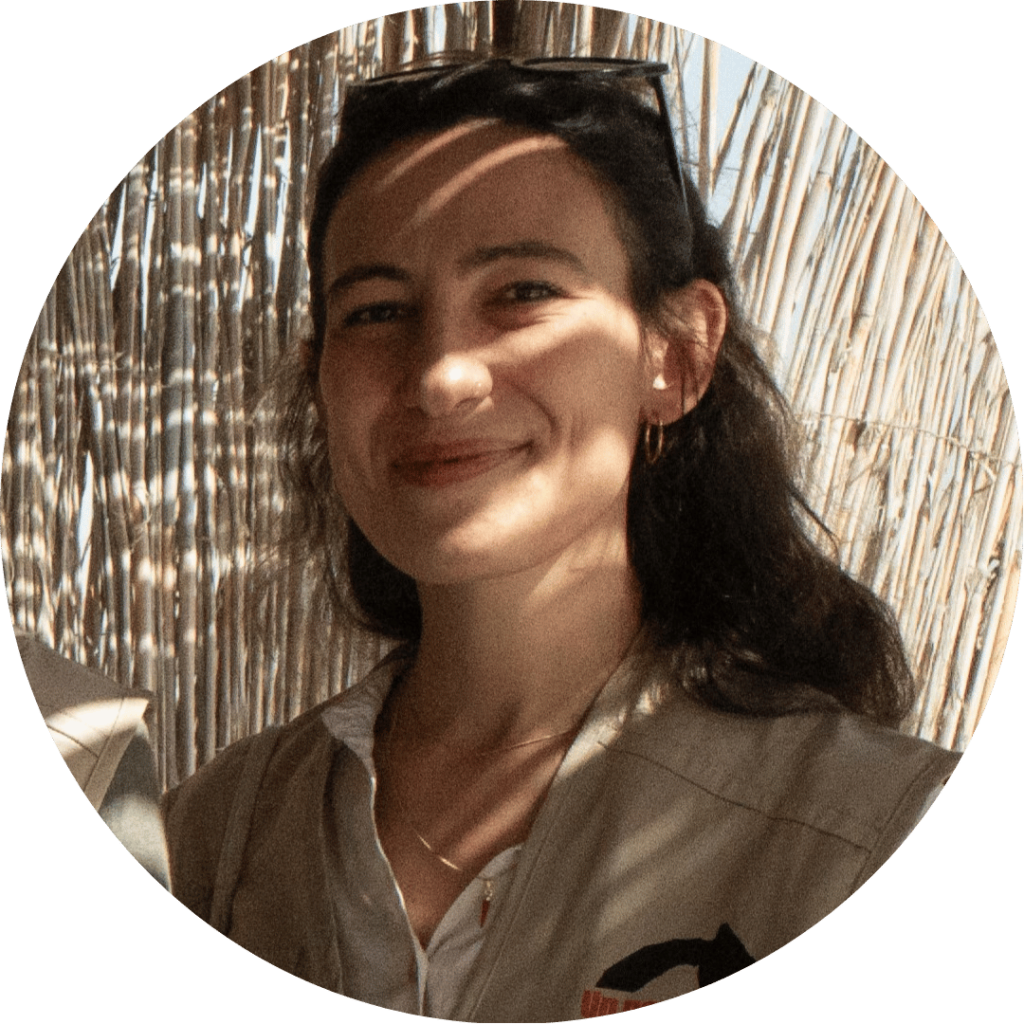
Ambra Malandrin
Protection & Education Coordinator
For over 30 years, we have worked in Iraq to protect the rights of the population, especially women and minors, respecting the complexities and richness of the Iraqi mosaic. Over the past six months, and particularly in recent days, Iraqi public opinion and civil society have been engaged in a significant debate regarding the rights of women and girls.
“In today’s world, where the rights of women and children are finally central to public discourse, even in Iraq, allowing marriage under the age of 18 is dangerous and could have catastrophic consequences for Iraqi society.” This is explained with great clarity by our Iraqi Head of Mission, who has worked with us for decades.
Indeed, three laws were recently passed in parliament, including one on personal status, which has sparked intense internal debate in the country over the years, largely ignored by international media. These laws, shaped by political compromises and sectarian divisions, are considered by many in Iraqi civil society to be among the most dangerous ever presented in parliament due to their impact on women, society, and Iraq’s already fragile social cohesion. There are also concerns about the constitutionality of the parliamentary session held on Tuesday, January 21, during which, in just 10 minutes, three highly divisive laws were approved (as highlighted by the Coalition 188 in a public statement). Among these, the amendments to the Personal Status Code are particularly troubling. This code governs personal and legal capacity, family law, marriage, the rights and duties of spouses, property arrangements, separation, divorce, filiation and custody, maintenance, guardianship, inheritance, and more.

THE PERSONAL STATUS CODE OF 1959
The Code, enacted in 1959 following the establishment of the Iraqi republic, was the result of mobilization by various segments of society, including the early women’s organizations that played a central role. The Code aimed to establish a unified legal system governing the personal status of all individuals. Based on Islamic principles, the Code also introduced a series of “civil” rights and protections, especially concerning marriage, divorce, inheritance, and the rights of women and minors. These were guaranteed to all citizens, regardless of their religious or sectarian affiliation. Since 2003, the Code has faced periodic attacks and attempts to amend it, which were countered by the mobilization of women, civil society, and political actors. At least until last Tuesday, when parliament approved new amendments that dismantle the Code’s “civil” character and increase the influence of Ja'fari (Shiite) and Hanafi (Sunni) jurisprudence as sources of law. This shift contradicts the Iraqi Constitution, which—while acknowledging the importance of religious traditions—emphasizes the establishment of a civil and democratic state rather than a religious or theocratic system. The original intent of the 1959 Personal Status Code was to safeguard civil rights, particularly for mothers and minors, without conflicting with Islam or other major religions in Iraq. The current advancement of sectarian laws significantly worsens the state of human rights in the country.

THE AMENDMENTS OF JANUARY 2025
The main change introduced by the amendments is the reduction of the 1959 Code to just one of several possible legal frameworks for personal status matters. Alongside it, both Shiite and Sunni jurisprudence are now included. In this context, the most alarming aspect of the new amendments is the legalization of child marriages. According to Ja'fari jurisprudence in Shiite Islam, the legal age for marriage is set at 9 years old for girls. The primary change is that the law can now vary depending on individuals’ religious affiliations, effectively institutionalizing sectarianism in the legal system and further dividing Iraqi society, with severe consequences for the country’s stability and security. Another modification repeals Section 5 of Article 10, which has been in force for over 15 years to prevent extrajudicial (i.e., exclusively religious) marriages. Until now, courts were required to approve all marriages, ensuring they met legal criteria on a case-by-case basis. The repeal strips state judges of their authority in this area, explains Coalition 188, a group of civil society actors at the forefront of resisting the changes to the 1959 law.

HOW IT AFFECTS IRAQI WOMEN
In addition to the already mentioned legalization of child marriage, the amendments and institutionalization of the principle of “sect” have particularly harmful consequences for Iraqi women and girls. Some of these include:

WOMEN IN IRAQ
It’s easy to see how these changes represent a significant deterioration in the lives of Iraqi women, whose courageous struggles for self-determination we have often supported and highlighted. Without going too far back in history, we can look at the events of October 2019, when women took to the streets in Iraq’s major cities to claim their space and voice in typically male-dominated environments. In February 2020, they marched through Baghdad in response to calls for them to return home and leave the public squares. Or we can turn to the words of long-time Iraqi feminist activist Hana Edwar, captured in Silvia Abbà’s book, Il mio posto è ovunque. Voci di donne per un altro Iraq (Astarte Edizioni and Un Ponte per):
“On February 13, 2020, there was a march in many Iraqi cities—Baghdad, the center, and the south of the country. It was incredible; women from all walks of life were there, young women leading the march with such confidence… Thousands of women walking the streets chanting slogans against gender violence. It was beautiful. I’m so proud of them. In that moment, I felt the entire space speaking about women as the revolution, as the voice of the revolution, the voice of trust in change, for a new future in Iraq.”
Even in less extraordinary circumstances, Iraqi women fight daily for their rights in their families, workplaces, and universities. As our Head of Mission concludes: “It is unimaginable for a young girl to become pregnant while still attending primary school. This is not the society we want to build. We Iraqis want a democratic, civil society that respects diversity. That’s why we need laws that apply equally to all social, religious, ethnic, and sectarian groups.” We can only share these concerns, these hopes, and continue to walk every day alongside our Iraqi sisters.
In February 2024, in light of Israel's terrible genocidal offensive against the population of the Gaza Strip, Un Ponte Per launched its 'Water for Gaza' campaign. Thanks to the relationship we built with our local partner - the Union of Agricultural Work Committees (UAWC) -; to the extraordinary generosity of the people who donated; and to the many solidarity organisations that organised initiatives throughout Italy - we managed to achieve important results.
The aim was to provide a modicum of relief to the hard-hit population, which is experiencing a severe shortage of food and drinking water.
Together with UAWC and the incredible work of its local teams in Gaza, we reached more than 30,000 people in nine months with distributions of clean water, food baskets and hygiene kits.
What are we actually doing?
Supply of drinking water
This initiative focused on the urgent need for clean water and sanitation to several refugee camps in the central and southern regions of the Gaza Strip. Our intervention reached 5,500 families with 142 cubic metres of clean water to people who previously depended on expensive or contaminated water sources.
Provision of food parcels and hygiene kits
We distributed 72 food parcels to as many fishing families, totalling 396 people displaced or made homeless by the conflict in various areas of the Gaza Strip. This targeted aid played a key role in addressing some of the urgent needs of the affected communities, offering crucial support in a time of extreme need. The food parcels included a balanced variety of nutritious food products, including cereals, pulses, canned food. In addition, we were able to distribute hygiene kits to 500 displaced families.
Installation of eight water tanks
We have been able to install 3 water tanks with a capacity of 5,000 litres, and 4 tanks with a capacity of 2,000 litres to provide lasting support to communities forced to be displaced by Israeli military order. As soon as conditions allow us to do so, the humanitarian and logistical effort will be to support the reconstruction of water purification facilities militarily destroyed by the occupying force.
Installation of 'Dignity Box'
We have installed 4 toilet units, each consisting of 4 toilets in 4 different informal camps (one in Al-Zuwayda, one in Deir al-Balah and two in Nuseirat) to serve 358 families and approximately 1700 individuals. Unfortunately, the continuous forced displacement of Gaza families has now caused their savings to be depleted. Thus, families have been stranded in areas totally lacking in facilities. Thousands of people are crammed into makeshift tents, without sanitary facilities, deprived of their dignity. Israeli blockades continue to prevent access for sewage treatment materials and this is causing progressive faecal contamination of the groundwater. With winter looming, the possibility of flooding is great, as already happened in the area of Khan Younis and Al Mawasi in late September. Such floods pose a huge health risk and have a serious impact on the dignity and resilience of the population. According to UNICEF, under these conditions children are almost 20 times more likely to die of diarrhoeal diseases than from bombs . This is why our 'hygiene boxes' pursue the dual objective of safeguarding the dignity of displaced families and not feeding the very serious water contamination that causes infectious diseases.
SECURING TENTS
As winter approaches, the needs of the people of Gaza increase, as do the catastrophic risks of disease and famine. In al-Mawasi, in the central area of the Gaza Strip, we were able to secure the worn-out tents of about 200 families with water-repellent tarps that withstand the elements.


All this was made possible by the generosity of those who donated, and by the work of UAWC's highly specialised team in Gaza, who made distributions according to need and to those who needed it most.
The siege of Gaza continues and hunger and thirst are used as weapons of war, despite the fact that international conventions and humanitarian law prohibit this. With the arrival of summer, the lack of access to drinking water is multiplying gastrointestinal diseases and typhoid and cholera epidemics are feared. Dozens of boys and girls have now died from hunger and dehydration. In addition, the Israeli army's possible offensive in Rafah, where 1.5 million displaced Palestinians live crammed in, risks multiplying the current humanitarian catastrophe tenfold.
We sincerely thank those who donated individually and collectively, supporting the 'Water for Gaza' campaign, testifying to the attention and solidarity of Italian civil society far removed from the government's positions.


How we manage to bring water and food to the Gaza Strip
Activities are carried out through a combination of direct distribution to families and collaboration with local organisations to reach the most vulnerable populations. Our local partner, UAWC, uses mobile distribution units for areas with limited access and establishes distribution points in areas that are less at risk of Israeli attack.
The fresh part of the food parcels is obtained from the few farmers who, despite the difficulties, continue to cultivate in Der-al-Balah and Khan Yunis, where the attempt to economically resist the brutal military siege continues. These farmers are in contact with the local UAWC committees, which buy their produce. The funds arrive from Ramallah to the Committees' bank accounts, which then package and distribute the food parcels.
Non-fresh food is procured through the few trucks that manage to enter, focusing only on essentials such as oil and canned goods. Products that have been subject to spiralling prices. Water is taken from two still functioning wells in the south and then distributed via cisterns, in a system consolidated during the years of siege.
UAWC is trying to rehabilitate two wells in the north for the people left behind, with the intention of using solar panels if possible. This effort is also an act of resistance, a demonstration that the land belongs to the community.
Meanwhile, the situation of the wells in the south is being mapped in the hope of rehabilitating them as far as possible. The rehabilitation of the wells is one of the first emergency activities being undertaken, all in cooperation with the local UAWC committees.
Our work continues
We continue to strongly denounce the genocide carried out by Israel against the people of Gaza. We call for an immediate and permanent ceasefire, and we join the call of our Palestinian partner UAWC, which:
We invite those who support us to:
"The efforts you are making to support us represent a vital contribution, and remind us that there is still good in the world. Every drop of water in this ocean of need counts, and will make a difference to so many".
This is the message from our partners in the Union of Agricultural Work Committees (UAWC) to all the people who are supporting us.
In December 2024, the Syrian National Army (SNA) backed by Turkey, has been reported to commit severe violations in northeast Syria, specifically targeting the city of Manbij. These acts have included attacks on health facilities, which are vital lifelines for the local population and displaced individuals. Un Ponte Per (UPP) denounces that such actions constitute a blatant violation of international humanitarian laws that explicitly protect medical facilities and personnel during armed conflicts.
The Kurdish Red Crescent (KRC), our partner organization and principal healthcare provider in the region, has been severely affected by these hostilities. The primary healthcare centers in Manbij and Abu Qalqal supported by our joint projects, which offer critical services such as internal medicine, pediatrics, gynecology, psychological support, laboratory diagnostics, pharmacy access, and emergency services, were vandalised and looted on Dec 08, with medical equipment and supplies worth thousands of dollars stolen from the facilities in addition to 1 ambulance from Abu Qalqal. Similarly, Al Furat hospital, which is the only secondary/tertiary public hospital in Menbij was stormed by armed SNA fighters. KRC's ambulance centre, which is within the premises of Al Furat hospital, was also vandalised and looted with 3 ambulances being stolen. This healthcare infrastructure is essential not only for the city but also for surrounding areas that rely on it for survival.
The reported vandalism, looting, and destruction of healthcare facilities during this time are acts of grave aggression. These targeted attacks on medical centers exacerbate an already dire humanitarian crisis, depriving vulnerable populations of essential medical care and violating their fundamental rights.
The international community must urgently take a stand against these violations. Immediate and robust measures are needed to ensure the preservation and protection of health facilities, the safety of medical staff, and the continuation of lifesaving services. Supporting organizations like the Kurdish Red Crescent, which tirelessly serve affected populations, is critical to mitigate the consequences of this conflict.
The targeting of health facilities and the acts of vandalism perpetrated against them are unacceptable under any circumstances. All parties to the conflict must be held accountable to ensure compliance with international laws safeguarding humanitarian spaces. An unequivocal call is made to stop these aggressions and to prioritize the safety and well-being of civilians above all else.
Appeal by Un Ponte Per, developed thanks to the testimonies of our staff and field partners.
Since last September, the region-wide Israeli offensive has caused disastrous consequences for the civilian population in Lebanon. An estimated 475,000 people have already crossed the border between Lebanon and Syria in search of shelter. Of these, at least 71 per cent are Syrians who have already fled the same way in the past, but in reverse: from the war in Syria they had entered Lebanon, seeking refuge. Today they are going back, on a path without peace.
This is a story we know well. For years, whenever a conflict has affected the populations of the countries where we operate, we have been at the borders to provide reception, guidance and first aid to people fleeing wars. Today we return to do so in north-eastern Syria, where we have been operating since 2015, and where we immediately took action to provide aid and first aid in coordination with our local partners, the Kurdish Red Crescent (KRC), to Syrian and Lebanese people arriving
First, we set up two medical units at the main crossing points between the Syrian regime-controlled areas and the north-eastern area where we are present.
These medical units have been strategically placed at the first point of entry of incoming persons to provide essential medical services. The main objective of these mobile diagnostic units is to ensure that all persons in need of assistance receive the necessary support, in particular those wishing to cross into north-eastern Syria only to reach north-western Syria. This service is also crucial for people without identity papers, providing care and necessary help while waiting to receive them.
The UPP and KRC medical team ensured that these units are fully equipped with the necessary resources to provide high quality primary care, guaranteeing the presence of stable staff.
In addition, we have provided a 24-hour ambulance service to transport people in need to the nearest medical facilities. These are vehicles that KRC has provided and that shuttle between the clinics we have built together in Manbij and Raqqa.
Tents have been set up near the medical units, one for men and one for women, to provide privacy and rest for the arriving people: it often takes three to four days to reach the first crossing point into Syria from Lebanon. Some people are expressing a desire to continue on to north-western Syria, so they remain in tents while they complete the necessary paperwork, wait for documents and finalise their journeys. These processes take time, and the tents we have set up provide a place to wait.
The International Criminal Court issued arrest warrants for Israeli Prime Minister Benjamin Netanyahu and former Defence Minister Yoav Gallant for 'crimes against humanity and war crimes' committed in Gaza since 8 October 2023, calling the ongoing one a 'widespread and systematic attack against the population'.
The main accusations concern the use of hunger and thirst as a tool of war and indiscriminate attacks on the civilian population and health facilities. According to the Court, conditions were created that could be described as persecution of the Palestinian population in Gaza.
This is a historic decision, which will allow international jurists and experts to bring many other Israeli officials and political representatives, as well as those responsible for complicity with the genocide, before the Court.
The impunity granted to Israel by the international community must end. We hope that this is only the first step. As Gaza strips the world bare, we continue to support the Palestinian people and their struggle for survival, freedom, justice and self-determination.
We call on the Italian government to protect the independence of the ICC from the Israeli government's attempt to delegitimise it and to immediately give the Court unconditional cooperation in the implementation of the arrest warrants
Oppressed. Subservient to backward societies. In need of help to free themselves. This is the perception that is still widespread in much of the western world with respect to the women who inhabit the Arab world. Women who have instead written fundamental pages of feminism in their countries, protagonists of a history that is often little known in the West.
In the contexts in which Un Ponte Per has been working for over 30 years, we have met and supported hundreds of women struggling to break down the walls of stereotypes and oppression; to be self-determined, free, participating. We have met them in Iraq, in Syria, in the refugee camps of Lebanon. And we are seeing them in Palestine, resisting brutal genocidal aggression but continuing to fight to live and bear witness.
We met them determined and free: 'free to break'.
With them in mind, last December we launched a campaign with this name, dedicated to Syria.
On the occasion of this 8 March, we want to relaunch and expand it. Thinking of all the women we have met on our path, and first of all the Palestinian women. Each of them represents herself and together a collective. Each of them has a name and a story, but represents many names and infinite stories. These stories we have tried to tell, thanks to Rita Petruccioli's beautiful illustrations.
8 March has never been, nor will it ever be, an anniversary. It is for us another day of struggle, which we share with millions of women around the world.
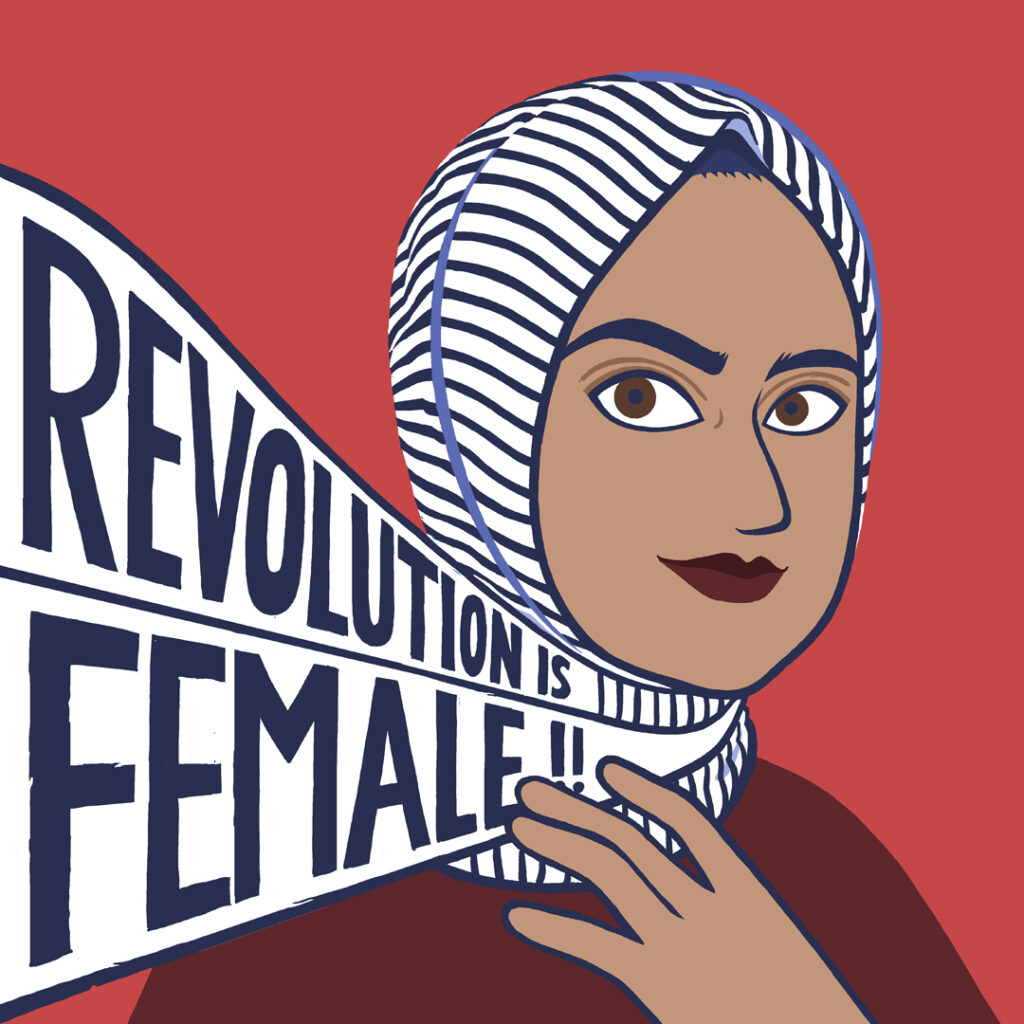
I took part in the Revolution from day one. Together with my comrades, we put up the first feminist tent in Tahrir Square,' says Zahra. "I came to the square as a citizen, a woman and a mother to claim my rights. Our tent gave a voice to those who had none and fought for all Iraqi women who demanded a life worthy of being called one.
Un Ponte Per has been present in Iraq for over 30 years. In our long journey alongside civil societies, we have dedicated much of our work to women, to fight gender-based violence together, to support their participation in public life, to support women activists in building networks that continue to fight to win their space and their right to self-determination. Together with them we produced, among other things, the booklet 'The Voice of the Revolution', which tells the story of the protesters who took to the streets in 2019-2020.
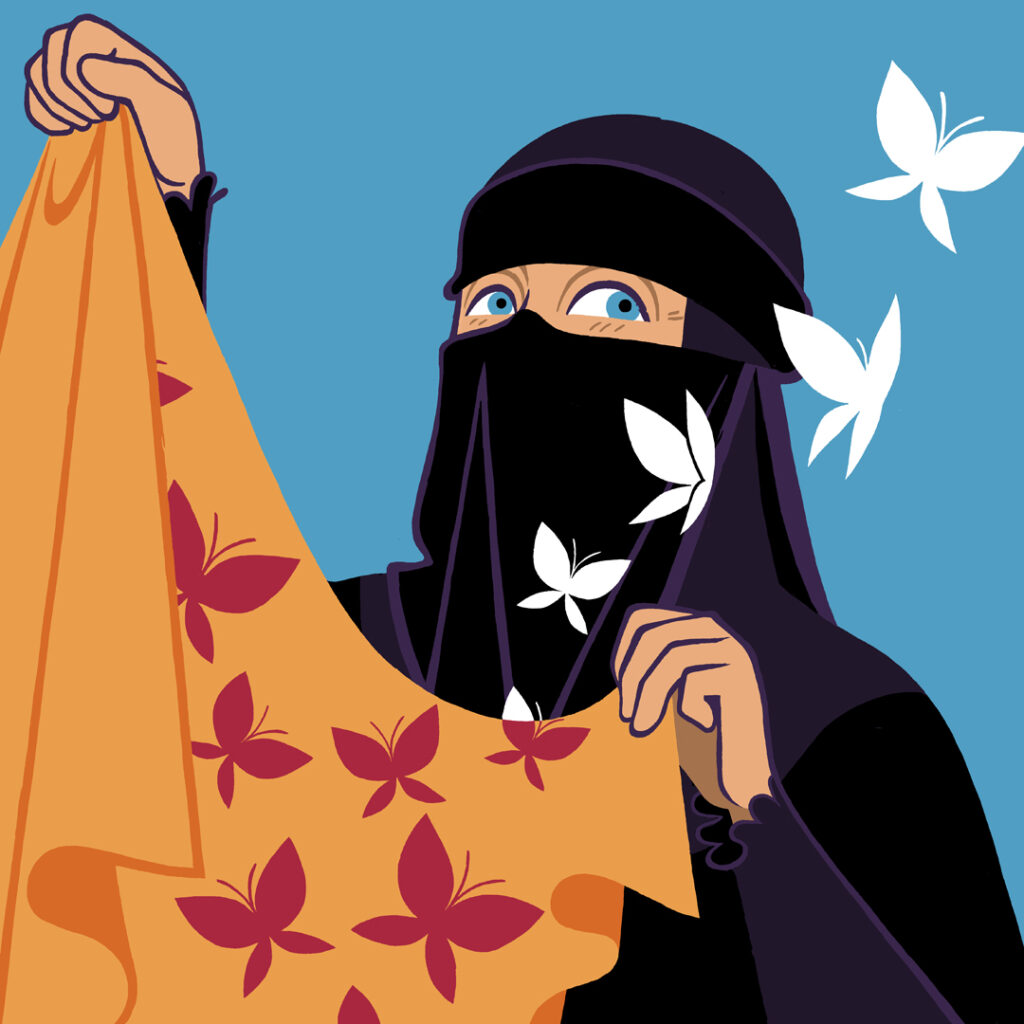
"I wanted my sons and daughters to continue their studies, and to have a better life than mine," Asmaa says. "The regulations imposed by Daesh during its occupation transformed and limited our lives. Now the situation is changing. Thanks to my shop, I am a completely new woman".
Un Ponte Per has been working in Syria since 2015. Over these years we have met so many women and worked with them in extensive protection programmes, to ensure safe spaces from gender-based violence, access to education, economic independence, medical care. We dedicated the first 'Free to Break' campaign to them in December 2023.
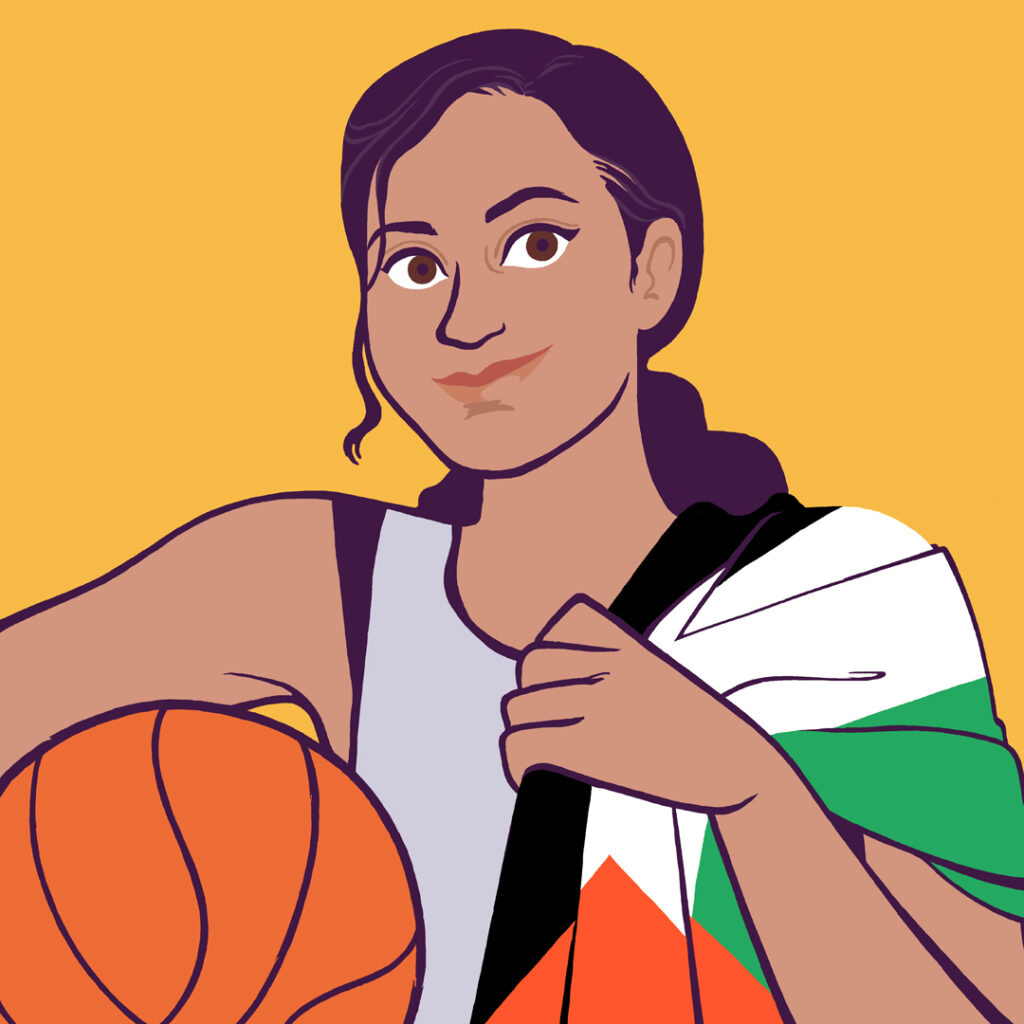
"With basketball my life changed, before I had nothing to do but go to school and then come home," says Ameena. "I never let go of the ball, even when I walk down the street. It makes me feel strong and safe."
Un Ponte Per has been present in Lebanon since 1997. We work mainly in the Palestinian refugee camps, guaranteeing the right to education and health to Palestinian and Syrian-Palestinian refugee children through distance support programmes. We support the Palestinian Youth Club, a group of 80 Palestinian athletes in the camp, and together we built the first sports centre in Shatila
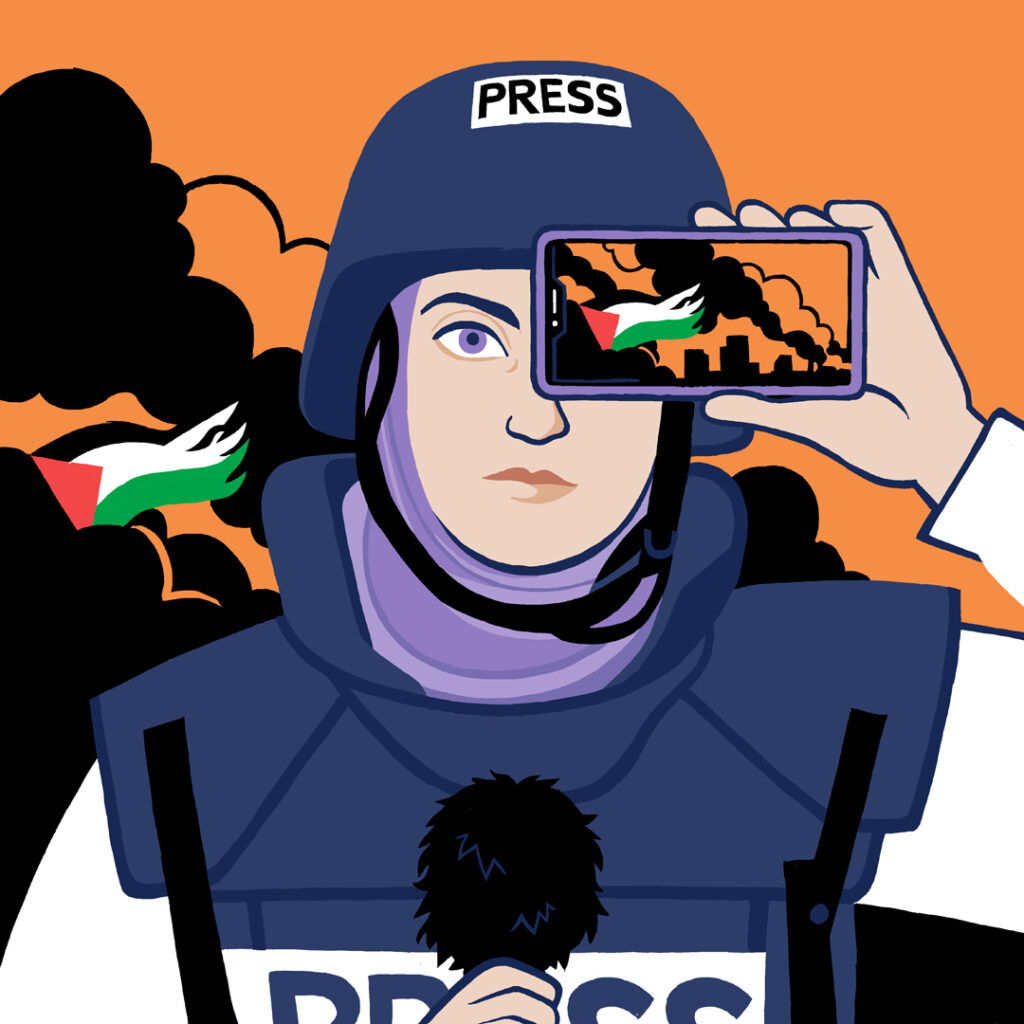
"Hello everyone. I am Bisan from Gaza. And I am still alive."
"Today my heart broke once again. My little girl asked me to show her the photos from when she was born. I realised they were all in our PCs, left under the rubble of our house. I won't be able to show her the photos. I will never see them again'.
"I know I should have left. But I couldn't leave my Gaza alone."
Un Ponte Per does not operate directly in Palestine. We did not agree to submit to control and blackmail by the Israeli authorities, and we have always believed that the Palestinian issue needed a political solution, as well as humanitarian intervention. We have been in Palestine for years as volunteers and activists. Following the unprecedented emergency created by the Israeli offensive against the Gaza Strip, we launched the 'Water for Gaza' campaign in February 2024, to support our local partner - the Union of Agricultural Work Committees (UAWC) - and bring clean water to the Gaza Strip.
THE STORY OF MARIAM
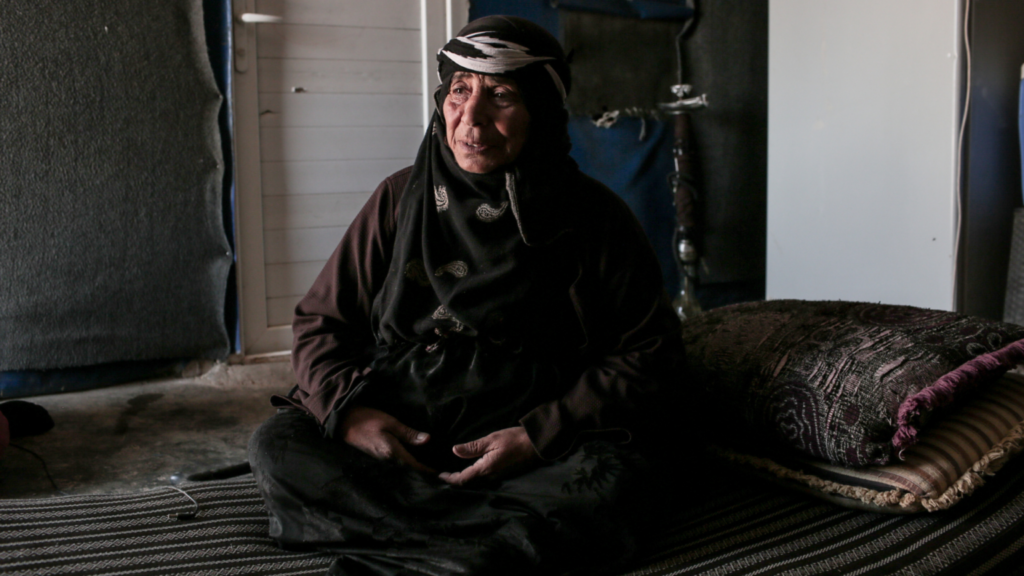
When Mariam invites us into her tent, we sit on large cushions lying on the floor, in front of us a battery-operated fan, necessary for the hours when there is no electricity.Mariam is 72 years old and for four years has been living in a tent in the Washokani camp, which was set up on the outskirts of the city of Hassake in October 2019 by the Autonomous Administration and Un Ponte Per together with the Kurdish Red Crescent.
Mariam moves from grimaces of pain and tiredness to infectious laughter. She amuses herself by saying that she lives alone not by choice but because 'it's common knowledge, daughters-in-law don't want to live with mothers-in-law'.
SURVIVE AND ADAPT
It was 4 p.m. on 9 October 2019 when Turkey launched the attack against the Kurdish people and the house of Mariam, striking the town of Serekanye with heavy bombardment. 300,000 people were forced to flee, leaving everything behind.
"We lacked nothing," says Mariam angrily. "We lived well and were happy. They looted our houses and burnt them down. We had to escape death." Today, 16,000 people live in the Washokani camp.
Here Un Ponte Per provides all primary health services: the Internal Medicine Clinic, the Paediatric Clinic, gynaecological care and pre- and post-natal care, the Emergency Clinic.
PROTECTING DIGNITY
"I have heart and kidney problems, I can't walk, I can hardly move," Mariam tells us. "Fortunately, in an emergency, the Un Ponte Per ambulance picks me up from my tent and takes me to the camp clinic. It has already happened several times, even at night". "And then the medicines. Outside the camp they cost money, I couldn't even afford a pill for a headache. My children don't work, our economic situation is very difficult".
Although elderly women are among the most vulnerable people in Syria, their needs are often invisible. They face the last years of their lives away from homes that have been destroyed, in tents in refugee camps, often alone and with health problems to deal with.
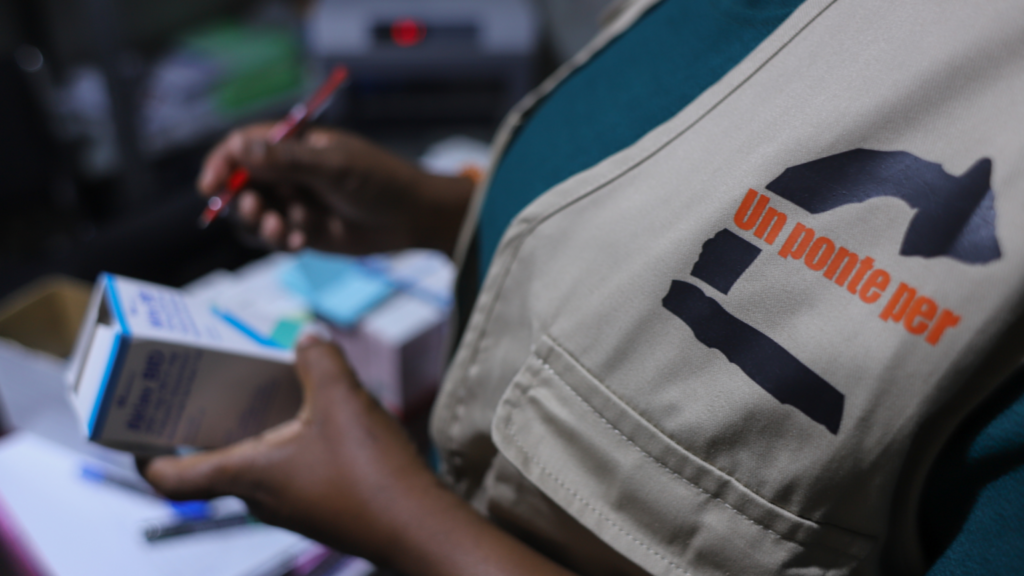
"I have heart and kidney problems, I cannot walk. Moving around is very difficult"
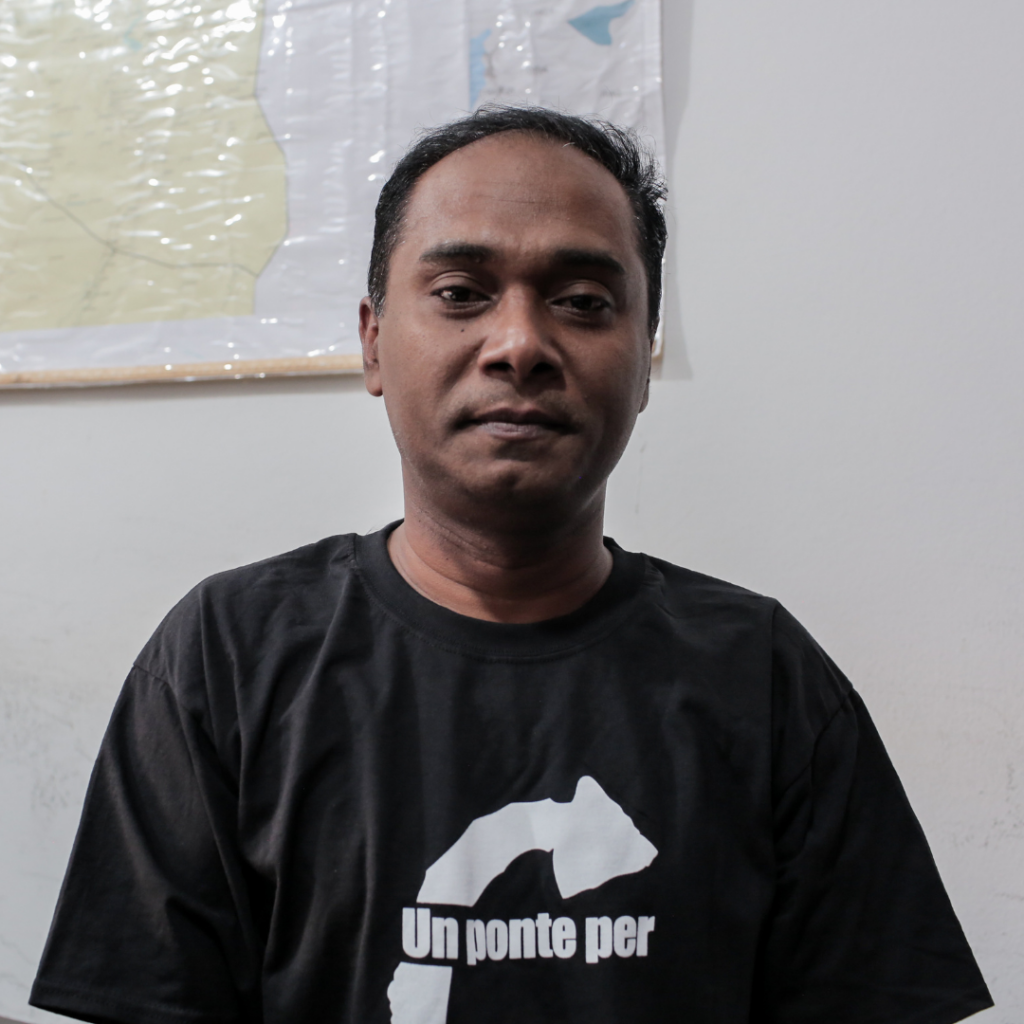
"I am Kamrul, Medical Advisor with Un Ponte Per in Washokani camp. Here we provide health services to displaced people, while Community Health Workers visit those with mobility problems, such as the elderly, directly in the tents. When necessary, we transfer them to health facilities in the camp or, in more serious cases, to the nearest hospitals".
Join our 'Free to Break' campaign. We need your help to break down the walls of stereotypes and oppression that discriminate against girls and women in North East Syria.
Ensure that isolation and restrictions on the movement of displaced women do not compromise their access to medical care.
THE THREE SISTERS FROM ALEPPO
Mariam, Bissan and Ghazal are three sisters born in Aleppo, the city infamous for its siege and atrocities against fleeing civilians. Six years ago they lost their 10-year-old brother in a bombing raid. Shortly afterwards, so did their mother. Mariam is the youngest, 8 years old and wants to be a paediatrician when she grows up. Bissan, 11, likes to sing. Ghazal is 13 years old, she is the shyest and likes to play football.
THE FLIGHT TO RAQQA
Mariam and Bissan were born during the Syrian war while Ghazal was only 1 year old when the conflict broke out.They fled Aleppo and took refuge in Raqqa where they now live with their father and adoptive mother Nada.
The war in Syria has taken a heavy toll on the mental health of children, who have faced bereavement and displacement. In Raqqa, Un Ponte Per has opened three Safe Spaces to provide protection and psychological wellbeing for children, girls and women.

RETURN TO SMILING
"They were shy and never wanted to spend time with other children," Nada tells us. "Two years ago their father and I took them to Un Ponte Per's Safe Space and in the last year we are seeing great progress. They interact more and have friends both here and at school."
Six years after the battle of Raqqa, the children are still growing up in the rubble. Sixty per cent of them do not go to school."It is difficult to raise a child here," Nada confides worriedly. "Even more difficult is raising a daughter."

"We love the activities that are done in the Safe Space. We can sing and even draw because they give us everything we need. And then here we can express our opinions."

"I am Lasu, Protection Specialist in Raqqa with Un Ponte Per. We work to ensure protection and rights for children exposed to violence, child labour, early marriage. We help them identify risks and provide them with the tools they need to report incidents of violence and abuse, which are especially prevalent among girls".
Join our 'Free to Break' campaign. We need your help to break down the walls of stereotypes and oppression that discriminate against girls and women in north-east Syria.
Help us bring smiles to girls in our Safe Spaces, treating trauma, combating violence and preventing child labour and early marriage.