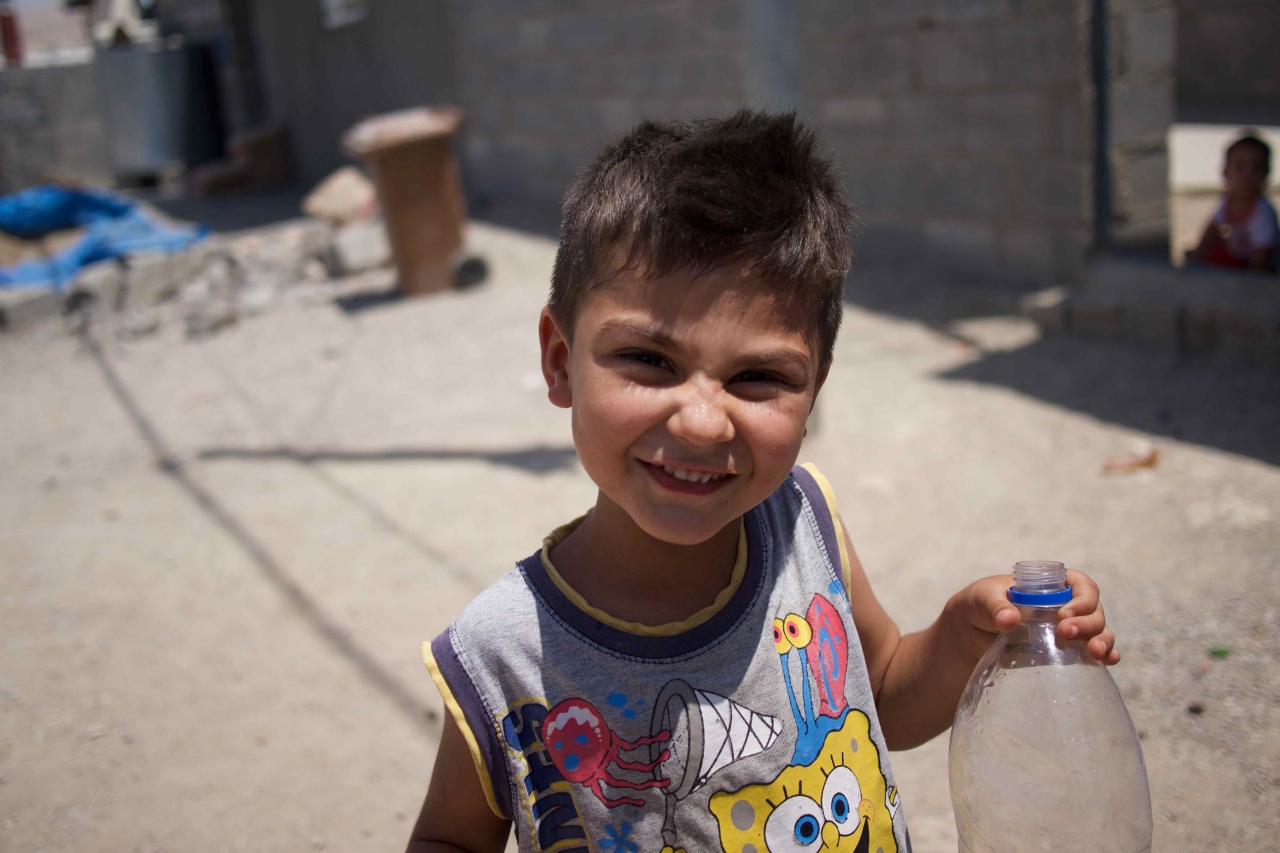
A year-long programme to provide psycho-social support to 10,800 Iraqi children kicked off. One year of work in 25 schools in Mosul and newly liberated areas. As the military operations to liberate the city of Mosul, stronghold of Daesh (Islamic State) in Iraq, come to an end, our intervention to provide psycho-social support to Iraqi children who have suffered the consequences of the war over the past three years begins.
"Ahlein" (Welcome) is the name of the programme that, thanks to Unicef's support, will see us engaged for the next 12 months in 25 Iraqi schools in the liberated areas of East Mosul, Tel Kaif and Bashiqa, as well as in the refugee camps where thousands of displaced Iraqi families have found refuge. Reaching more than 10,800 minors between the ages of 5 and 17 is the goal, through a programme that will provide them with psycho-social support to mitigate the traumas they have suffered, through play and recreational activities, resilience groups and targeted interventions, which also aim to train more than 200 teachers.
The long-term aim of the project is in fact to enable school staff to carry out the main psycho-social support activities necessary for minors in conflict zones, and to identify any cases requiring specific assistance. Specifically, the programme will focus on 10 primary and secondary schools in the city of Mosul (eastern area), and on another 15 school facilities in the liberated villages of the Tel Kaif and Bashiqa districts, where we were already operating before the 2014 emergency through the renovation and securing of school buildings. In addition to these, support will be provided in the camps and areas that received displaced families from the Mosul area, and in particular Bajed Kandala, Shariya, Shekhan, Mam Rashan, Essian and Nargazlia.
Psycho-social support through resilience groups and play-therapy activities is a field of intervention that we have been carrying out for some time now in the camps that have welcomed people displaced in the Erbil and Dohuk areas following the advance of Daesh into the country in 2014. We have been able to develop important partnerships with local government Mental Health Departments, which have led to the construction of common practices and the adoption of methodologies developed together, which have allowed us to accompany and support thousands of Iraqi childrenə and their families in recent years.
With this new project dedicated to Mosul and the liberated areas, more than 16,890 people will be reached, in a delicate phase for the country, in which it is essential to intervene. To mitigate the effects that younger people have suffered in recent years, so that as they grow up they do not develop trauma. And to begin together to look to the future of the country, starting with the resilience of the new generations.