In recent years, there has been a growing focus on the need to promote more balanced and sustainable models of tourism, capable of fostering a more harmonious distribution of visitor flows and opportunities between the best-known destinations and areas less frequented by traditional tourist circuits. From this perspective, tourism can contribute to the promotion of local distinctiveness, reconciling the appeal of destinations with development that takes into account the characteristics and needs of the areas and the communities that live there.
Tourism can, in particular, represent a significant opportunity for the most remote areas, helping to create economic and employment opportunities, promote local resources and strengthen communities’ livelihoods. In contexts characterised by limited employment opportunities, sustainable tourism that is deeply rooted in the local area can also promote the economic and social vitality of the areas concerned, creating conditions that make it more likely for people to remain in their home regions.
BEYOND THE CITADEL: THE POTENTIAL OF BAALBEK-HERMEL
This is the case of the Bekaa Valley in Lebanon, a flat, predominantly agricultural region, bordered to the west by the Mount Lebanon range and to the east by the Anti-Lebanon Mountains, which form the border with Syria. It is an area which, to date, is suffering from a severe socio-economic crisis resulting from years of turmoil, the ongoing deterioration of the security situation and increasing pressure on natural resources.
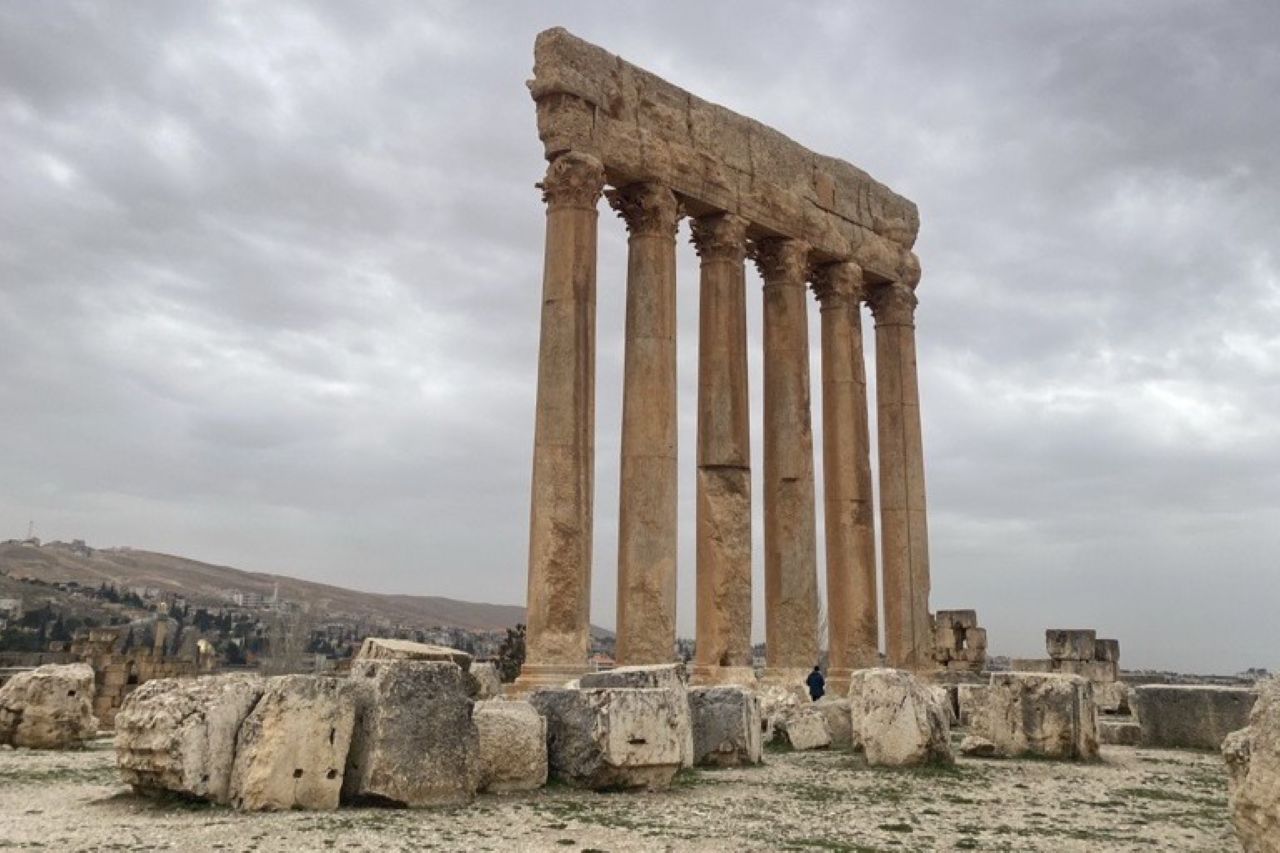
In terms of tourism, the region’s main attraction is the Roman Citadel of Baalbek, which is known throughout the world and attracts hundreds of thousands of visitors each year. In recent years, however, the tourism sector has suffered a significant decline following the Israeli bombings of 2024 and 2026, interspersed with a period of low-intensity conflict. Furthermore, tourism in the area remains largely confined to visits to the archaeological complex: in most cases, visitors stay in Baalbek for just one day, without staying overnight and without making significant stops at restaurants, shops or other local services. This dynamic limits the economic impact of tourism on the local socio-economic fabric and reduces development opportunities for local businesses.
This trend becomes even more apparent if one broadens one’s perspective from the city of Baalbek to the entire Baalbek-Hermel Governorate, which extends as far as the northern border with Syria, marked by the Orontes (Assi) River, and boasts a rich and diverse range of tourist attractions.
It is precisely in this area that we have devised and are implementing the Madafeh project – Integrated sustainable tourism, local development and job creation in Baalbek-Hermel, funded by Italy through the Italian Agency for Development Cooperation (AICS), and implemented in collaboration with ARCS, AITR and the Chamber of Commerce, Industry and Agriculture of Zahle and the Bekaa. The initiative aims to support the local economy through the tourism sector, via a multi-faceted approach centred on three main pillars: support for small businesses, support and training for the unemployed, and the promotion of the area’s tourism potential.
LISTENING TO THE LOCAL COMMUNITY AND DEVELOPING A SHARED STRATEGY
It was with a view to promoting the richness and diversity of this area that, during 2026, two visits were organised by the Italian partner AITR, accompanied by UPP and ARCS. During the two missions, which took place in February and October respectively, the team travelled to the Baalbek-Hermel area to explore its tourism potential alongside local communities. The visits provided an opportunity to discover places and resources that are often under-promoted: lesser-known archaeological and historical sites, such as the old railway station in Baalbek, which is no longer in use, the cuneiform inscriptions in the vicinity of Hermel, and various buildings of historical interest.
Alongside exploring the area, particular importance was attached to meeting the people who live there and bring it to life on a daily basis: local authorities, mayors, restaurant owners, religious figures, rafting operators, small family-run businesses producing preserves and other local specialities, as well as guesthouse owners and managers. These people shared their stories, experiences and perspectives, helping to paint a picture of the area’s resources, challenges and prospects.
The focus of the visits was the creation of a participatory map – that is, a process of identifying and classifying the area’s tourism potential, accompanied by a discussion of possible ways to develop it.
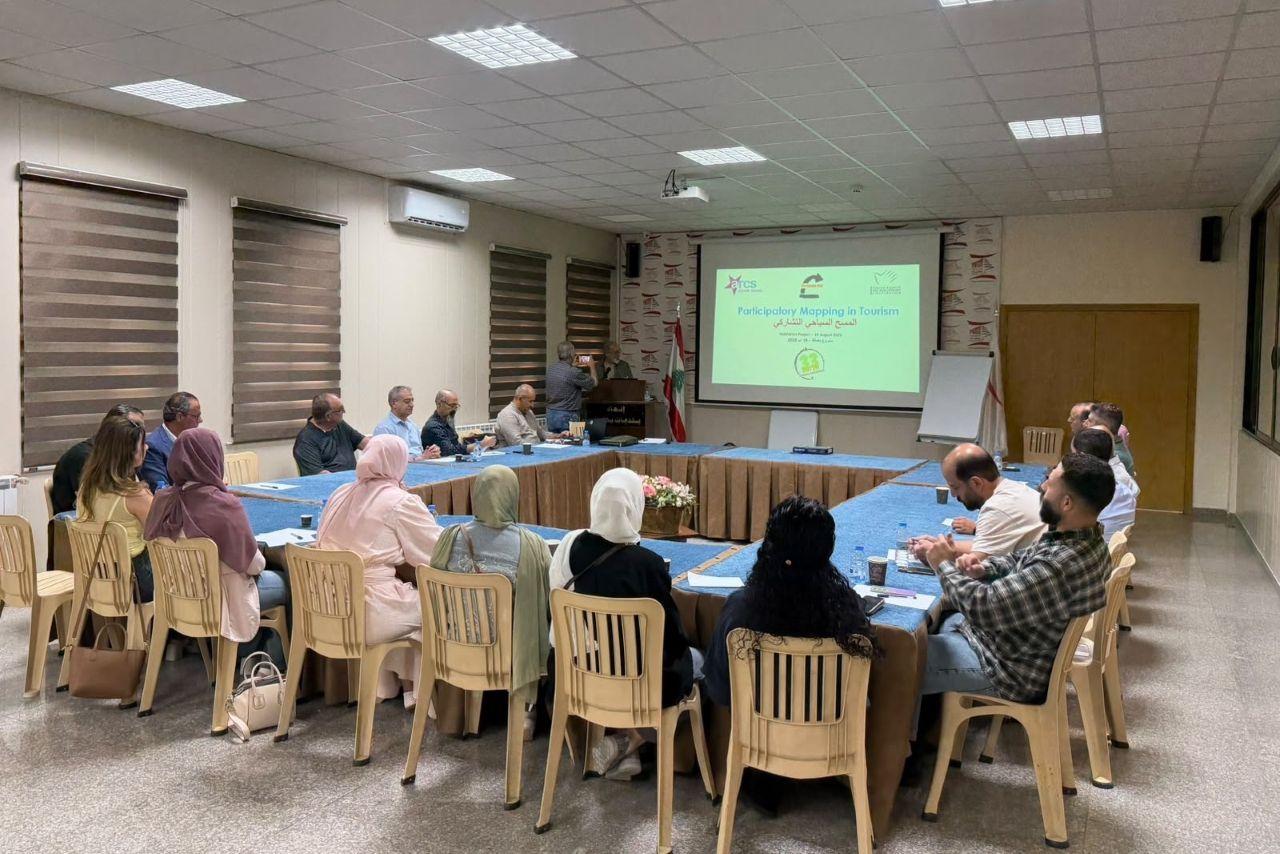
An itinerary designed from the perspective of the people who experience these areas on a daily basis, and developed through questions such as: “Which sites or areas are important to the local community? Which areas, on the other hand, would be of interest to an international tourist? What would encourage them to stay longer in the region? Are there any religious or cultural figures, or craftspeople, who would be willing to tell potential tourist groups about this area?”
The October visit also provided an opportunity to initiate a process of discussion and exchange with staff from the Municipal Unions of Baalbek and Hermel. The dialogue focused on the different types of tourism, the importance of managing it at a local level, and possible strategies to foster collaboration between public and private sector stakeholders. Indeed, without communication and coordination between local authorities and business owners – whether large or small – it is difficult to envisage managing the entire area and distributing opportunities in a broad and inclusive manner. Building a local network and a shared vision is therefore essential if tourism is to become a resource for local communities.
FROM MAPPING TO NEW OPPORTUNITIES: THE NEXT STEPS
Over the coming months, we will therefore be working on organising the information we have gathered and on developing two complementary tools. On the one hand, a digital map for tourists and a website dedicated to promoting the area; on the other, a resource for accommodation providers, guides and tour operators, which will bring together information on how to visit and access the various sites, along with the contact details of people willing to welcome visitors and guide them as they discover this area, which is rich in resources but still marginalised. The aim is to promote a tourist experience that stems directly from the people who live there, their knowledge and the communities that help keep the area alive every day.
At the same time, work will continue with the local authorities with a view to facilitating and promoting collaboration between the public and private sectors and, together with local stakeholders, identifying the steps needed to develop a tourism management model for the Baalbek-Hermel area.
Even in a context characterised by instability and uncertainty, it is important to continue looking to the future; therefore, turning this phase into an opportunity for reflection and planning can be a first step towards creating new opportunities for development for local communities.
Veronica Bonelli - Deputy project manager Un Ponte Per
In Lebanon, despite the announced ceasefire, the humanitarian consequences of the Israeli bombardments continue to take a heavy toll on the population: most of those forced to flee their homes during the months of bombardment and insecurity have returned to their home areas; however, for many families, this return does not mark the end of the emergency.
The situation remains particularly precarious, especially in southern Lebanon and the Bekaa Valley. Damaged homes, compromised infrastructure and difficulties in accessing essential services such as water, electricity and healthcare continue to hinder a stable recovery. Added to these challenges are restrictions on movement, the presence of explosive remnants of war and new Israeli air strikes in southern Lebanon, which continue to pose a risk to the population and to limit the possibility of safe and sustainable returns.
RETURNING WITHOUT BEING ABLE TO REALLY RETURN
It is estimated that around 360,000 people remain internally displaced. For many families, ‘returning’ therefore means moving closer to their town or village without yet being able to actually return to their own homes.
The situation is further complicated by the gradual reduction in the number of collective reception centres set up by the Lebanese government, many of which are housed in state schools. The affected communities therefore continue to need temporary accommodation and adequate support to enable them to remain close to their home areas in safety.
The words of Zaynab Ghazaleh, Project Coordinator at Un Ponte Per, convey the drama of those days:
"On 8 April, everything spiralled out of control so quickly. In the space of a few minutes, more than 100 air strikes targeted various areas of Lebanon. My family and I had already been displaced from our village when we heard the explosions again: nowhere is truly safe. The phones wouldn’t stop ringing. Everyone was trying to find out if their loved ones were still alive. Hundreds of people were killed, thousands injured. These aren’t just numbers: they are families, they are children, they are people who are simply trying to stay alive."
FROM LOCAL NEEDS TO ACTION
In response to the serious escalation of the conflict that has affected Lebanon since March 2026, Un Ponte Per launched the ‘Immediate Emergency Support for Displaced Population in Lebanon’ project as part of its emergency response; the project concluded in September 2026.
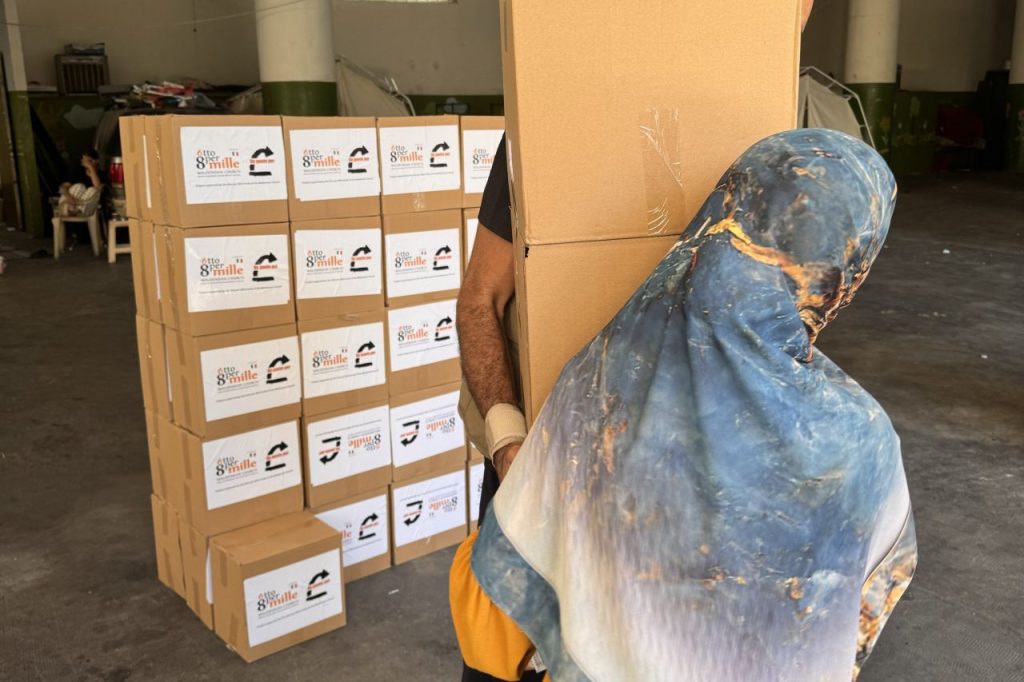
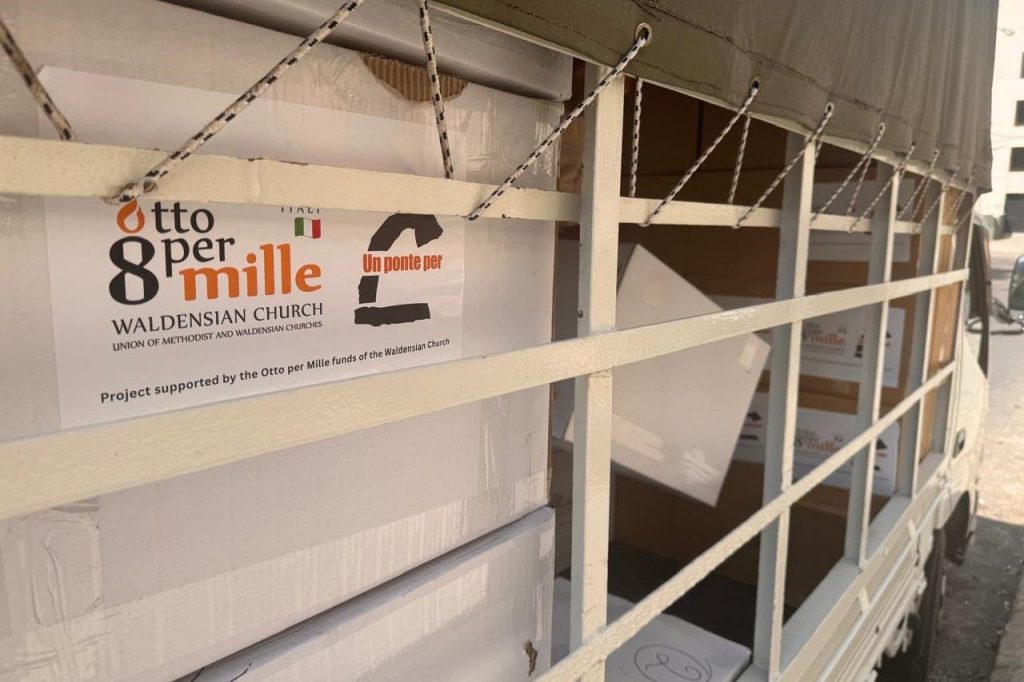
The valuable contribution from the Waldensian Church’s ‘Otto per Mille’ funds has made it possible to launch the project and strengthen support for displaced families housed in collective shelters, tailoring the response to the needs that emerged during the emergency. At the same time, the ongoing support of donors has helped to underpin the wider emergency response, complementing Un Ponte Per’s commitment to supporting the population affected by the conflict.
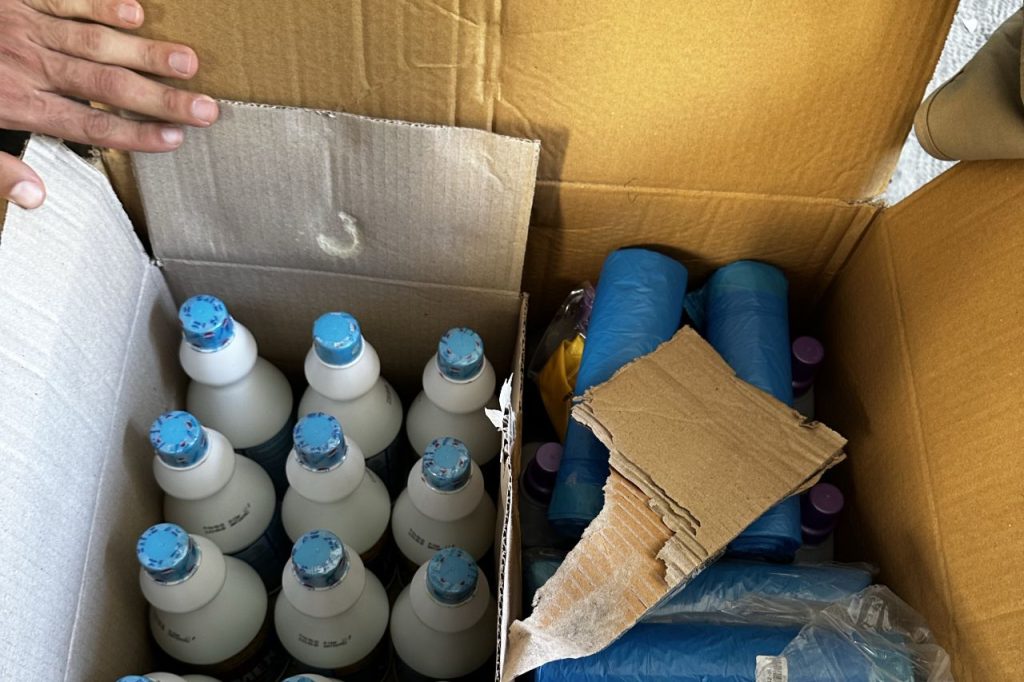
Among the project’s achievements, thanks to the efforts of our local staff who continued to work despite the dangerous conditions, we were able to reach around 2,000 people in the areas of Beirut, Sidon and northern Lebanon. The interventions included the distribution of 474 hygiene kits, comprising menstrual hygiene products (around 313 kits), as well as over 450 nappies for the care of children and the elderly. Alongside these distributions, 10 first-aid kits were supplied to reception centres to strengthen their capacity to respond to immediate healthcare needs, together with the distribution of 19 baby kits for children up to the age of 3.
Experiencing conflict, being forced to suddenly leave one’s home and spending prolonged periods in collective accommodation can have a significant impact on the well-being of children and adolescents. For this reason, the psychological and social consequences of displacement on younger people have been given particular attention within the project through the organisation of recreational activities incorporating elements of light psychosocial support, creating opportunities within the shelters for socialising, participation and sharing, where they can rediscover moments of normality and connection even amidst a situation of great instability.
In a country already scarred by years of economic, political and social crisis, the emergency caused by the latest escalation of the conflict has further worsened the living conditions of thousands of families. Continuing to work alongside local organisations and communities remains essential to developing responses that are grounded in people’s real needs and can adapt to a constantly changing situation.